Atmanirbhar Bharat
In a world dominated by globalization and interconnected economies, India’s concept of “Atmanirbhar Bharat,” or self-reliance, has gained significant attention. This article aims to explore the multifaceted dimensions of Atmanirbhar Bharat, shedding light on its historical context, economic significance, and the path forward.
In this comprehensive exploration of “Atmanirbhar Bharat,” we will delve into India’s remarkable journey towards self-reliance. This multifaceted concept has evolved over the years, shaping the nation’s economic and social landscape. We will begin by defining Atmanirbhar Bharat and examining its historical context.
A. Definition of Atmanirbhar Bharat

Atmanirbhar Bharat, often translated as “Self-Reliant India,” is a visionary concept that promotes self-sufficiency and self-reliance in various sectors of the Indian economy. It encourages the nation to reduce its dependence on foreign imports and strengthen its indigenous capabilities.
B. Historical Context
To truly understand Atmanirbhar Bharat, we must rewind the pages of history. India’s quest for self-reliance did not begin in recent times but has roots deep in its struggle for independence.
The Historical Roots of Atmanirbhar Bharat
Atmanirbhar Bharat, a term popularized by Prime Minister Narendra Modi, traces its origins to the swadeshi movement during India’s struggle for independence. This movement advocated for the use of locally-produced goods and boycotting foreign imports, emphasizing self-sufficiency as a means to reduce dependence on colonial powers.
Atmanirbhar Bharat in Modern Times
Economic Self-Reliance
In contemporary India, Atmanirbhar Bharat embodies the idea of economic self-reliance. The government has launched various initiatives to promote indigenous manufacturing, reducing the reliance on imports in sectors ranging from defense to electronics.
Digital Self-Reliance
The digital revolution plays a crucial role in Atmanirbhar Bharat. Initiatives such as “Digital India” and “Make in India” have spurred innovation and growth in the tech sector, making India less dependent on foreign technology.
The Economic Impact of Atmanirbhar Bharat

Job Creation
One of the significant benefits of self-reliance is job creation. By promoting domestic manufacturing and entrepreneurship, Atmanirbhar Bharat has the potential to generate millions of jobs, especially in rural areas.
Strengthening the Rupee
Reducing imports and promoting exports can help stabilize the Indian rupee. A stronger currency enhances India’s economic stability and reduces inflationary pressures.
Challenges on the Path to Self-Reliance
Infrastructure Development
To achieve self-reliance, India needs to invest heavily in infrastructure development. Improving roads, ports, and logistics networks is essential for efficient domestic production and distribution.
Skill Enhancement
Enhancing the skills of the workforce is another critical aspect. A skilled labor force can boost productivity and competitiveness in the global market.
The Role of Innovation
Innovation is the cornerstone of Atmanirbhar Bharat. Encouraging research and development across industries fosters indigenous technologies and solutions.
Conclusion
Atmanirbhar Bharat is not merely a slogan; it is a vision for a self-reliant and prosperous India. By focusing on economic self-sufficiency, digital empowerment, and innovation, India can reduce its dependence on foreign imports and become a global economic powerhouse.
II. Pre-Independence Era

A. Self-Reliance Movements
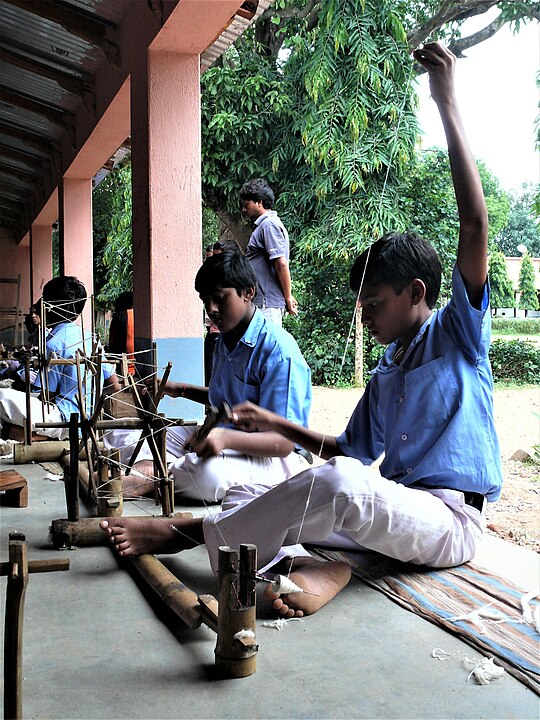
India’s journey towards self-reliance can be traced back to the pre-independence era when leaders like Mahatma Gandhi emphasized the importance of self-sufficiency through activities like hand-spinning and weaving. These movements laid the ideological foundation for future endeavors in this direction.
B. Economic Dependence Under British Rule
During British colonial rule, India was subjected to economic exploitation. This era witnessed a stark imbalance in trade, with India exporting raw materials and importing finished goods from Britain. This economic dependence became a driving force for India’s post-independence economic policies.
III. Post-Independence Economic Policies
Following independence in 1947, India embarked on a journey to define its economic identity. This period witnessed the implementation of various policies aimed at achieving self-reliance.
A. Import Substitution Industrialization
India’s leaders believed that to achieve self-reliance, the nation needed to establish its industries and reduce reliance on foreign imports. Import Substitution Industrialization (ISI) was born, focusing on the domestic production of goods that were previously imported.
B. License Raj and Its Implications
However, the ISI approach led to the emergence of the License Raj, a complex system of permits and regulations that stifled entrepreneurial spirit and economic growth. It became apparent that self-reliance needed a new direction.
C. Green Revolution: A Step Towards Self-Sufficiency
The Green Revolution in the 1960s was a turning point. It boosted agricultural productivity through the introduction of high-yield crop varieties and modern farming techniques, reducing India’s dependence on food imports.
IV. Economic Liberalization and Globalization
A. 1991 Reforms: Opening Up the Indian Economy
The year 1991 marked a significant shift in India’s economic policies. The government introduced liberalization measures that opened up the Indian economy to foreign investments and reduced trade barriers.
B. Impact on Various Sectors
This period of economic liberalization had varying impacts on different sectors, fostering growth in some and posing challenges in others.
C. Challenges and Criticisms
Despite its successes, economic liberalization also faced criticism for increasing income inequality and neglecting certain marginalized sections of society.
V. Atmanirbhar Bharat Abhiyan: Concept and Objectives
A. Prime Minister’s Vision
The Atmanirbhar Bharat Abhiyan, launched by Prime Minister Narendra Modi in 2020, rekindled the nation’s quest for self-reliance. It envisions a self-sufficient and resilient India.
B. Key Objectives
The program outlines key objectives, including boosting domestic manufacturing, promoting innovation, and reducing dependency on imports.
VI. Key Pillars of Atmanirbhar Bharat

A. Infrastructure Development
Investments in infrastructure are critical to realizing self-reliance. Projects like ‘Make in India’ aim to bolster industrial capabilities.
B. Technology and Innovation
Harnessing technology and fostering innovation are essential for staying competitive on a global scale.
C. Promoting Domestic Manufacturing
The campaign emphasizes the importance of domestic manufacturing, encouraging industries to produce locally.
D. Economic Reforms
Continuous economic reforms are essential to creating an environment conducive to self-reliance.
E. Strengthening Agriculture and Rural Economy
Supporting the agricultural sector is vital, as it sustains a significant portion of the population.
VII. Government Initiatives and Schemes

A. Make in India
The ‘Make in India’ initiative invites foreign companies to invest in India and boost local manufacturing.
B. Digital India
The ‘Digital India’ campaign seeks to make India a digitally empowered society and knowledge economy.
C. Startup India
Fostering entrepreneurship and startups is a cornerstone of the Atmanirbhar Bharat vision.
D. Atmanirbhar Bharat Package
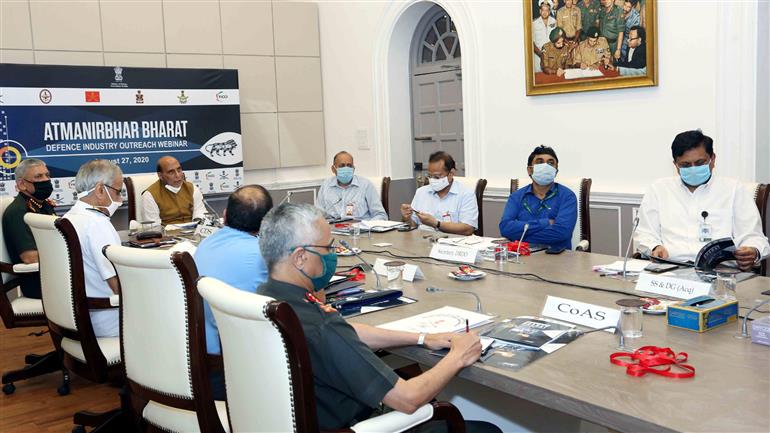
In response to the COVID-19 pandemic, the government announced a comprehensive economic package as part of the Atmanirbhar Bharat Abhiyan.
VIII. Atmanirbhar Bharat in Practice
A. Success Stories
There are numerous success stories where businesses have thrived under the Atmanirbhar Bharat initiative.
B. Impact on Various Sectors
The campaign has had a profound impact on various sectors, revitalizing some and presenting challenges to others.
C. Challenges Faced
No transformative journey is without its hurdles, and Atmanirbhar Bharat is no exception.
IX. Global Perspective and Collaborations
A. India’s Role in International Trade
India’s self-reliance journey also has global implications, influencing international trade dynamics.
B. Bilateral Agreements
The nation has engaged in bilateral agreements to strengthen its economic position.
C. Foreign Direct Investment (FDI)
Foreign Direct Investment plays a significant role in India’s economic development.
X. self-reliance in a Post-COVID World
A. Response to the Pandemic
The COVID-19 pandemic posed unprecedented challenges, but India’s resilience was showcased through its response.
B. Building Resilience
Atmanirbhar Bharat has evolved to encompass pandemic preparedness and resilience.
XI. Measuring Success
A. Economic Indicators
Measuring the success of Atmanirbhar Bharat involves evaluating various economic indicators.
B. Social and Environmental Impact
The initiative’s impact extends beyond the economic realm, affecting society and the environment.
XII. Criticisms and Controversies
A. Critiques from Opposition
Atmanirbhar Bharat has faced criticism from various quarters, including the opposition.
B. Environmental Concerns
There are concerns about the environmental impact of certain policies under the initiative.
C. Socioeconomic Challenges
Socioeconomic challenges have emerged as India strives for self-reliance.
XIII. The Future of self-reliance
A. Sustainability and Long-Term Goals
Ensuring the sustainability of self-reliance initiatives and setting long-term goals are paramount.
B. Prospects
The future holds promising prospects for Atmanirbhar Bharat.
XIV. Case Studies
A. Examining Successful self-relianceInitiatives
Exploring case studies of successful self-reliance initiatives provides valuable insights.
B. Lessons Learned
Understanding lessons learned from the journey to self-reliance is crucial for future progress.
XV. Conclusion
In conclusion, Atmanirbhar Bharat represents India’s unwavering commitment to self-reliance. It has a rich historical context, ambitious objectives, and a significant impact on various sectors. As India continues its journey, the significance of Atmanirbhar Bharat cannot be overstated.
आत्मनिर्भर भारत की शुरुआत कब हुई थी?
आत्मनिर्भर भारत का मतलब क्या होता है?
आत्मनिर्भर भारत भारत का क्या फायदा है?
आत्मनिर्भर भारत पर निबंध कैसे लिखें?

आत्मनिर्भर भारत की शुरुआत 2020 में हुई थी. आत्मनिर्भर भारत का मतलब है कि भारत को अपनी जरूरत की चीजें खुद बनाना और दूसरे देशों पर निर्भरता कम करना. आत्मनिर्भर भारत के कई फायदे हैं, जैसे कि देश की अर्थव्यवस्था मजबूत होगी, रोजगार के अवसर बढ़ेंगे, और देश की सुरक्षा मजबूत होगी. आत्मनिर्भर भारत पर निबंध लिखने के लिए, आप निम्नलिखित बिंदुओं पर ध्यान दे सकते हैं:
- आत्मनिर्भर भारत का महत्व
- आत्मनिर्भर भारत के लिए सरकार द्वारा उठाए गए कदम
- आत्मनिर्भर भारत के लिए लोगों की भूमिका
- आत्मनिर्भर भारत के भविष्य
आत्म निर्भरता का मुख्य उद्देश्य था कि भारत को एक शक्तिशाली देश बनाया जाए, जो अपनी जरूरत की चीजें खुद बना सके और दूसरे देशों पर निर्भर न हो. भारत आत्मनिर्भर हो सकता है, लेकिन इसके लिए सभी को मिलकर काम करना होगा. सरकार को आत्मनिर्भरता के लिए कदम उठाने होंगे और लोगों को भी देश के निर्माण में अपना योगदान देना होगा.
आत्मनिर्भर भारत के लिए कुछ महत्वपूर्ण कदम हैं:
- देश में उद्योगों को बढ़ावा देना
- किसानों को आत्मनिर्भर बनाना
- शिक्षा और स्वास्थ्य के क्षेत्र में सुधार करना
- बुनियादी ढांचे का विकास करना
- प्रौद्योगिकी को बढ़ावा देना
- देश की सुरक्षा को मजबूत करना
आत्मनिर्भर भारत के लिए लोगों की भी भूमिका महत्वपूर्ण है. लोगों को देश के निर्माण में अपना योगदान देना चाहिए. वे स्वदेशी उत्पादों का उपयोग कर सकते हैं, सरकार के कार्यक्रमों में हिस्सा ले सकते हैं, और देश के बारे में जागरूकता फैला सकते हैं.
आत्मनिर्भर भारत एक सपना है, लेकिन यह एक सपना है जो पूरा किया जा सकता है. अगर हम सब मिलकर काम करें तो भारत एक आत्मनिर्भर देश बन सकता है.
- मेक इन इंडिया पहल
- स्वदेशी उत्पादों को बढ़ावा देना
- किसानों को आत्मनिर्भर बनाना
- शिक्षा और स्वास्थ्य के क्षेत्र में सुधार करना
- बुनियादी ढांचे का विकास करना
- प्रौद्योगिकी को बढ़ावा देना
- देश की सुरक्षा को मजबूत करना
आत्मनिर्भर भारत के लिए लोगों की भूमिका
आत्मनिर्भर भारत के लिए लोगों की भी भूमिका महत्वपूर्ण है. लोगों को देश के निर्माण में अपना योगदान देना चाहिए. वे स्वदेशी उत्पादों का उपयोग कर सकते हैं, सरकार के कार्यक्रमों में हिस्सा ले सकते हैं, और देश के बारे में जागरूकता फैला सकते हैं.
आत्मनिर्भर भारत का भविष्य
आत्मनिर्भर भारत का भविष्य उज्ज्वल है. अगर हम सब मिलकर काम करें तो भारत एक आत्मनिर्भर देश बन सकता है. आत्मनिर्भर भारत से देश को कई लाभ होंगे, जैसे कि:
- मजबूत अर्थव्यवस्था
- बढ़ती हुई रोजगार
- मजबूत सुरक्षा
- बढ़ती हुई आत्मविश्वास
- बढ़ता हुआ वैश्विक सम्मान
आत्मनिर्भर भारत एक सपना है, लेकिन यह एक सपना है जो पूरा किया जा सकता है. अगर हम सब मिलकर काम करें तो भारत एक आत्मनिर्भर देश बन सकता है.
आत्म निर्भर भारत योजना का स्तंभ क्या है?
भारत आत्मनिर्भर कैसे बना?
आत्मनिर्भर भारत अभियान के कितने स्तंभ है?
आत्मनिर्भर भारत के कितने स्तंभ हैं?
आत्मनिर्भर भारत अभियान के 5 स्तंभ हैं:
- आत्मनिर्भर कृषि
- आत्मनिर्भर उद्योग
- आत्मनिर्भर ऊर्जा
- आत्मनिर्भर बुनियादी ढांचा
- आत्मनिर्भर डिजिटल भारत
आत्मनिर्भर भारत अभियान के तहत सरकार द्वारा कई कदम उठाए जा रहे हैं, जैसे कि:
- किसानों को अनुदान देना
- किसानों को नई तकनीक उपलब्ध कराना
- उद्योगों को प्रोत्साहन देना
- ऊर्जा के नवीन स्रोतों को विकसित करना
- बुनियादी ढांचे का विकास करना
- डिजिटल भारत को बढ़ावा देना
आत्मनिर्भर भारत अभियान के तहत सरकार द्वारा उठाए जा रहे इन कदमों से भारत एक आत्मनिर्भर देश बनने की राह पर है.
XVI. Frequently Asked Questions (FAQs)
A. What is Atmanirbhar Bharat?
It is a concept promoting self-reliance and self-sufficiency in India’s economic and social sectors.
B. How does it differ from earlier economic policies?
It differs by emphasizing domestic production, reducing import dependence, and fostering innovation.
C. What are the main pillars of Atmanirbhar Bharat?
The main pillars include infrastructure development, technology, domestic manufacturing, economic reforms, and agriculture.
D. What government initiatives support this vision?
Initiatives like ‘Make in India,’ ‘Digital India,’ and ‘Startup India’ support the Atmanirbhar Bharat vision.
E. Has It been successful?
It has seen successes but also faced challenges in its implementation.
F. What challenges does it face?
Challenges include policy implementation, environmental concerns, and socioeconomic disparities.
G. What is the role of it in India’s global relations?
It impacts India’s global trade dynamics and collaborations.
H. How does it relate to the COVID-19 pandemic?
It evolved to address pandemic preparedness and resilience.
I. What are the future prospects of this initiative?
The future holds promising prospects for Atmanirbhar Bharat as it continues to evolve and adapt to changing global dynamics.
Leave a Reply