• Skip to primary navigation
  • Skip to main content
  • Skip to footer

OHMSITE

News Blogs

  • Home
  • Tech Blogs
  • Non-Tech Blogs
  • Finance
  • About us
    • Privacy Policy
    • Contact us
    • Terms & Conditions
    • Disclaimer
      • Login
        • login page

Sci. & Tech.

Beyond the Plug: The High-Tech Revolution Supercharging Our EV Future

October 16, 2025 By kundan Leave a Comment

Beyond the Plug: The High-Tech Revolution Supercharging Our EV Future

EV Future
EV Future

The electric vehicle revolution is accelerating, but it’s no longer just about the cars. The real action is happening off the road—at the charging station. For the EV transition to succeed, the infrastructure must be smarter, faster, and more resilient than ever before.

If you’ve ever wondered how a car can gain hundreds of miles of range in the time it takes for a coffee break, or how our power grid can handle a million+ new “appliances” all drawing immense power, you’re asking the right questions. Let’s dive into the key trends and technologies shaping the future of EV charging.

Trend 1: The Need for Speed – How DC Fast Chargers Actually Work

We’ve all seen the labels: Level 1, Level 2, and DC Fast Charging (DCFC). The first two use alternating current (AC), which is what your home and the grid provide. Your car has an onboard charger that converts this AC power into the direct current (DC) needed to charge the battery. This component is size-limited, which is why AC charging is relatively slow.

DC Fast Chargers are different. They are, in essence, an external, super-powered charger.

Here’s the technical magic in a nutshell:

  1. The Bypass: A DCFC station takes AC power directly from the grid (often a powerful 480V connection).

  2. The Conversion: Inside the charging station itself, a massive rectifier converts the grid’s AC power into DC power.

  3. The Direct Link: This now-converted DC power bypasses the car’s smaller onboard charger and flows directly to the vehicle’s battery pack.

By moving the heavy lifting of AC-to-DC conversion outside the vehicle, fast chargers can deliver immense power—currently up to 350 kW and even higher in development. This is like using a fire hose instead of a garden hose to fill a pool. The communication between the car and the charger (via the CCS, NACS, or CHAdeMO plug) is constant, with the car’s Battery Management System (BMS) telling the charger exactly what voltage and current it can safely accept at any given moment.

Trend 2: The Grid’s Growing Pains – Challenges in Grid Integration

As fast-charging networks expand, they present a monumental challenge for our century-old electrical grid. It wasn’t built for the concentrated, high-demand load of a fleet of 350kW chargers.

The primary challenges are:

  • Peak Demand Spikes: A single charging station with multiple stalls can draw as much power as a small town or a large office building. If several cars plug in simultaneously, it creates a massive, sudden spike in demand that can overwhelm local transformers and substations.

  • Infrastructure Costs: Upgrading grid infrastructure—transformers, wires, substations—to handle this new load is incredibly expensive and time-consuming.

  • Locational Strain: Placing multiple high-power charging stations in a single area (like a highway service plaza) creates a “hot spot” on the grid that is difficult and costly to service.

Without smart management, the very solution that enables long-distance EV travel could become a source of grid instability and blackouts.

Trend 3: The Intelligence Influx – Smart Charging for EV Fleets

EV Future
EV Future

This is where technology provides the answer to the challenges it created. Smart Charging is the critical brain that will manage the brawn of fast charging, especially for commercial and public fleets.

Smart charging uses software and connectivity to optimize when and how EVs charge. For fleets—think delivery vans, buses, or taxis—this isn’t a luxury; it’s a necessity for operational and financial efficiency.

Key features of smart fleet charging include:

  • Load Management: The system dynamically distributes available power among all charging vehicles. If the total power demand threatens to exceed a site’s capacity, it will intelligently throttle charging speeds to stay within limits, avoiding costly grid upgrade fees.

  • Scheduled Departure Charging: Fleet managers can set a “must-depart-by” time for their vehicles. The software then charges the vehicles to the required level at the lowest possible cost, often by waiting for off-peak electricity rates.

  • Vehicle-to-Grid (V2G): This is the holy grail. Bi-directional chargers allow fleet EVs to not only draw power from the grid but also push excess energy from their batteries back into the grid during times of high demand. A fleet of electric school buses could act as a massive, distributed battery storage system, earning revenue for the school district while stabilizing the grid.

The Road Ahead: An Integrated Ecosystem

The future of EV charging isn’t just about faster plugs. It’s about building an intelligent, integrated ecosystem where:

  • Ultra-Fast Chargers alleviate range anxiety.

  • A Resilient Grid, reinforced with battery storage and renewable energy, provides the foundation.

  • Smart Software seamlessly orchestrates the entire process, balancing the needs of drivers, fleet operators, and utility companies.

The companies and communities that master this trifecta won’t just be building charging stations—they’ll be building the resilient, clean energy infrastructure of the 21st century.


Quick snapshot: trends & key facts

  • Global public charging capacity exploded recently: 1.3+ million public charging points were added in 2024 — a >30% increase in one year. Two-thirds of growth since 2020 happened in China. IEA

  • Fast chargers (DCFC) routinely enable 0→80% in roughly 20–60 minutes depending on charger and vehicle capability — ultra-fast megawatt-class chargers (MCS) are emerging for heavy-duty fleets. transportation.gov+1

  • Market growth is strong: India’s charging-infra market and many national markets are forecast to grow at double-digit CAGRs through the decade, with fast-chargers the fastest-growing revenue segment. Grand View Research+1

  • Smart charging, energy management and V2G (vehicle-to-grid) are moving from pilots to early deployments — national roadmaps emphasize these as ways to manage grid stress and defer upgrades. The Department of Energy’s Energy.gov+1


How fast chargers work — technical but readable

EV Future

High-level difference: AC vs DC charging

  • Level 1/2 (AC): Charger supplies AC; on-board vehicle charger (AC→DC converter) produces DC to store in the battery. Slower, simpler.

  • DC Fast Charging (DCFC): Charger contains powerful AC→DC conversion and delivers DC directly to the vehicle battery, bypassing the on-board AC charger — much higher power and faster charge. advancedenergy.org+1

Main building blocks of a DC fast charger

  1. Grid connection & transformer — steps distribution voltage to the charger’s internal bus.

  2. Front-end power electronics (AC→DC rectifier + power factor correction) — convert grid AC to DC, keep power-factor high and harmonics low.

  3. DC bus & energy buffering — large DC link capacitors (and sometimes batteries/supercaps) to smooth power delivery and handle transient loads.

  4. DC–DC converter / power stage — controls voltage and current sent to vehicle; handles wide voltage ranges (e.g., 200–1000 V).

  5. Communications & control — CCS/CHAdeMO protocols, ISO 15118 (Plug & Charge, smart charging), and OCPP (charger ↔ operator backend).

  6. Cooling & thermal systems — at high power (≥150–350 kW), liquid cooling for cables/connector and power electronics is common. advancedenergy.org+1

Charging strategy inside the charger + battery behavior

  • Batteries follow CC-CV (constant-current, constant-voltage). Early in a session the charger supplies high constant current; as battery voltage nears target, current tapers off to maintain voltage — which is why 0→80% is fast but 80→100% is slow. Charger control algorithms manage current, temperature and state-of-charge limits to protect battery life. advancedenergy.org

Voltage platforms (400 V vs 800 V and beyond)

  • Higher pack voltage (e.g., 800 V) allows same power at lower current → smaller conductors, less I²R loss, faster charging with lower thermal stress — but demands compatible power electronics and charging infrastructure. 800 V systems enable higher peak power (400 kW+ in production cars and prototypes). DriveElectric+1

Emerging tech

  • Megawatt Charging System (MCS) for heavy trucks, bidirectional DC charging for V2G and V2X, and wireless/automated conductive charging in trials. Autoweek


Challenges in grid integration for EV charging stations

  1. High instantaneous power & local peaks
    DC fast chargers draw very large power bursts (hundreds of kW per stall). Without coordination, clusters of chargers can create local overloads and voltage issues, requiring expensive distribution upgrades. MDPI

  2. Diversity & unpredictability of charging events
    Public charging patterns (time, duration, power) are less predictable than residential loads, complicating planning. MDPI

  3. Grid-code, protection & safety coordination
    Fast, bi-directional power flows (with V2G) require updated protection settings, communications and cybersecurity hardening. The Department of Energy’s Energy.gov

  4. Cost of infrastructure upgrades
    Transformers, secondary substations, and cabling upgrades for megawatt clusters are capital heavy; locating chargers where grid capacity exists avoids costs but can reduce convenience. The Department of Energy’s Energy.gov

  5. Standards & interoperability gaps
    Varying protocols, payment systems and hardware choices slow roll-out and increase integration complexity. ISO 15118 and OCPP adoption helps but roll-out uneven. advancedenergy.org

Mitigation & solutions

  • Smart charging & load management (dynamic power allocation, reservation-based scheduling).

  • On-site energy buffering: batteries or supercapacitors smooth grid draw and enable peak shaving.

  • Demand response & time-of-use tariffs: incent off-peak charging.

  • Strategic siting: colocate with grid assets or renewable generation.

  • Standards adoption: ISO 15118, OCPP, CCS for interoperability. The Department of Energy’s Energy.gov+1


Smart charging for EV fleets — why fleets are different (and ideal) for smart solutions

Why fleets benefit most

  • Predictable routes and schedules → charge timing can be optimized.

  • Centralized maintenance and telematics → easier rollout of software-managed charging.

  • Fleet operators face strong TCO incentives (energy cost, battery life, uptime).

Smart charging strategies

  • Time-shifting: schedule charging to off-peak/low-tariff windows.

  • Power capping & prioritization: allocate limited depot power intelligently across vehicles.

  • State-of-charge (SoC)-aware & battery-health-aware charging: reduce peak currents to extend battery life.

  • Vehicle-to-fleet (V2F) or V2G: use parked EVs as short-term energy buffers for depot operations or grid services.

  • Integration with telematics: use route and battery data to schedule opportunistic charging and reduce range anxiety. rosap.ntl.bts.gov+1

Case evidence
Transit and delivery operators are already piloting smart-charging fleets that reduce energy costs and avoid costly grid upgrades — smart charging can reduce peak depot load enough to defer transformer upgrades. rosap.ntl.bts.gov+1


Future outlook — 5 things to watch (2025–2035)

  1. Mega-charging corridors & MCS for trucks: megawatt charging for freight and buses will scale from pilots to highways and depots. Autoweek

  2. Wider adoption of 800 V+ vehicle platforms: more EVs will support ultra-fast charging and reduce charging time further. DriveElectric

  3. Smart chargers + on-site storage standard: bundling chargers with batteries or DER will become common to manage peak demand economically. The Department of Energy’s Energy.gov

  4. V2G commercialization: from pilots to regulated ancillary service participation in some markets — requires standards & business models. The Department of Energy’s Energy.gov

  5. Policy & market push: governments will accelerate public charging rollout and encourage interoperability; in some regions regulators will require smart charging capabilities for new public chargers. IEA+1


Fast facts (bite-size)

  • 0→80% DC fast charging: ~20–60 minutes (vehicle & charger dependent). transportation.gov

  • 2024 saw an addition of ~1.3 million public chargers globally (a >30% year-on-year rise). IEA

  • Fast chargers are the highest revenue segment in many national markets (e.g., India 2024 data). Grand View Research


10 MCQs (with answers) — test yourself or use in training

  1. Q: What component in a DC fast charger converts AC from the grid to DC for the vehicle?
    A) On-board vehicle charger
    B) Rectifier / front-end power electronics ✅
    C) Battery management system
    D) Thermal management unit

  2. Q: Which protocol supports “Plug & Charge” (automated authentication/charging) and smart charging features?
    A) OCPP
    B) ISO 15118 ✅
    C) CHAdeMO
    D) IEC 61851

  3. Q: Why does an 800 V vehicle charge faster than an equivalent 400 V vehicle for the same charger power?
    A) Because the battery has higher capacity
    B) Because current is lower for same power → lower I²R losses and smaller conductors ✅
    C) Because 800 V vehicles use AC charging only
    D) It doesn’t — voltage doesn’t affect charging speed

  4. Q: The common charging strategy batteries follow is called:
    A) PWM–PFC
    B) CV–CC
    C) CC–CV ✅
    D) V2G

  5. Q: Which is a proven mitigation for grid overload caused by clusters of fast chargers?
    A) Installing only Level 1 chargers
    B) On-site energy storage & smart-power managers ✅
    C) Removing CCS support
    D) Increasing battery capacity of all EVs

  6. Q: V2G stands for:
    A) Vehicle-to-grid ✅
    B) Voltage-to-grid
    C) Vehicle-to-generator
    D) Variable-to-grid

  7. Q: Which communications standard is commonly used between a charger and the operator backend?
    A) ISO 15118
    B) OCPP ✅
    C) CAN bus
    D) Modbus

  8. Q: DC fast charging supplies which type of electricity to the vehicle?
    A) High-voltage AC
    B) Low-voltage AC
    C) Direct current (DC) ✅
    D) Alternating current (AC) with embedded DC

  9. Q: Main benefits of smart charging for fleets include:
    A) Reduced energy costs, deferred grid upgrades, increased uptime ✅
    B) Longer charging times always
    C) Elimination of scheduled maintenance
    D) Increased transformer costs

  10. Q: Megawatt Charging System (MCS) targets which vehicle category primarily?
    A) Motorbikes
    B) Passenger sedans
    C) Heavy-duty trucks & buses ✅
    D) Scooters

(Answers: 1B, 2B, 3B, 4C, 5B, 6A, 7B, 8C, 9A, 10C)


Practical takeaways — what decision-makers should do now

  • Utilities / planners: prioritize grid-mapped charger siting, incentivize on-site storage for fast-charger clusters, and pilot tariff designs that reward managed charging. The Department of Energy’s Energy.gov+1

  • Charging operators: adopt ISO 15118 & OCPP, design for future-proof voltage platforms (consider 800 V readiness), and bundle energy storage where possible. advancedenergy.org+1

  • Fleet managers: deploy telematics-integrated smart charging now — savings from energy arbitrage and deferred infrastructure often pay back quickly. rosap.ntl.bts.gov+1


Final word

EV charging is more than adding plugs — it’s an energy-systems transformation. Fast charging technology has matured fast, but its promise will be realized only when chargers, vehicles, grids and markets co-design solutions: smart control, storage, standards, and sensible policy. The next decade will be about orchestration — not just hardware.


What are your thoughts on the future of EV charging? Is V2G the killer app for fleet adoption? Share your insights in the comments below!
Read about AI Blogs Click Here

Filed Under: Electrical, Sci. & Tech., Tech Blogs

Artificial Intelligence: A Revolution in the Modern World

May 21, 2025 By kundan Leave a Comment

Artificial Intelligence: A Revolution in the Modern World

In recent years, one of the most exciting and rapidly growing areas of science and technology is Artificial Intelligence (AI). It has transformed the way we live, work, communicate, and think. From voice assistants like Siri and Alexa to recommendation systems on Netflix and Amazon, AI has become an invisible but powerful part of our daily lives.

Artificial Intelligence is not just a buzzword anymore; it is a revolution that is reshaping industries and human society. In this essay, we will explore what AI is, its history, types, applications, advantages, challenges, and the future it holds. The language will be kept simple so that even beginners can understand the core ideas.


What is Artificial Intelligence?

Artificial Intelligence

Artificial Intelligence, often called AI, refers to the ability of machines to mimic human intelligence. It means that a computer or a robot can think, learn, solve problems, and make decisions, just like humans.

In other words, AI is a field of computer science that creates systems or machines that can perform tasks that normally require human intelligence. These tasks include understanding language, recognizing images, driving a car, playing games, or even writing an essay.


Brief History of AI

The idea of machines thinking like humans is not new. It has been part of science fiction for over a century. However, the actual field of AI began in the 1950s.

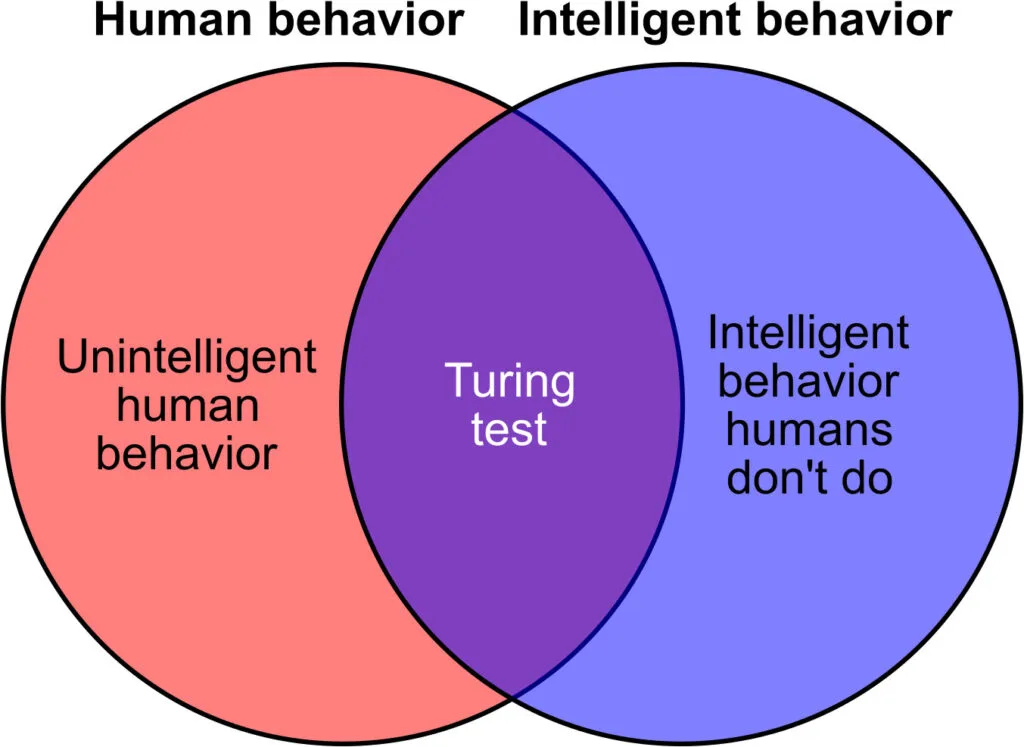
  • 1950 – British scientist Alan Turing proposed a test (Turing Test) to see if a machine can think like a human.

  • 1956 – The term “Artificial Intelligence” was first used by John McCarthy during a conference at Dartmouth College.

  • 1970s–80s – AI faced slow progress due to lack of computer power and data. This period is called the “AI Winter.”

  • 1997 – IBM’s Deep Blue defeated world chess champion Garry Kasparov.

  • 2010s onwards – Rapid growth in computing power, big data, and machine learning led to amazing AI developments like Google Translate, self-driving cars, and ChatGPT.


Types of Artificial Intelligence

AI can be divided into three categories based on its capabilities:

1. Narrow AI (Weak AI)

  • This type of AI is designed for a specific task.

  • It cannot perform tasks outside its area.

  • Examples: Siri, Google Assistant, facial recognition, spam filters.

2. General AI (Strong AI)

  • This AI can perform any intellectual task that a human can do.

  • It can learn, reason, and adapt in different situations.

  • Still under research and not yet achieved.

3. Super AI

  • This is a hypothetical AI that surpasses human intelligence.

  • It can think, plan, and solve problems better than humans.

  • Often discussed in science fiction and raises ethical concerns.


Key Technologies in AI

Artificial Intelligence
Artificial Intelligence 

Some important technologies and branches that support the development of AI include:

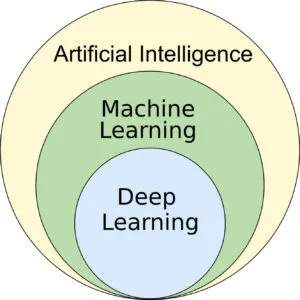
  • Machine Learning (ML): AI systems learn from data and improve over time.

  • Deep Learning: A subfield of ML that uses neural networks (like the human brain) to process data.

  • Natural Language Processing (NLP): Helps machines understand and generate human language.

  • Computer Vision: Allows machines to see and interpret images or videos.

  • Robotics: Combines AI with mechanical systems to create intelligent robots.


Applications of AI

Artificial Intelligence


AI is now used in almost every sector. Let’s look at some major areas:

1. Healthcare

  • AI helps doctors in diagnosing diseases, predicting health risks, and providing personalized treatment.

  • Example: AI tools detect cancer in X-rays or MRI scans.

Applications of AI in Healthcare

Artificial Intelligence (AI) is playing a major role in transforming the healthcare industry. It is helping doctors, hospitals, and researchers provide better and faster care to patients. Below are some key applications of AI in healthcare:

1. Disease Diagnosis

AI systems can analyze medical data such as X-rays, MRIs, and blood reports to detect diseases like cancer, diabetes, heart conditions, and more. AI tools often detect illnesses at an early stage, sometimes more accurately than humans.

2. Medical Imaging

AI is widely used in medical imaging to identify patterns and abnormalities. It helps radiologists in interpreting scans faster and more accurately, improving the chances of early treatment.

3. Personalized Treatment

AI can study a patient’s medical history and suggest personalized treatment plans. It considers the patient’s unique condition and recommends the most effective therapies.

4. Drug Discovery

AI helps pharmaceutical companies in discovering new medicines faster. It analyzes chemical combinations and predicts which ones are most likely to work, reducing both time and cost.

5. Virtual Health Assistants

AI-powered chatbots and virtual assistants help patients by answering health-related questions, reminding them to take medicines, or booking appointments. This reduces the burden on hospitals.

6. Remote Patient Monitoring

With the help of wearable devices and AI, doctors can monitor patients’ health from a distance. This is especially useful for elderly or chronic disease patients who need regular supervision.

7. Predictive Analytics

AI can predict disease outbreaks or identify patients at risk of certain health problems by analyzing health records, environment, and lifestyle data.

8. Robotic Surgery


AI-powered robots assist doctors in performing complex surgeries with high precision. These surgeries are often less invasive and lead to faster recovery.

Pages: Page 1 Page 2 Page 3 Page 4 Page 5 Page 6

Filed Under: official, Sci. & Tech., Tech Blogs

Ultimate Guide to Aurora Borealis and Aurora Australis: Nature’s Dazzling Light Shows Unveiled

May 21, 2024 By kundan Leave a Comment

Aurora Borealis and Aurora Australis: Nature’s Dazzling Light Shows


Aurora Borealis and Aurora Australis

Auroras, also known as the northern lights (Aurora Borealis) and southern lights (Aurora Australis), are mesmerizing natural light displays in Earth’s sky. Let’s see about it

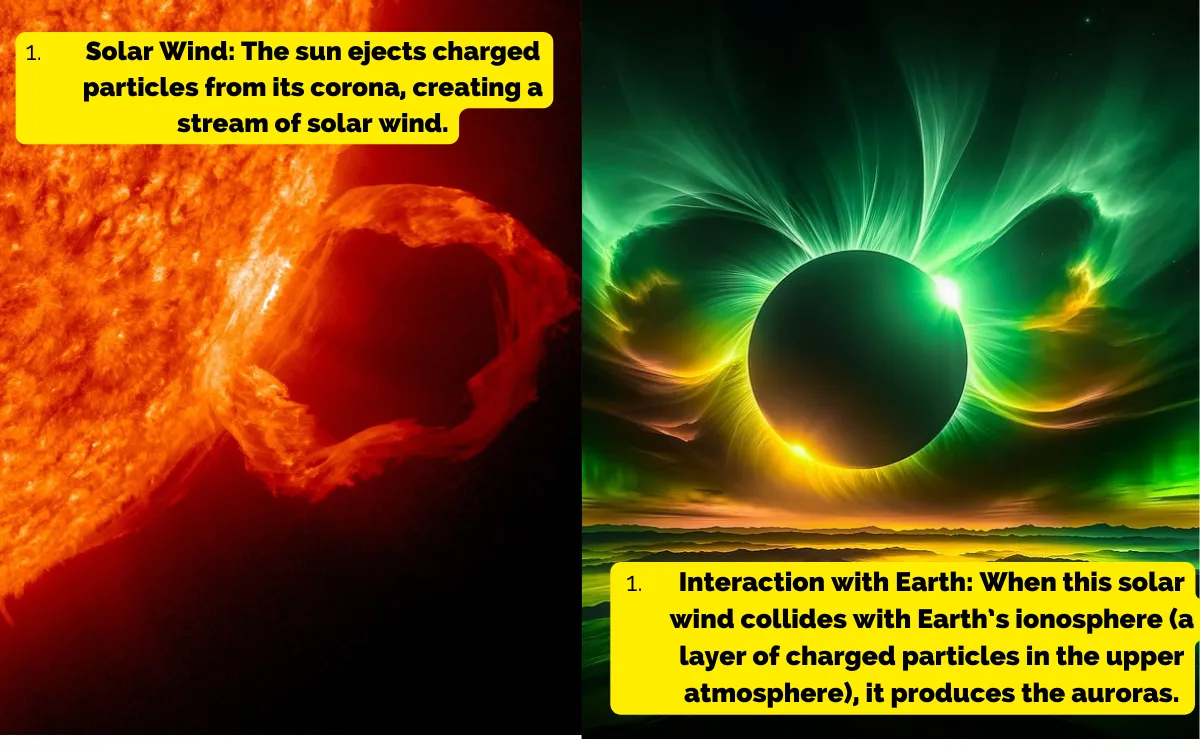
  1. Solar Wind: The sun ejects charged particles from its corona, creating a stream of solar wind.
  2. Interaction with Earth: When this solar wind collides with Earth’s ionosphere (a layer of charged particles in the upper atmosphere), it produces the auroras.
  3. Hemispheric Difference: In the Northern Hemisphere, we see the northern lights (Aurora Borealis), while in the Southern Hemisphere, it’s the southern lights (Aurora Australis). This hemispheric asymmetry is due to the sun’s magnetic field interacting with Earth’s magnetic field.


The night sky holds many mysteries, but few are as captivating as the auroras. These natural light displays, known as the Aurora Borealis and Aurora Australis, paint the heavens with vibrant colors and intricate patterns. Let’s dive into the mesmerizing world of auroras, exploring their science, beauty, and significance.

What are Auroras?

Auroras are natural light displays predominantly seen in high-latitude regions around the Arctic and Antarctic. These phenomena occur when charged particles from the sun interact with the Earth’s magnetic field, resulting in stunning visual displays in the sky.

Read about- Mysteries of Halley’s Comet: History, Science, and Spectacle

Aurora Borealis


Aurora Borealis and Aurora Australis

What is Aurora Borealis?

The Aurora Borealis, or Northern Lights, is primarily visible in the northern hemisphere. Known for its spectacular green, pink, and purple hues, this natural wonder has fascinated people for centuries.

Geographical Locations for Viewing

Prime locations to witness the Aurora Borealis include northern Canada, Alaska, Norway, Sweden, and Finland. These regions offer clear, dark skies away from city lights, providing the perfect backdrop for this celestial display.

Historical Significance

Throughout history, the Aurora Borealis has been a source of inspiration and awe. Ancient civilizations often attributed mystical and divine significance to these lights, believing them to be omens or messages from the gods.

Aurora Australis


Aurora Borealis and Aurora Australis

What is Aurora Australis?

The Aurora Australis, or Southern Lights, graces the skies of the southern hemisphere. While less frequently discussed, it offers an equally breathtaking spectacle, with similar colors and patterns to its northern counterpart.

Geographical Locations for Viewing

To see the Aurora Australis, head to places like Tasmania, New Zealand, Antarctica, and the southern parts of Argentina and Chile. These remote locations provide ideal conditions for aurora viewing.

Historical Significance

Like the Aurora Borealis, the Southern Lights have played a role in the cultural narratives of indigenous peoples in the southern hemisphere, inspiring myths and legends about their origins and meanings.


The Science Behind Auroras


Aurora Borealis and Aurora Australis

How Auroras are Formed

Auroras are created when solar winds, streams of charged particles emitted by the sun, collide with the Earth’s magnetic field. These collisions cause energy emissions in the form of light, creating the aurora.

Role of the Sun and Solar Winds

The sun’s activity, particularly during solar storms, intensifies the auroras. When solar winds are strong, more particles reach the Earth, resulting in brighter and more dynamic displays.

Interaction with Earth’s Magnetic Field

The Earth’s magnetic field directs the solar particles towards the poles, where they interact with gases in the atmosphere, such as oxygen and nitrogen, producing the characteristic colors of auroras.


Colors and Patterns of Auroras


Aurora Borealis and Aurora Australis

Why Auroras Have Different Colors

The variety of colors in auroras is due to the type of gas molecules they interact with and the altitude at which these interactions occur. Oxygen typically emits green and red light, while nitrogen can produce blue and purple hues.

Common Patterns and Shapes

Auroras can appear as arcs, curtains, rays, or spirals. These shapes result from the complex movements of particles within the Earth’s magnetic field.

Best Times to View Auroras

Seasonal Variations

Auroras are most visible during the winter months when nights are longest. In the northern hemisphere, this means late autumn to early spring, while in the southern hemisphere, it’s from late March to September.

Optimal Viewing Conditions

Clear, dark skies away from city lights are crucial for aurora viewing. Additionally, periods of high solar activity increase the chances of seeing vivid auroras.

Mythology and Folklore

Aurora Borealis in Mythology

The Northern Lights have inspired countless myths. For instance, Norse mythology describes the lights as the reflections from the armor of the Valkyries, warrior maidens who chose those who may die and those who may live.


Aurora Australis in Mythology


Indigenous Australian cultures often see the Southern Lights as spirits of their ancestors, while Maori traditions in New Zealand regard them as fires of the celestial realm.

Photographing Auroras


Tips for Capturing the Perfect Shot

Aurora Borealis and Aurora Australis

Capturing the auroras requires a camera with manual settings, a sturdy tripod, and a wide-angle lens. Use long exposure times to gather more light and highlight the aurora’s colors and movements.

Recommended Equipment

A DSLR or mirrorless camera with good low-light performance, a fast lens (f/2.8 or lower), and a remote shutter release are ideal for photographing auroras.

Aurora Tourism

Popular Destinations

Aurora tourism is booming, with popular destinations including Tromsø in Norway, Yellowknife in Canada, and the South Island of New Zealand. These places offer guided tours and accommodations tailored to aurora chasers.

Travel Tips and Advice

When planning an aurora trip, check the aurora forecast, book accommodations well in advance, and prepare for cold weather with appropriate clothing.

Environmental Impact of Auroras

Effects on Wildlife

Auroras can influence animal behavior, particularly migratory patterns and navigation. Birds and marine animals that rely on the Earth’s magnetic field may experience disruptions during intense auroral activity.

Impacts on Human Activities

Auroras can affect satellite operations and GPS systems. During strong solar storms, the increased electromagnetic activity can cause communication outages and power grid disturbances.

Scientific Research on Auroras


Current Studies and Findings

Scientists are continually studying auroras to understand their formation and impact better. Recent research focuses on the relationship between solar activity and auroral patterns, as well as their effects on the Earth’s atmosphere.

Future Research Directions

Future research aims to predict auroral activity more accurately and understand how space weather impacts our technology and daily lives.

Auroras and Technology

Impact on Satellites and Communication

Auroras can cause geomagnetic storms that interfere with satellite operations, disrupting communication and navigation systems. Engineers are developing technologies to mitigate these effects.

Protective Measures

To protect satellites and communication systems, scientists monitor solar activity and use forecasting models to predict and prepare for potential disruptions.

Personal Stories and Experiences

Accounts from Aurora Chasers

Aurora chasers, those dedicated to witnessing and photographing auroras, share incredible stories of their adventures. From braving freezing temperatures to traveling across the globe, their passion for the auroras is inspiring.

Memorable Viewing Experiences

Many people describe their first aurora sighting as a life-changing experience, characterized by awe and wonder at nature’s beauty. These personal accounts highlight the emotional impact of witnessing an aurora.

Auroras, both Borealis and Australis, offer a breathtaking glimpse into the dynamic interactions between our planet and the sun. Whether viewed from the northern or southern hemispheres, these light shows remind us of the beauty and complexity of nature. From the science behind their formation to the myths they inspire, auroras continue to captivate and intrigue us.

FAQs


Aurora Borealis and aurora australis UPSC

What Causes Auroras?

Auroras are caused by the interaction of solar winds with the Earth’s magnetic field, leading to the emission of light in the upper atmosphere.

Where Can I See the Aurora Borealis?

The Aurora Borealis can be seen in northern regions such as Canada, Alaska, Norway, Sweden, and Finland.

When is the Best Time to See Auroras?

The best time to see auroras is during the winter months when nights are longest and skies are darkest.

How Can I Photograph Auroras?

To photograph auroras, use a camera with manual settings, a tripod, and a wide-angle lens, and set a long exposure time.

Are Auroras Dangerous?

While auroras themselves are not dangerous, the geomagnetic storms that cause them can affect satellites and power grids.

Aurora Borealis and Aurora Australis


Read more about it 

MBBS: Demystifying the Full Form and Its Importance

Filed Under: Sci. & Tech., Tech Blogs

Unlocking the Mysteries of Halley’s Comet: History, Science, and Spectacle

May 7, 2024 By kundan Leave a Comment

Mysteries of Halley’s Comet

Halley Comets

Halley’s Comet, also known as Comet Halley or simply Halley, is a remarkable celestial visitor. It belongs to the category of short-period comets, which means it has an orbit lasting 200 years or less. Unlike long-period comets, which have orbits lasting thousands of years, Halley’s orbit period averages around 76 Earth years. This corresponds to an orbital circumference around the Sun of about 7.6 billion miles (12.2 billion kilometers).

Halley’s periodic returns to the inner Solar System have been observed and recorded by astronomers around the world since at least 240 BC. However, it was not until 1705 that the English astronomer Edmond Halley understood that these appearances were reappearances of the same comet. As a result of this discovery, the comet is named after him. Halley’s Comet is consistently visible to the naked eye from Earth, appearing approximately every 75–79 years.

It last appeared in the inner parts of the Solar System in 1986 and is expected to make its next appearance in mid-2061

During its 1986 visit to the inner Solar System, Halley’s Comet became the first comet to be observed in detail by spacecraft. These observations provided the first data on the structure of a comet nucleus and the mechanism of coma and tail formation. The missions confirmed some longstanding hypotheses about comet construction, including Fred Whipple’s “dirty snowball” model, which predicted that Halley would be composed of a mixture of volatile ices (such as water, carbon dioxide, and ammonia) and dust.


How can I observe Halley’s Comet when it returns?

Halley Comets


Observing Halley’s Comet during its return can be an exciting astronomical experience! Here are some steps to help you observe this celestial visitor:

  1. Know the Next Appearance Date:
    • Halley’s Comet is expected to return to the inner Solar System around 2061. Mark your calendar for this event!
    • Keep an eye on astronomy news and updates to stay informed about its exact arrival time.
  2. Find a Dark Sky Location:
    • To observe the comet, choose a location away from city lights. Light pollution can hinder visibility.
    • Parks, rural areas, or high-altitude spots are ideal.
  3. Use Binoculars or a Telescope:
    • While Halley’s Comet is visible to the naked eye, using binoculars or a small telescope will enhance your view.
    • Look for the comet’s fuzzy, elongated tail.
  4. Timing and Direction:
    • Halley’s Comet will be visible in the pre-dawn sky or shortly after sunset.
    • Look toward the eastern horizon during the predawn hours or the western horizon after sunset.
    • The comet’s position will change as it moves through the sky, so check star charts or astronomy apps for accurate information.
  5. Patience and Persistence:
    • Observing comets requires patience. They may not always be immediately visible.
    • Spend time scanning the sky, and be prepared for multiple viewing sessions.
  6. Learn the Constellations:
    • Halley’s Comet will pass through different constellations during its journey.
    • Familiarize yourself with the constellations it will be near, such as Orion, Taurus, or Gemini.
  7. Capture the Moment:
    • If you’re into astrophotography, consider capturing images of the comet.
    • Use a tripod and a camera with manual settings to take long-exposure shots.

Remember that Halley’s Comet is a rare visitor, so take advantage of the opportunity when it returns! 🌠✨


How can I learn more about astronomy?

Halley Comets

Certainly! Astronomy is a captivating field that allows us to explore the wonders of the universe. Whether you’re a beginner or looking to deepen your knowledge, here are some ways to get started:

  1. Stargazing Basics:
    • Learn the Night Sky with the Unaided Eye:
      • Begin by observing the night sky without any equipment. Familiarize yourself with constellations, bright stars, and the Moon.
    • Thinking Telescope?
      • While telescopes are fantastic, you don’t need one initially. Start with naked-eye observations.
    • Dive into Maps and Guidebooks:
      • Use star charts, apps, or guidebooks to identify celestial objects.
    • Ransack Your Public Library:
      • Borrow astronomy books to expand your understanding.
    • Keep an Astronomy Diary:
      • Record your observations, thoughts, and discoveries.
    • Seek Out Other Amateurs:
      • Join local astronomy clubs or online forums to connect with fellow enthusiasts.
    • When It’s Time for a Telescope, Plunge in Deep:
      • If you decide to invest in a telescope, research and choose one that suits your interests1.
  2. Pick Your Stargazing Spot:
    • You can stargaze from anywhere—your window, balcony, backyard, or a remote location.
    • Use the Bortle scale to determine your location’s darkness level. Even in city skies (Class 9), there’s plenty to see.
    • Look up your location’s Bortle class using tools like clearoutside.com2.
  3. Learn Sky Orientation:
    • Understand north, east, south, and west from your viewpoint.
    • Planets rise in the east and set in the west, similar to the Sun.
    • Learn shortcuts for estimating sky positions (e.g., degrees, outstretched fists).
    • Bright planets are easy to spot, even in cities.
  4. Choose Your Equipment:
    • Smartphone Apps:
      • Use astronomy apps to identify stars, planets, and constellations.
    • Binoculars:
      • Binoculars enhance your view of the night sky.
    • Telescope (Optional):
      • When ready, explore deeper with a telescope2.
  5. Online Astronomy Courses:
    • Consider taking online courses from universities like Harvard, Stanford, or MIT. They offer certificates and cover various topics in astronomy3.

Remember, the universe is waiting to reveal its secrets. Enjoy your journey into the cosmos! 🌠🔭✨

Technical Blogs . Read more – Click Here

Filed Under: Sci. & Tech., Tech Blogs Tagged With: Halley Comets

Deepfake Security Risk

November 17, 2023 By kundan 1 Comment

Deepfake AI Technology: Security Risks in the Business


How deepfakes affect businesses? || What is the impact of deepfakes in business? || Deepfake Security Risk

There are some impacts of deepfakes ai on business such as following

  1. Reputation Damage
  2. Extortion
  3. Fraud
  4. Social Unrest
  5. Disruption of Operations

Deepfakes AI Technology, a form of manipulated media that convincingly simulates real content, present a considerable threat to businesses across various dimensions. The following outlines the principal impacts of deepfakes on enterprises:


Reputation Damage: Deepfakes can disseminate false information, harming a company’s reputation and undermining customer trust. For instance, a fabricated video featuring a CEO making damaging statements could lead to a loss of investor confidence and a subsequent decline in stock prices.

Deepfake AI Technology: A Security Risks

Extortion: Extortion becomes a viable threat with deepfakes. A manipulated video portraying a CEO engaging in illicit activities can be used as leverage to coerce the company into paying a ransom.

Fraud: There are a tool for committing fraud. For example, a falsified audio recording of a CEO authorizing a significant financial transaction could be used to siphon funds from the company.

Disruption of Operations: There have the potential to disrupt business operations by creating confusion or chaos. A video depicting a CEO giving false instructions could lead to misunderstandings among employees and disrupt the workplace.

In addition to these specific threats, “Deepfakes” can erode trust in online information, making it challenging for businesses to effectively communicate with stakeholders.

To safeguard against these risks, “businesses” can adopt the following preventive measures:

Employee Education: Educate employees about deepfakes, enabling them to recognize and respond effectively to potential threats.

Robust Cybersecurity Measures: Ensure that the company’s cybersecurity systems are updated and capable of detecting and preventing deepfakes from compromising sensitive data or systems.

Social Media Monitoring: Regularly monitor social media and other online platforms for deepfakes that could tarnish the company’s reputation.

Response Plan Development: Develop a comprehensive plan for responding to deepfakes, encompassing strategies for identification, investigation, and remediation in the event of an attack.


Deepfake security concerns


Deepfake AI Technology: Security Risks in the Business is most concert topic for all

Deepfakes encompass manipulated videos, audio recordings, or other media content altered using artificial intelligence, creating a false impression of individuals engaging in actions they never performed. The potential harm to individuals and businesses is significant, raising several security concerns that necessitate attention.

Security Concerns Associated with Deepfakes: Spread of Misinformation: Deepfakes can disseminate false information, impacting public opinion and potentially influencing elections through the spread of misinformation and disinformation.

Fraudulent Activities: Deepfakes pose a threat to financial security, with the potential for fraudulent activities such as using manipulated audio recordings to simulate CEOs authorizing large financial transactions.

Reputation Damage: The creation of deepfake content, such as videos portraying celebrities engaging in illegal or unethical behavior, can harm reputations and tarnish public perception.

Social Unrest: Deepfakes have the capability to incite social unrest by creating fabricated content, like videos depicting political leaders making inflammatory statements.

Mitigation Strategies for Deepfake Security Risks:

Deployment of Detection Technologies: Develop and deploy deepfake detection technologies to identify manipulated content before it reaches a wider audience, mitigating the potential harm caused by the spread of deepfakes.

Public Education: Educate the public about deepfakes to foster critical thinking and reduce vulnerability to deceptive content, empowering individuals to discern authentic information from manipulated media.

Strengthened Cybersecurity Measures: Enhance cybersecurity measures by employing strong passwords, keeping software up to date, and promoting cautious online information sharing to fortify defenses against potential deepfake threats.

Clear Policies and Procedures: Establish clear organizational policies and procedures for dealing with deepfakes, enabling swift and effective responses to instances where deepfakes are used against businesses or individuals.

By implementing these measures, the risks associated with deepfakes can be mitigated, promoting responsible use of technology and minimizing the potential for harm caused by malicious manipulation of media content.


Are Deepfakes really a Security Threat? Deepfake AI Technology: A Security Risks of Modern Era


Certainly, deepfakes present a significant security threat in various ways. They can be employed to:

Spread Misinformation and Disinformation: Deepfakes have the capability to generate fabricated videos or audio recordings depicting individuals engaging in actions or making statements they never actually did. These manipulated media can be disseminated online to propagate false information, potentially affecting political figures with misleading statements or involving celebrities in endorsements they never endorsed.

Commit Fraud: The impersonation potential of deepfakes extends to committing fraud. By creating convincing videos, perpetrators may simulate high-ranking individuals, such as CEOs, authorizing financial transactions or extracting sensitive information from unsuspecting victims.

Damage Reputations: Deepfakes can tarnish the reputations of individuals by fabricating offensive content. This may involve creating videos of celebrities making inappropriate statements or generating audio recordings of politicians uttering discriminatory remarks, leading to reputational harm.

In addition to these specific threats, deepfakes pose a broader menace to trust and security. As deepfake technology advances, distinguishing between reality and falsehood becomes increasingly challenging, risking a breakdown in trust. This, in turn, may facilitate criminal activities such as fraud.

Several measures can be taken to mitigate the risks associated with deepfakes:

Developing Improved Deepfake Detection Tools: Researchers are actively working on enhancing tools to detect deepfakes. These tools analyze subtle cues in audio or video, such as lighting inconsistencies or facial expression irregularities, to identify manipulated content.

Raising Awareness: Promoting awareness is crucial to educating the public about the dangers of deepfakes. This involves understanding how deepfakes are crafted, their potential for spreading misinformation, and implementing safeguards to avoid deception.

Establishing Clear Legal and Ethical Guidelines: Currently, there is a lack of well-defined legal and ethical frameworks governing the use of deepfakes. Establishing clear guidelines is essential to hold individuals accountable for creating or sharing deepfakes that cause harm.

Active Threat Example of Deepfake Campaigns using Artificial Intelligence (AI) || The Best and Scariest Examples of AI enabled deepfakes


The rapid advancement of deepfake technology in recent years has significantly lowered the barriers, making it more accessible and affordable for individuals to produce convincing fake videos or audio recordings. This surge in deepfake capabilities has, in turn, led to a rise in deepfake attacks that leverage artificial intelligence (AI) to disseminate misinformation, perpetrate fraud, and harm reputations.

Recent instances of active deepfake threats include:

Deepfake AI Technology: A Security Risks

Cryptocurrency Scam (2021): A deepfake video featuring Elon Musk was employed to promote a cryptocurrency scam. The fabricated video depicted Musk endorsing a new cryptocurrency and was widely shared on social media, resulting in substantial financial losses for unsuspecting individuals.


False Health Information (2022): In 2022, a deepfake audio recording of a US politician circulated on social media, spreading false information about the politician’s health. The recording, seemingly authentic, led to widespread belief in the misinformation, forcing the politician to publicly refute the claims made in the manipulated audio.


CEO Impersonation and Wire Transfer Fraud (2023): A deepfake video of a CEO was utilized to deceive employees into authorizing a wire transfer of funds. The video, appearing highly convincing, showed the CEO seemingly approving the transfer, leading to significant financial losses for the company.

These examples illustrate the growing prevalence of deepfake attacks, and as the technology evolves, we can anticipate even more sophisticated and potentially dangerous incidents in the future.

To safeguard against deepfake attacks, consider the following precautions:

Maintain Skepticism: Approach online content with skepticism, particularly if it appears too good to be true. Question the authenticity of information before accepting it as factual.

Verify Information Sources: Before sharing content online, verify the credibility of the source. Ensure that the information comes from a reliable and trustworthy origin.


Recognize Signs of Deepfakes: Deepfakes often exhibit subtle cues such as inconsistencies in lighting or facial expressions. Being vigilant for these signs can help identify potentially manipulated content.

Utilize Deepfake Detection Tools: Take advantage of available deepfake detection tools that can assist in identifying fake videos and audio recordings. These tools leverage technological advancements to distinguish between authentic and manipulated content.

Report Suspected Deepfakes: If you come across a deepfake that you believe is harmful or misleading, promptly report it to the relevant authorities. Reporting can contribute to efforts in addressing the misuse of deepfake technology.

Applications of deepfake technology


Deepfake technology, a fusion of artificial intelligence (AI) and machine learning (ML), has gained substantial momentum in recent years, facilitating the generation of hyperrealistic videos and audio recordings through the seamless amalgamation of existing media content. Its applications span diverse industries, encompassing entertainment, education, healthcare, and business.

Entertainment

Deepfakes have sparked a revolution in the entertainment industry, introducing a myriad of creative possibilities. They are prominently utilized to:

Craft humorous videos and parodies: Deepfakes have become a prevalent tool for generating comedic content, frequently substituting celebrities into established scenes or incorporating their voices into amusing scenarios.

Develop immersive storytelling experiences: Deepfakes enhance movies and TV shows by breathing life into characters in innovative ways. For instance, they can portray historical figures or create lifelike avatars for fictional characters.

Personalize fan experiences: Deepfakes contribute to the creation of personalized video messages from celebrities or characters, fostering a stronger connection between fans and their favorite entertainers.

Education

In the realm of education, deepfakes are reshaping traditional approaches, offering inventive tools for teaching and learning. Their applications include:

Creation of interactive learning materials: Deepfakes facilitate the development of engaging educational simulations, enabling students to interact with historical figures or scientific phenomena in a virtual setting.

Personalization of learning experiences: Deepfakes support the creation of personalized tutorials or explanations, adapting to individual learning styles and paces.

Enhancement of language learning: Deepfakes contribute to the development of realistic language practice scenarios, aiding students in improving fluency and pronunciation in various languages.

Healthcare

Deepfakes are emerging as valuable assets in healthcare, providing unique applications for patient education and professional training. Their roles encompass:

Creation of personalized patient education videos: Deepfakes assist in producing personalized videos explaining medical procedures or conditions, incorporating a patient’s face or voice for enhanced understanding.

Development of realistic training simulations for medical professionals: Deepfakes enable the creation of lifelike simulations for medical scenarios, allowing healthcare professionals to hone their skills in a secure environment.

Protection of patient privacy in medical videos: Deepfakes support the anonymization of patients in medical videos, ensuring privacy while still disseminating valuable educational content.

Business

In the business domain, deepfakes are carving out applications in marketing, product development, and customer service, offering novel opportunities


Disadvantage of Deepfake AI Technology


Despite the potential advantages of deepfake AI technology, it brings forth several drawbacks that demand careful consideration

Misinformation and Disinformation: Deepfakes can generate fabricated videos or audio recordings portraying individuals engaging in actions or making statements they never did. These manipulated media can be shared online, contributing to the spread of misinformation or disinformation. For instance, a deepfake might create a video of a politician making a false statement about their opponent.


Privacy Violations: Deepfakes can be used to produce non-consensual pornography or defamatory content, intruding upon individuals’ privacy and damaging reputations. This includes creating offensive videos of celebrities or audio recordings of politicians making discriminatory remarks.


Identity Theft: Deepfakes can facilitate impersonation for fraudulent purposes, such as creating videos of CEOs authorizing financial transactions or audio recordings of customers providing sensitive information like credit card details.

Erosion of Trust: The constant exposure to fake news and disinformation through deepfakes can lead to a decline in trust in institutions, individuals, and the media. This erosion of trust may result in decreased civic engagement.


Psychological Harm: Victims of deepfake manipulation can suffer psychological harm, experiencing distress, anxiety, depression, or even facing financial losses. In some cases, deepfakes have been utilized for blackmail or extortion.


Legal and Ethical Challenges: Deepfakes present numerous legal and ethical challenges due to the absence of clear laws governing their creation or distribution. This lack of legal framework makes it challenging to hold individuals accountable for using deepfakes to harm others.


Technological Limitations: As a relatively new technology, deepfakes face technological limitations that need addressing. Challenges include their difficulty to detect, as well as the expense and time required for their creation.

Potential for Weaponization: Deepfakes hold the potential to be weaponized by malicious actors for various purposes, such as spreading propaganda, disrupting elections, or undermining national security.


FAQs About Deepfakes


Are deepfakes a legitimate security threat?

Yes, deepfakes pose a significant security threat, leveraging manipulated content to deceive and potentially harm individuals, organizations, and society.

What are the adverse effects of deepfake technology?

Deepfake technology can lead to misinformation, identity theft, reputational damage, and the spread of false narratives, impacting individuals and organizations negatively.

To what extent can deepfakes threaten an organization?

Deepfakes can pose a considerable threat to organizations by facilitating impersonation, spreading disinformation, and manipulating content to compromise the integrity of communications.

How do deepfakes influence society?

Deepfakes can erode trust, contribute to the spread of misinformation, and potentially manipulate public perception, impacting the social fabric and the trustworthiness of digital content.

Are there instances of positive impacts from deepfakes?

While largely associated with risks, some beneficial uses of deepfakes include entertainment, creative expression, and advancing virtual experiences in various industries.

What is the impact of deepfakes on the fashion industry?

Deepfakes can be misused in the fashion industry to create fabricated images or videos, potentially leading to false endorsements or misrepresentation of products and brands.

In what ways are deepfakes commonly misused?

Deepfakes are often misused for malicious activities such as spreading false information, committing fraud, and manipulating content for illicit gains.

How do deepfakes affect cybersecurity?

Deepfakes introduce new challenges to cybersecurity by enabling sophisticated impersonation attacks, social engineering, and the creation of convincing but false narratives.

What measures are being taken to prevent deepfakes?

Efforts include developing advanced detection algorithms, promoting media literacy, enhancing platform policies, and exploring legal frameworks to deter the creation and dissemination of deepfakes.

What are the potential solutions to avoid deepfakes?

Possible solutions involve the development and implementation of advanced detection technologies, promoting awareness, fostering a culture of skepticism, and exploring regulatory measures to deter malicious use.


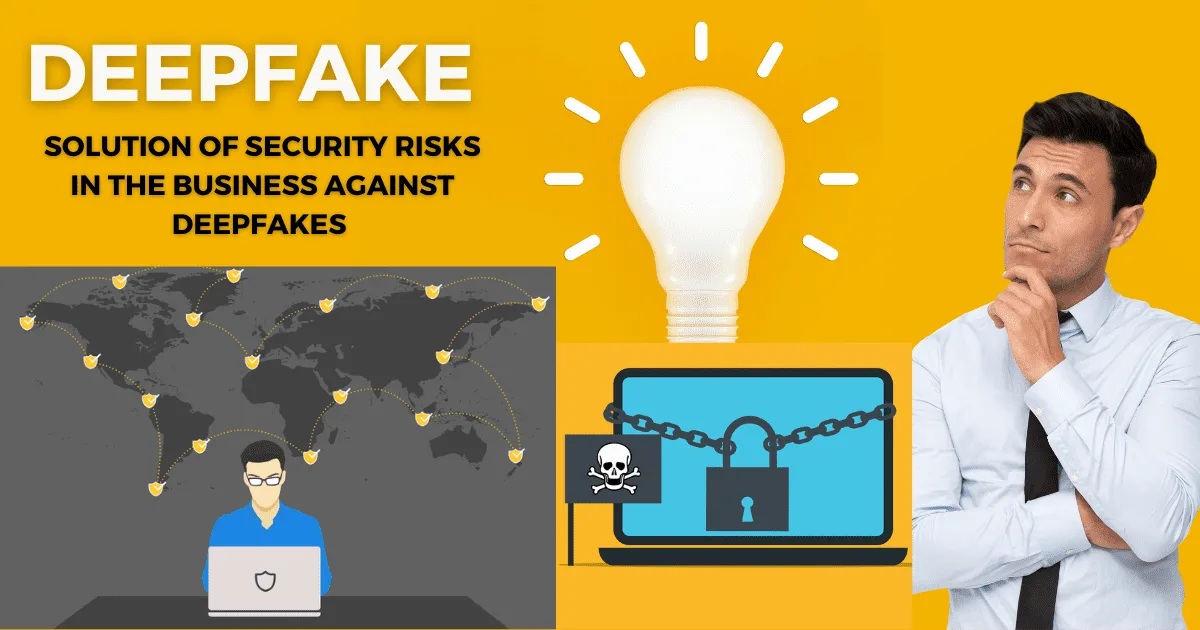
Click Here for : Solution of Security Risks in the Business against Deepfake AI Technology

Click Here To Know about whats is mr deepfake

Filed Under: Business, News, Sci. & Tech. Tagged With: #Artificial Intelligence, Artificial Rain in New Delhi

Guarding Against Deepfake Threats: Solutions for Enhanced Business Security

November 17, 2023 By kundan 2 Comments

 Deepfake AI Technology: Solution of Security Risks in the Business


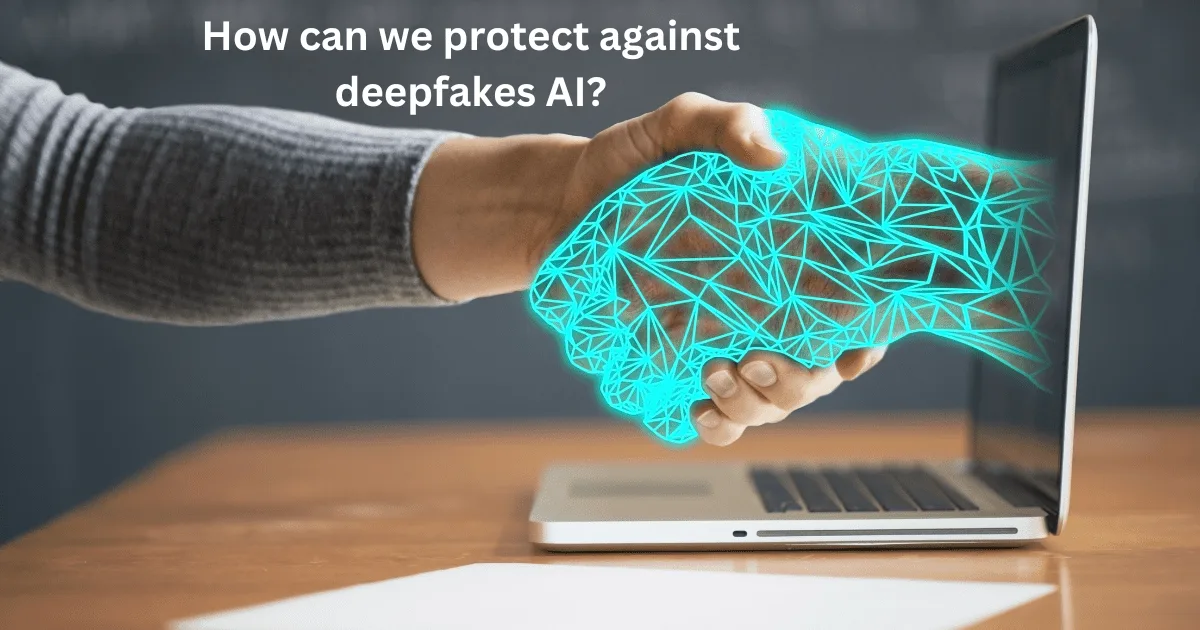
How can we protect against Deepfakes?

There are some points to security protect against Deepfake are following 

  1. Exercise Skepticism
  2. Evaluate Information Sources
  3. Detect Manipulation Clues
  4. Utilize Fact-Checking Tools
  5. Acknowledge Personal Biases
  6. Promote Awareness
  7. Digital Watermarks
  8. Algorithm Development
  9. Educational Initiatives
  10. Digital Verification Tools
  11. Multi-Step Authentication
Deepfake: Solution of Security Risks in the Business

Deepfakes pose a significant risk to the integrity of information, as they involve manipulated videos or audio recordings designed to portray individuals engaging in actions or making statements they never actually did. Safeguarding oneself from the potential pitfalls of deepfakes involves a combination of critical thinking, source evaluation, and technical measures. Here are several strategies to protect against the threat of deepfakes:

There are following tips of Deepfake: Solution of Security Risks in the Business

Exercise Skepticism: Approach online content with a critical mindset. Just because information is accessible online doesn’t guarantee its accuracy. Verify details through multiple sources to ensure reliability.

Evaluate Information Sources: Assess the credibility of the source providing the information. Trusted news organizations and reputable websites are more reliable than unfamiliar sources or those with a track record of disseminating misleading information.

Detect Manipulation Clues: Scrutinize videos or audio recordings for signs of manipulation, such as inconsistencies in lighting, audio quality, or background elements. Pay attention to discrepancies between facial expressions and spoken words.

Utilize Fact-Checking Tools: Leverage fact-checking tools and websites equipped with various techniques, including image and audio analysis, to authenticate information and identify potential deepfakes.

Acknowledge Personal Biases: Recognize personal biases that may influence the acceptance of information that aligns with pre-existing beliefs. Remain open to considering perspectives that challenge your views.

Promote Awareness: Foster open discussions about deepfakes to increase general awareness. The more people understand the threat posed by deepfakes, the better equipped they become to recognize and counteract them.


Additionally, Technical measures can be implemented to enhance protection against deepfakes:

Digital Watermarks: Embed unique identifiers into videos and audio recordings using digital watermarks. This facilitates the identification of deepfakes by comparing the watermark in the original recording with that in manipulated versions.

Algorithm Development: Work on developing algorithms capable of detecting deepfakes based on subtle variations in facial features and voice characteristics. Although still in development, these algorithms hold promise for effectively identifying manipulated content.

Educational Initiatives: Educate individuals about the existence and potential dangers of deepfakes. Provide guidance on how to recognize them and encourage reporting to the appropriate authorities.


By combining critical thinking with technical tools and education, individuals can better safeguard themselves against the deceptive nature of deepfakes and contribute to a more informed and resilient society.

Some of the Ways Through which Businesses Can Protect Against Deepfakes?


Educate your workforce on the risks associated with deepfakes:

Deepfake: Solution of Security Risks in the Business

Increase Awareness: Ensure that employees are well-informed about the potential dangers of deepfakes and educate them on how to recognize such deceptive content.

Reporting Procedures: Train employees on the proper procedures for reporting instances of deepfakes to the relevant authorities, fostering a proactive approach to combating this threat.

Online Skepticism: Encourage a healthy level of skepticism among employees when encountering online content, particularly if it originates from unfamiliar sources. Instill the habit of critically evaluating information.

Digital Verification Tools: Implement digital verification tools to authenticate both videos and audio recordings. These tools play a crucial role in identifying deepfakes by comparing watermarks in the original recording with those present in manipulated versions.

Secure Communication Channels: Utilize encrypted communication channels for all business interactions, especially those involving sensitive information. This precautionary measure serves to mitigate the risk of deepfakes being exploited for stealing confidential data or impersonating employees.

Media Content Backup: Establish a robust system for backing up all media content, encompassing videos and audio recordings. This practice provides a reliable reference point in the event that a deepfake is generated using the original content.

Collaboration and Intelligence Sharing: Foster collaboration by encouraging participation in industry-specific groups or forums dedicated to deepfake detection and defense. Sharing intelligence within these communities enables businesses to stay abreast of the latest threats and effective defense strategies.

Promote a Culture of Skepticism: Cultivate a workplace environment where employees are empowered to double-check unusual requests or unexpected communications, particularly those related to financial transactions. Foster a culture where reporting suspicious activities is not only encouraged but also embraced.

Multi-Step Authentication: Enforce the use of multi-factor authentication for accessing sensitive systems and data. This added layer of security makes it more challenging for attackers to gain unauthorized access and create deepfakes.

Stay Informed: Stay vigilant by monitoring news and industry publications for updates on emerging deepfake threats. Regularly update software with the latest security patches to fortify defenses against evolving risks.


By incorporating these measures, businesses can fortify their defenses against the pervasive threat of deepfakes, promoting a resilient and secure organizational environment.

What is the solution for deepfakes?


 Addressing the challenge of deepfakes is a multifaceted and continually evolving task, with various promising approaches emerging to tackle this threat. These approaches fall into two overarching categories: technological and social.

Technological Approaches:

Detection: Active research is underway to develop algorithms capable of automatically detecting deepfakes. These algorithms leverage advanced techniques such as image and audio analysis, continually improving in their ability to identify manipulated content.

Watermarking: Digital watermarks, when embedded into videos and audio recordings, serve as unique identifiers. These watermarks enable the verification of content authenticity and the detection of any manipulations.

Provenance Tracking: Blockchain technology offers a transparent record of the creation, editing, and sharing of videos and audio recordings, aiding in identifying deepfakes and holding responsible parties accountable.


Social Approaches:

Media Literacy: Essential for fostering a resilient society, educating the public about deepfakes involves teaching individuals how to identify them and providing guidance on reporting such instances to the appropriate authorities.

Transparency and Accountability: Social media platforms and content publishers should enhance transparency regarding their policies for handling deepfakes. They must also be accountable for promptly removing deepfakes from their platforms and taking action against those involved in their creation and dissemination.

Regulation: Governments may need to explore new regulations to counter the deepfake threat, potentially criminalizing the creation or sharing of deepfakes. Such regulations could also mandate that companies take preventive measures to curb the spread of manipulated content.


In addition to these specific strategies, fostering a general culture of skepticism and critical thinking is paramount. It is crucial for individuals to be cognizant of the potential for manipulation in the digital realm and take proactive steps to verify the information they consume.

FAQs About Deepfakes


What measures are being taken to prevent deepfakes?

Efforts include developing advanced detection algorithms, promoting media literacy, enhancing platform policies, and exploring legal frameworks to deter the creation and dissemination of deepfakes.

What are the potential solutions to avoid deepfakes?

Possible solutions involve the development and implementation of advanced detection technologies, promoting awareness, fostering a culture of skepticism, and exploring regulatory measures to deter malicious use.


Click Here to know more about

 mr deepfake

 Deepfake is a security risk

Protect against Deepfake 

Filed Under: News, Sci. & Tech. Tagged With: #Artificial Intelligence

Footer

Categories

Founder of ohmsite

kundan MIT

About us

Copyright © 2020 ohmsite.com