How AI is Changing Engineering Jobs
Artificial Intelligence (AI) is no longer a futuristic concept — it is actively reshaping industries across the globe. From manufacturing plants to software development labs, AI is transforming how engineers design, analyze, build, and maintain systems.
But is AI replacing engineers? Or is it redefining their roles?
Let’s explore how AI is changing engineering jobs — and what it means for the future workforce.
The Rise of AI in Engineering

Artificial Intelligence refers to machines and software systems capable of performing tasks that normally require human intelligence — such as learning, decision-making, and pattern recognition.
In engineering, AI is being integrated into:
Design optimization
Predictive maintenance
Automation and robotics
Simulation and modeling
Data analysis and quality control
Instead of manually analyzing thousands of data points, engineers now use AI-powered tools that process complex datasets in seconds.
1️⃣ Automation of Repetitive Tasks
One of the biggest impacts of AI is automation.
Previously, engineers spent hours on repetitive tasks like:
Manual calculations
Testing multiple design variations
Reviewing inspection data
Generating reports
Today, AI-driven software automates these tasks, allowing engineers to focus on higher-level problem solving and innovation.
For example:
In mechanical engineering, AI optimizes design parameters automatically.
In civil engineering, AI analyzes structural health monitoring data.
In electrical engineering, AI helps in load forecasting and grid management.
2️⃣ Smarter Design and Simulation

AI has revolutionized design through Generative Design and smart simulation tools.
Engineers now input design goals and constraints, and AI generates multiple optimized solutions automatically.
Benefits include:
Reduced material usage
Lower production cost
Improved performance
Faster product development
Digital twin technology, powered by AI, allows engineers to simulate real-world performance before building physical prototypes.
3️⃣ Predictive Maintenance & Reliability
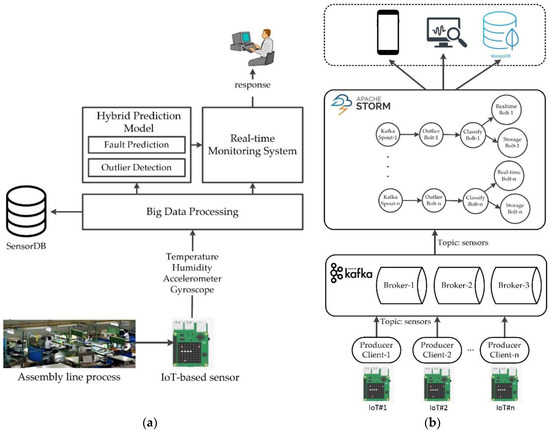
AI analyzes sensor data to predict equipment failures before they happen.
Instead of reactive maintenance (fix after failure), industries now use predictive maintenance, which:
Reduces downtime
Saves repair costs
Improves safety
Extends equipment life
For example, AI can detect abnormal vibration patterns in turbines or transformers and alert engineers early.
This shift has created new job roles such as:
Reliability Engineer
AI Systems Engineer
Data-Driven Maintenance Analyst
4️⃣ Data-Driven Decision Making
Modern engineering projects generate massive amounts of data.
AI systems can:
Detect hidden patterns
Identify performance trends
Optimize energy consumption
Improve manufacturing efficiency
Engineers today must understand data analytics and machine learning basics to interpret AI-generated insights effectively.
5️⃣ New Engineering Roles Emerging
AI is not just replacing tasks — it is creating new opportunities.
New hybrid roles include:
AI Integration Engineer
Robotics Engineer
Machine Learning Engineer
Automation Specialist
Smart Grid Engineer
Engineering is becoming more interdisciplinary, combining:
Core engineering knowledge
Programming skills
Data science
AI fundamentals
6️⃣ Impact Across Different Engineering Fields
🔹 Mechanical Engineering
AI optimizes product design and manufacturing automation.
🔹 Electrical Engineering
AI improves smart grids, renewable energy forecasting, and fault detection.
🔹 Civil Engineering
AI supports traffic prediction, smart cities, and structural health monitoring.
🔹 Computer & Software Engineering
AI is central to application development, cybersecurity, and cloud systems.
Are Engineering Jobs at Risk?
AI may reduce some traditional repetitive roles, but it does not eliminate the need for engineers.
Why?
Because:
AI needs engineers to design and supervise it.
Complex decision-making still requires human judgment.
Ethical considerations and safety standards require human oversight.
AI acts more like a powerful assistant rather than a full replacement.
Skills Engineers Need in the AI Era
To stay competitive, engineers should develop:
Basic understanding of Machine Learning
Programming skills (Python, MATLAB, etc.)
Data interpretation skills
Automation and control knowledge
Critical thinking and creativity
Soft skills such as communication and adaptability are becoming equally important.
The Future: Human + AI Collaboration
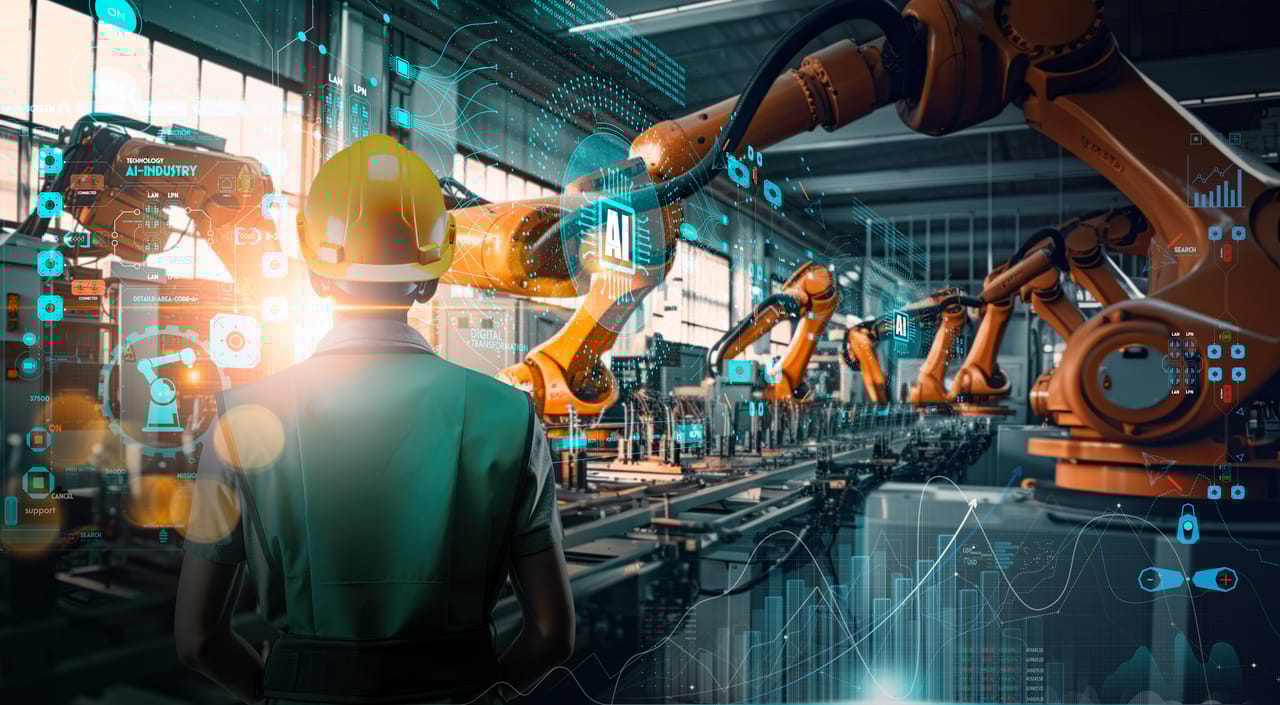
The future of engineering is not “AI vs Humans” — it is “AI + Humans.”
AI handles:
Speed
Large-scale data
Pattern recognition
Engineers provide:
Creativity
Innovation
Ethical responsibility
System-level thinking
Together, they create smarter, safer, and more efficient systems.
Final Thoughts
Artificial Intelligence is transforming engineering jobs by automating routine tasks, enhancing design capabilities, improving predictive maintenance, and creating entirely new career paths.
Rather than eliminating engineering roles, AI is elevating them — shifting the focus from manual work to strategic thinking and innovation.
Engineers who adapt and learn AI-driven tools will not just survive — they will lead the next industrial revolution.

Leave a Reply