SMART GRID TECHNOLOGY
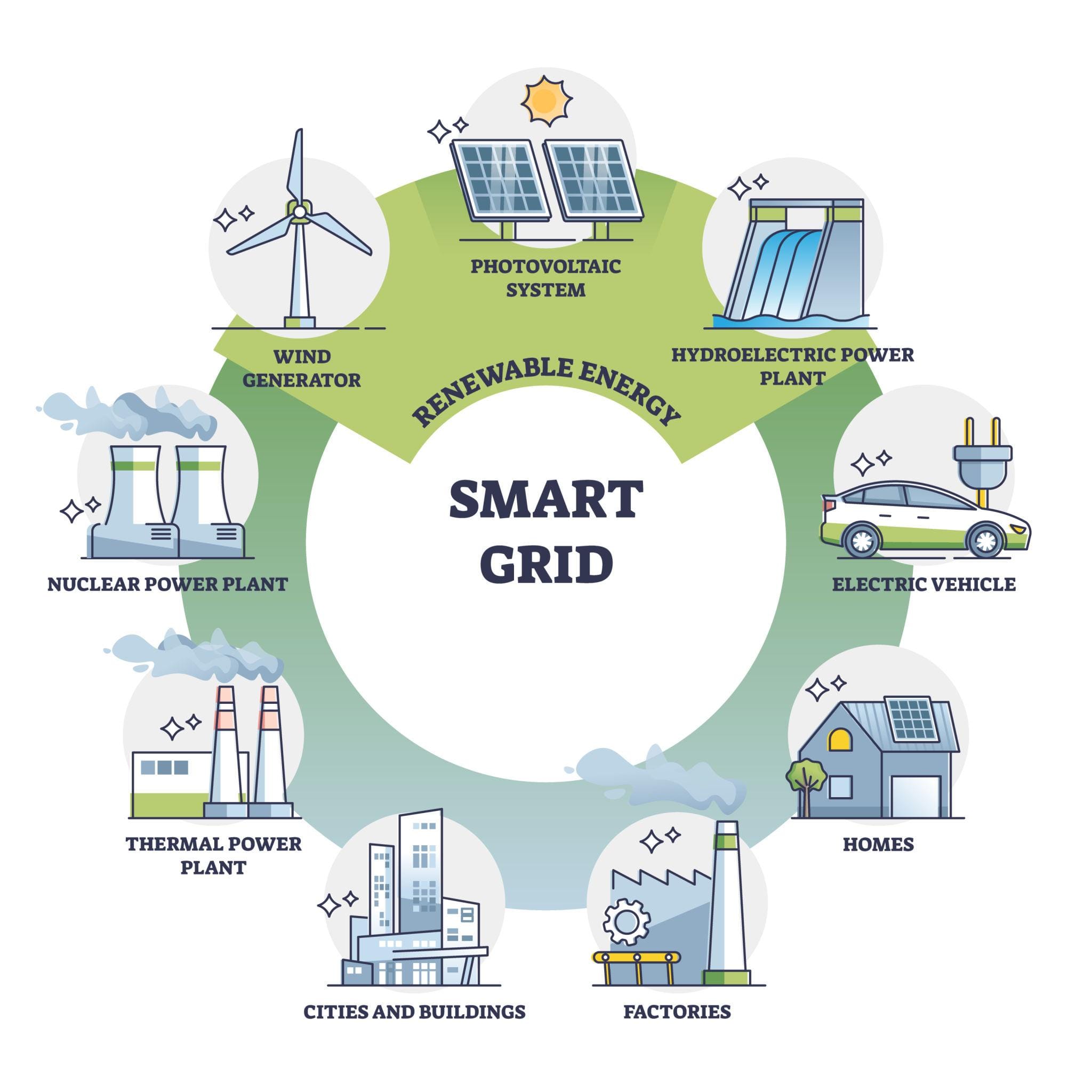
A Smart Grid is an advanced electricity network that uses digital communication, automation, sensors, and control systems to monitor and manage the generation, transmission, distribution, and consumption of electricity efficiently. It supports two-way flow of electricity and information.
It improves:
- Reliability
- Efficiency
- Power quality
- Renewable energy integration
- Consumer participation
It helps in efficient management of electricity from generation to consumption.
How Smart Grid Works
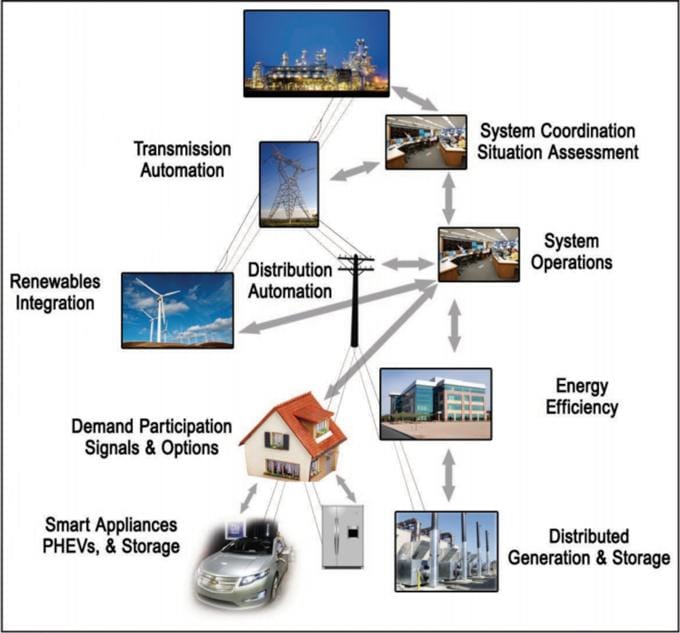
A Smart Grid works by combining electric power flow + real-time data + automated control to balance generation and demand efficiently.
1. Power Generation
Electricity is generated from:
- Conventional sources (coal, hydro, gas)
- Renewable sources (solar, wind)
These sources are connected to the grid and supply power continuously.
2. Data Collection (Sensing Layer)
- Smart meters and sensors (PMUs) collect real-time data:
- Voltage
- Current
- Frequency
- Power consumption
This data is collected from generation, transmission, and consumer sides.
3. Communication System
- Data is sent through communication networks (Wi-Fi, fiber optics, GSM, IoT)
- Enables two-way communication:
- Utility → Consumer
- Consumer → Utility
4. Data Processing & Control
- Control centers analyze data using:
- AI algorithms
- SCADA systems
- Energy Management Systems (EMS)
- Based on analysis, the system:
- Adjusts power generation
- Controls load demand
- Detects faults
5. Power Distribution
- Electricity is distributed to consumers based on demand
- Voltage and frequency are automatically maintained
6. Demand Response
- Smart Grid manages load by:
- Shifting non-essential loads
- Reducing peak demand
- Sending price signals to users
7. Integration of Renewable Energy
- Solar and wind are variable sources
- Smart Grid balances them using:
- Energy storage (batteries)
- Backup generation
- Load adjustment
8. Real-Time Power Balance
The Smart Grid continuously maintains this balance automatically.
9. Fault Detection & Self-Healing
- Sensors detect faults instantly
- System isolates the faulty section
- Power is restored quickly
10. Consumer Interaction
- Consumers can:
- Monitor energy usage
- Use smart appliances
- Sell excess solar energy (net metering)
Working Flow
Generation → Sensors → Communication → Control Center → Decision → Distribution → Consumer → Feedback → Repeat
👉 This creates a self-healing system
Components of Smart Grid
A Smart Grid is built from several interconnected components that enable real-time monitoring, control, and efficient power management.
(A) Smart Meters
- Measure electricity in real time
- Send data automatically
- Support prepaid billing
(B) Sensors & Intelligent Devices
- Detect faults
- Monitor voltage and frequency
- Examples: PMU, RTU
(C) Communication Network
- Connects power plants, substations, and consumers
- Uses:
- Fiber optics
- Wireless
- IoT
- Connects all grid components
- Uses technologies like fiber optics, wireless, IoT, GSM
- Enables fast data transfer and coordination
(D) SCADA System
- Real-time monitoring
- Remote control
- Fast fault response
- Central brain of the Smart Grid
- Uses:
- SCADA (Supervisory Control and Data Acquisition)
- EMS (Energy Management System)
- Performs monitoring, decision-making, and control
(E) Distributed Generation
- Solar rooftop
- Wind turbines
- Biomass
- Microgrids
(F) Energy Storage
- Batteries
- Pumped hydro
- EV storage
(G) Demand Response
- Consumers shift usage during peak time
Mathematical Relation, MATLAB programming & Simulink
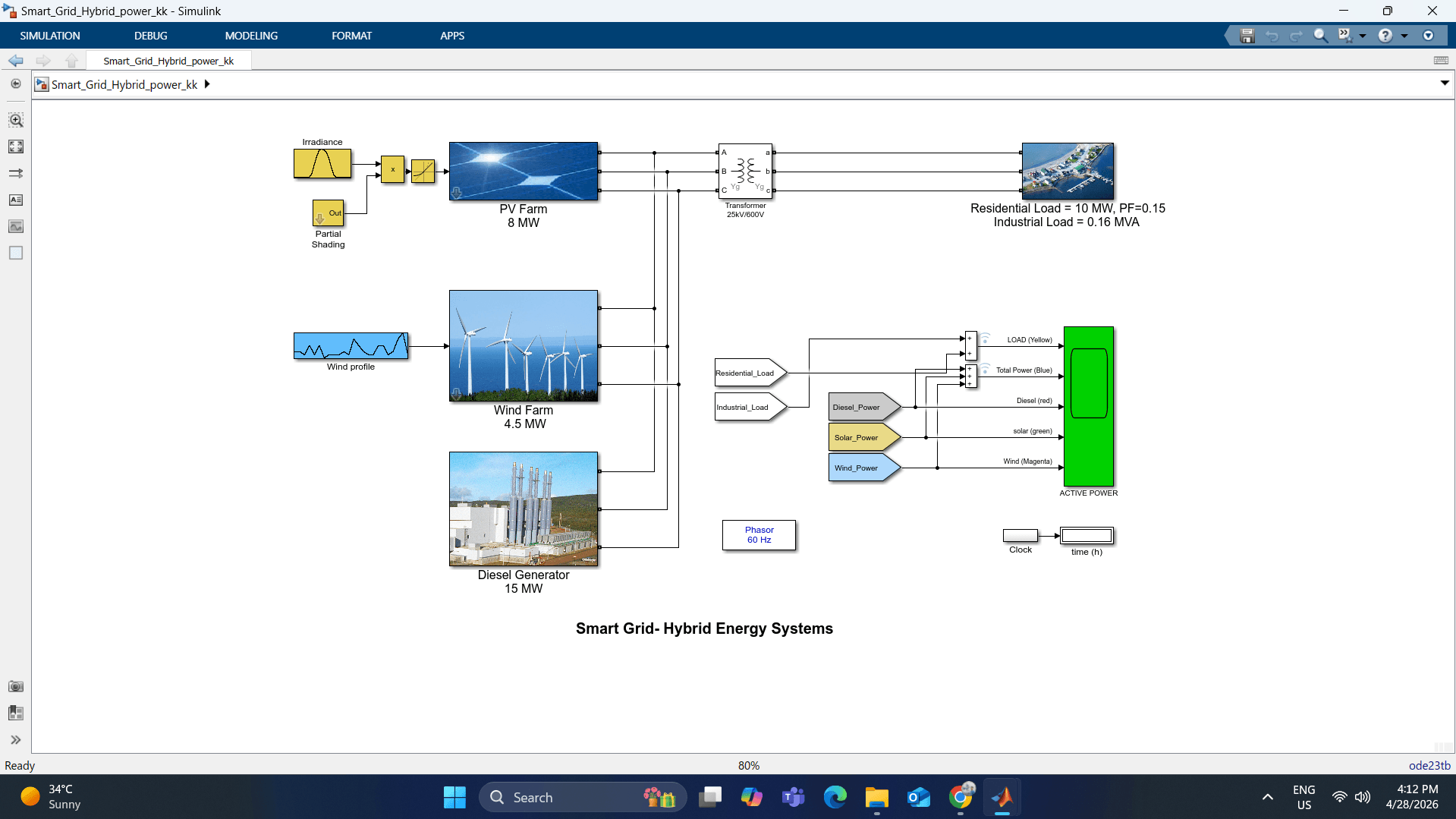
Where:
- = Power from grid
- = Total demand
- = Solar power (PV)
- = Wind power
Graphical Understanding
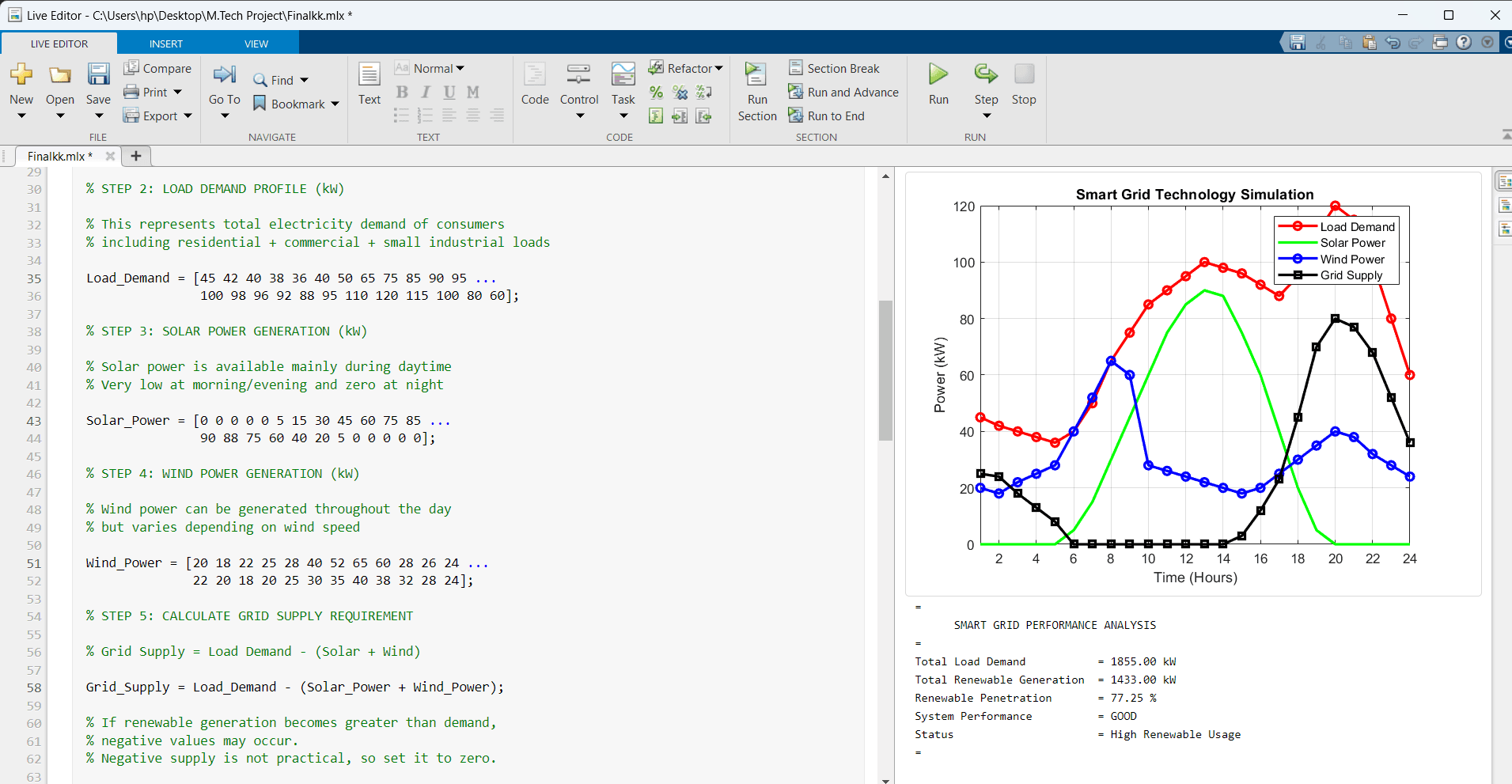
Case-wise Understanding
✅ Case 1: Renewable < Load Demand
- Solar + Wind is less than demand
- Grid supplies remaining power
👉 Example:
- Load = 100 kW
- Renewable = 60 kW
- Grid = 40 kW
✅ Case 2: Renewable = Load Demand
- Renewable fully meets demand
- Grid supply = 0
👉 System becomes self-sufficient
✅ Case 3: Renewable > Load Demand
- Extra power is generated
- Grid supply = 0
- Excess power is:
- Stored (battery) OR
- Sent back to grid (net metering)
Benefits of Smart Grid
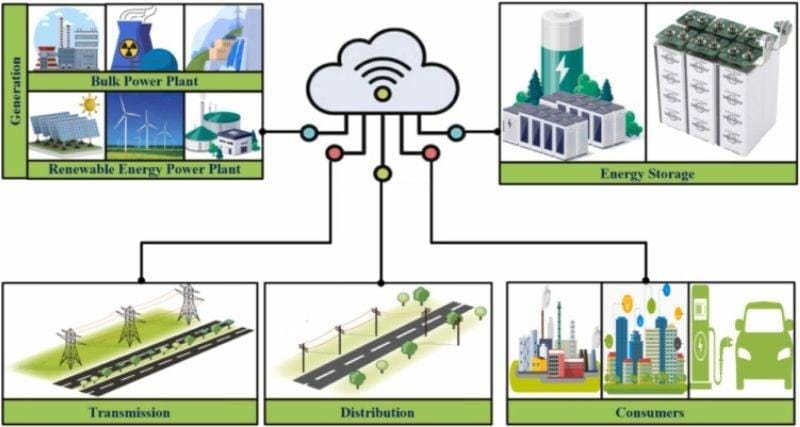
Smart Grid technology improves the traditional power system by making it intelligent, efficient, and reliable. Its benefits can be understood from technical, economic, and environmental perspectives.
Technical Benefits
- Reduced losses
- Better voltage control
- Faster fault detection
- High reliability
Economic Benefits
- Lower operational cost
- Reduced electricity theft
- Efficient billing
Environmental Benefits
- Supports solar & wind
- Reduces pollution
- Promotes clean energy
Consumer Benefits
- Real-time usage info
- Lower bills
- Better service
Future Scope of Smart Grid
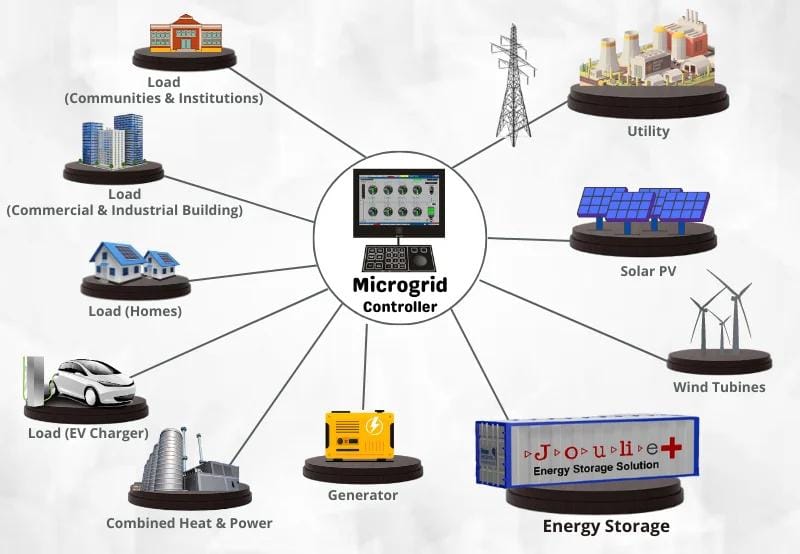
Smart Grid technology is the backbone of future power systems. With rapid advancements in digital technology and renewable energy, its scope is expanding globally.
High Renewable Energy Integration
- Integration of solar, wind, and hybrid systems will increase
- Smart Grid will manage intermittent energy sources efficiently
- Supports the transition to clean and green energy
Development of Smart Cities
- Smart Grid will be a core part of smart cities
- Enables efficient lighting, transport, and energy systems
- Improves urban living standards
Growth of Electric Vehicles (EVs)
- EV charging will be integrated with the grid
- Vehicle-to-Grid (V2G) technology will allow EVs to supply power
- Helps in balancing demand and storage
Advanced Energy Storage Systems
- Large-scale battery systems will store excess energy
- Ensures power availability during peak demand
- Improves grid stability and reliability
Use of Artificial Intelligence (AI) & IoT
- AI will enable:
- Load forecasting
- Fault prediction
- Automated decision-making
- IoT will connect all devices for real-time communication
Decentralized Power Generation
- Shift from centralized to distributed generation
- Growth of microgrids and rooftop solar systems
- Increased energy independence for consumers
Improved Cybersecurity
- Development of advanced security systems
- Protection against cyber threats
- Ensures safe and reliable grid operation
Digitalization & Automation
- Fully automated grid operations
- Self-healing systems for fault detection
- Reduced human intervention
Energy Efficiency & Demand Response
- Consumers will actively manage energy usage
- Use of smart appliances and pricing models
- Reduction in peak demand
Global Expansion & Policy Support
- Governments worldwide are investing in Smart Grids
- Policies support renewable integration and digital infrastructure
- Rapid adoption in developing countries like India
Smart Grid will support:
- EV charging networks
- AI-based control
- Battery storage systems
- Smart cities
- Green hydrogen
- Net-zero carbon Emmission
- SDG-7
👉 It will become the backbone of future energy systems
Status of Smart Grid in India
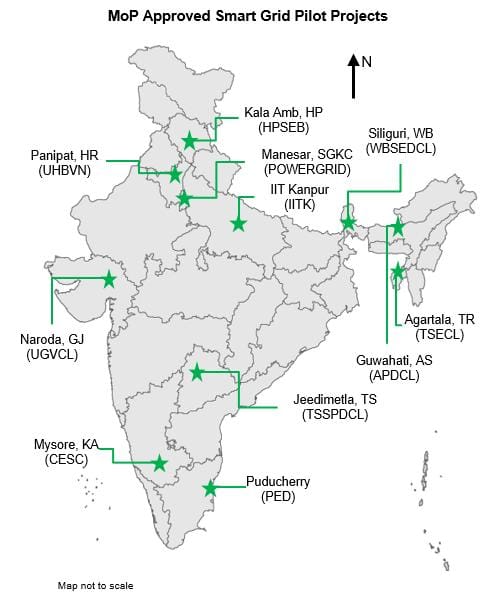
India is rapidly developing smart grids with support from:
- Government programs
- DISCOMs
- Power sector organizations
Current Progress
- Smart meters installation
- Renewable integration
- Smart substations
- Green Energy Corridors
Smart Grid Implementation Programs in India
- National Smart Grid Mission (NSGM)-Launched for modernization of Indian power systems.
- RDSS Scheme(Revamped Distribution Sector Scheme)Supports:
- Smart metering
- Loss reduction
- Distribution improvement
- Smart City Mission- Includes smart electricity systems
- Green Energy Corridor- Supports renewable energy transmission
Major Smart Grid Projects in India
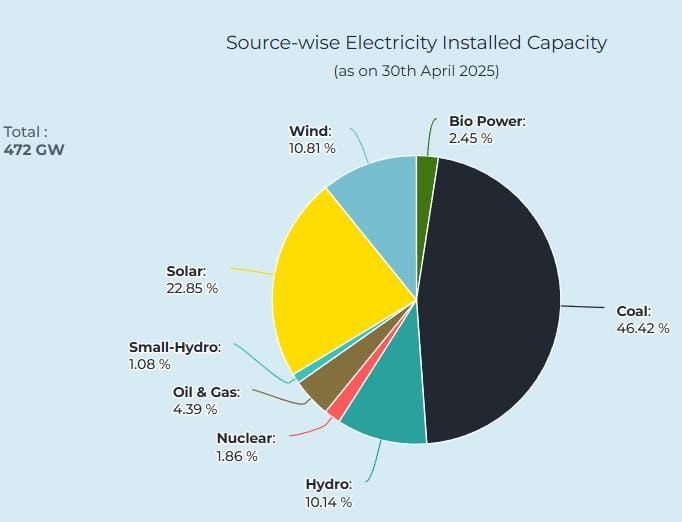
- Puducherry Smart Grid Pilot-One of the first pilot projects for smart meters and automation.
- Mysuru Smart Grid Project-Focused on:
- Smart metering
- Consumer participation
- Distribution automation
- Chandigarh Smart Grid-Advanced smart metering and control.
- Delhi Smart Meter Project-Large prepaid smart meter implementation.
- Gujarat Renewable Smart Grid-Strong solar and grid integration.
Smart Grid Projects in World
- USA → Advanced smart grid systems
- China → Ultra-high voltage transmission
- Germany → Renewable integration
- Japan → Disaster-resilient grid
- South Korea → Jeju Smart Grid
Existing Grid vs Smart Grid (Comparison)
| Parameter | Existing Grid | Smart Grid |
|---|---|---|
| Power Flow | One-way | Two-way |
| Communication | Limited | Real-time |
| Monitoring | Manual | Automatic |
| Fault Detection | Slow | Fast |
| Control | Manual | Automated |
| Reliability | Low | High |
| Renewable Integration | Difficult | Easy |
Simple Example
The existing grid has one-way power flow, manual monitoring, slow fault detection, and poor renewable integration. Smart Grid has two-way communication, smart meters, automation, fast fault detection, and better efficiency. Smart Grid is more reliable, flexible, and suitable for future energy systems
Existing Grid:
- The old grid system mainly depends on:
- Coal-based generation
- Manual fault handling
- Old transmission systems
- Limited consumer interaction
Problems:
- High losses
- Frequent outages
- Poor monitoring
- Difficult renewable integration
Smart Grid:
- The smart grid uses:
- Sensors
- Smart meters
- SCADA
- Automation
- AI and communication systems
Advantages:
- Better efficiency
- Fast fault correction
- Renewable energy support
- Consumer participation
👉 Called Self-Healing System
Power Sector Data
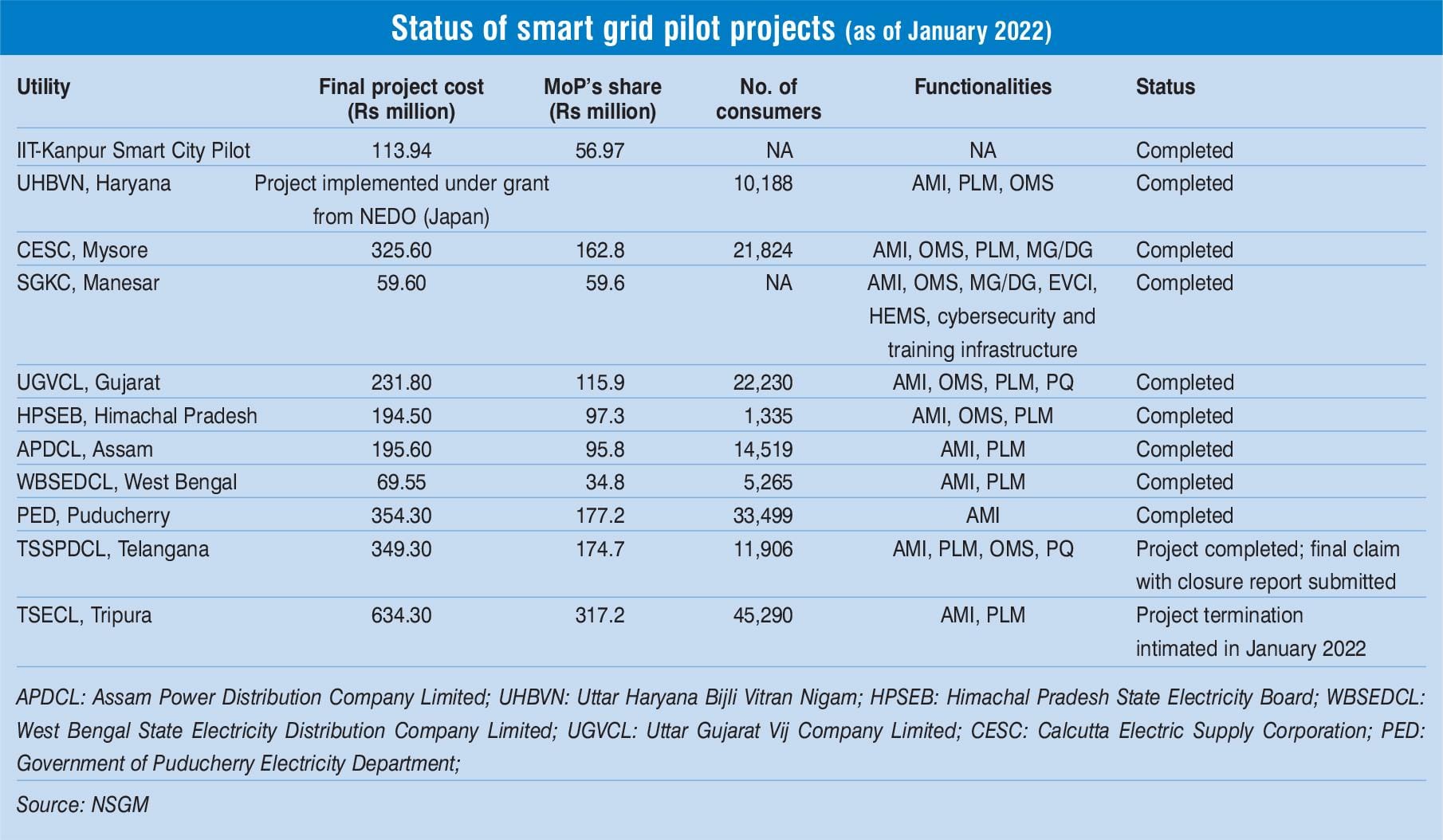
India Power Generation Capacity (Till March 2026)
According to Government of India data, total installed power generation capacity is around 520–533 GW (Gigawatt), depending on Jan–March 2026 reporting. As of 31 Jan 2026 it was 520.5 GW, and by March 2026 total non-fossil capacity reached 283.46 GW.
Source-wise Installed Capacity (Approx.)
| Source | Capacity (GW) | Share |
| Thermal (Coal + Gas + Lignite + Diesel) | 248–258 | ~48% |
| Solar Power | 150.26 | ~28% |
| Wind Power | 56.09 | ~10.5% |
| Hydro Power (Large + Small) | 56.5 | ~10% |
| Nuclear Power | 8.78 | ~1.7% |
| Biomass + Waste-to-Energy | ~11.7 | ~2% |
| Total | ~532 GW | 100% |
Solar capacity reached about 150 GW, and wind crossed 56 GW by March 2026.
- Total capacity: ~532 GW
- Solar: ~150 GW
- Wind: ~56 GW
- Thermal: ~48% share
Demand vs Supply
- Demand: 1869 BU
- Supply: 1845.9 BU
- Deficit: ~1.2%
👉 Peak demand: 250+ GW
Demand–Supply Position in India (Power Sector, FY 2025–26 up to March 2026)
The demand–supply position means the comparison between how much electricity consumers need (demand) and how much electricity power stations and the grid can provide (supply).
India’s power system is managed mainly by organizations such as Central Electricity Authority and Power Grid Corporation of India Limited.
- Electricity Demand in India
In FY 2025–26 (up to March 2026):
Total Energy Requirement (Demand)
1,869 Billion Units (BU) approx.
This includes demand from:
- Domestic users
- Industries
- Agriculture
- Railways
- Commercial buildings
- EV charging
- Data centers
Demand is increasing every year because of:
- Population growth
- Industrial development
- Urbanization
- Air conditioners and cooling load
- Electric vehicles
- Digital infrastructure
- Electricity Supply in India
Total Energy Supplied
1,845.9 Billion Units (BU)
This supply comes from:
- Thermal power plants
- Hydro power plants
- Solar parks
- Wind farms
- Nuclear stations
- Biomass plants
- Power Deficit (Gap)
Energy Shortage
Deficit=1869−1845.9
≈ 23 BU
Percentage Deficit
% Deficit=(23/1869)*100
≈ 1.2%
This means India is close to balancing demand and supply, but peak-time shortages still occur.
- Peak Demand Position
Maximum Peak Demand Recorded
Around 250+ GW
During summer months, peak demand becomes very high due to:
- Cooling load
- Irrigation pumps
- Industrial operation
- Festival and commercial usage
Sometimes local shortages happen even if annual supply looks balanced.
- Demand–Supply Improvement Measures
Government is improving balance through:
- Smart Grid implementation
- Renewable energy integration
- Battery Energy Storage Systems (BESS)
- Green Energy Corridors
- Ultra Mega Solar Parks
- Transmission network expansion
- Demand Side Management (DSM)
Issues in Present Grid System
The traditional power grid (conventional grid) faces several technical, operational, and economic problems due to increasing demand and lack of modern technologies.
Power Outages and Blackouts
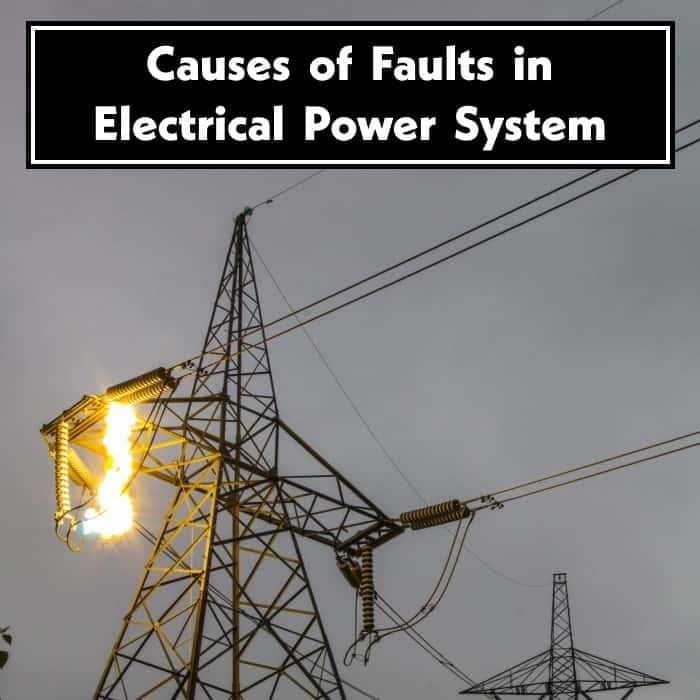
- Frequent power cuts due to faults or overload
- Slow fault detection and restoration
- Large-scale blackouts can occur
Energy Theft and Billing Issues
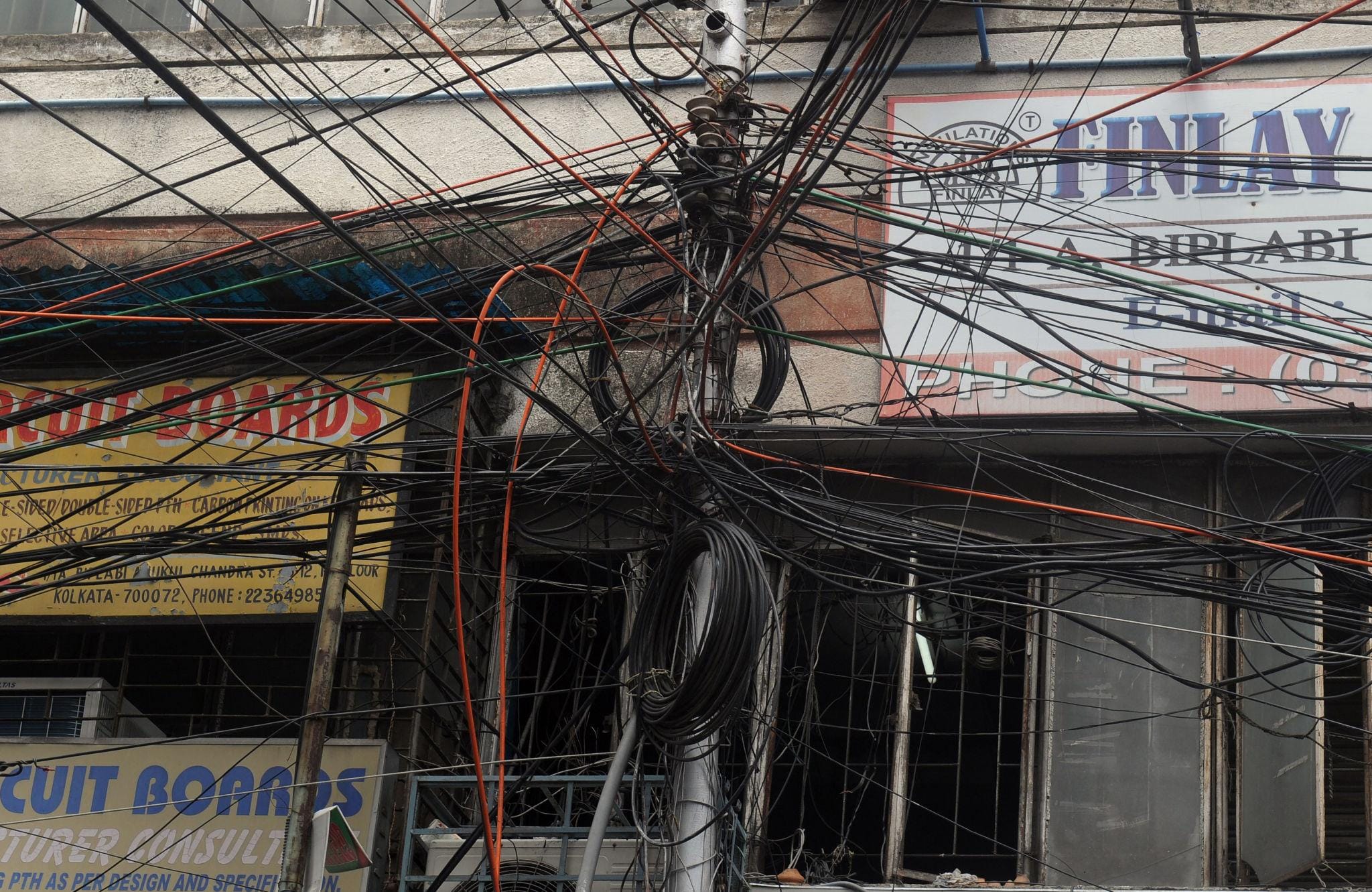
- Transmission and Distribution (T&D) Losses
A large amount of electricity is lost during transmission and distribution because of:
- Old transmission lines
- Poor infrastructure
- Overloaded transformers
- Power theft
- Technical losses
This increases the cost of electricity.
- Frequent Power Outages
Many areas still face:
- Voltage fluctuations
- Load shedding
- Blackouts
- Supply interruptions
This affects industries, hospitals, and households.
- Aging Infrastructure
Many substations, transformers, and transmission lines are old and need modernization.
Problems include:
- Low efficiency
- High maintenance cost
- Higher fault rate
- Difficulty in Renewable Energy Integration
Sources like:
- Solar power
- Wind power
are variable and intermittent.
This creates problems in:
- Frequency control
- Voltage stability
- Grid balancing
- Poor Demand Forecasting
Sometimes electricity demand is not predicted correctly, causing:
- Under-generation
- Over-generation
- System instability
- Lack of Real-Time Monitoring
Traditional grids have limited monitoring and slow fault detection.
This causes:
- Delayed response
- Longer outage duration
- Poor system control
Modern systems like SCADA help improve monitoring.
- Peak Load Problems
During summer and festival seasons:
- Demand becomes very high
This causes:
- Transformer overloading
- Voltage drop
- Grid stress
- Cybersecurity Risks
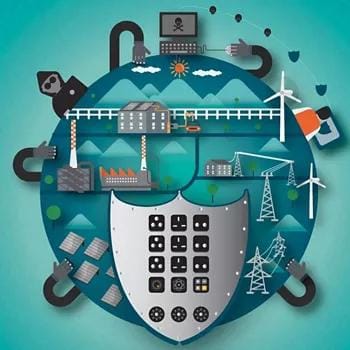

As grids become digital, risks increase from:
- Hacking
- Data theft
- Control system attacks
This is a major challenge for smart grids.
- Environmental Issues
Heavy dependence on:
- Coal-based thermal plants
causes:
- Air pollution
- Carbon emissions
- Climate impact
This increases pressure to shift toward clean energy.
- High Operational Cost
Fuel cost, maintenance cost, and infrastructure investment make grid operation expensive.
Solution Direction
These problems can be reduced by using:
- Smart Grid Technology
- Renewable Energy Integration
- Energy Storage Systems
- Advanced Metering Infrastructure (AMI)
- Automation and AI-based control
Challenges in Smart Grid Technology
1. High Initial Cost
- Smart grid requires advanced equipment like smart meters, sensors, communication systems, and automation devices.
- The installation and upgrading of existing infrastructure demand huge capital investment.
- Developing countries like India face budget constraints.
2. Cybersecurity Risks
- Smart grids rely heavily on digital communication networks.
- This makes them vulnerable to cyber-attacks, hacking, and data theft.
- Ensuring secure communication and data privacy is a major concern.
3. Complex System Integration
Importance of Smart Meter,Sensors,Net metering
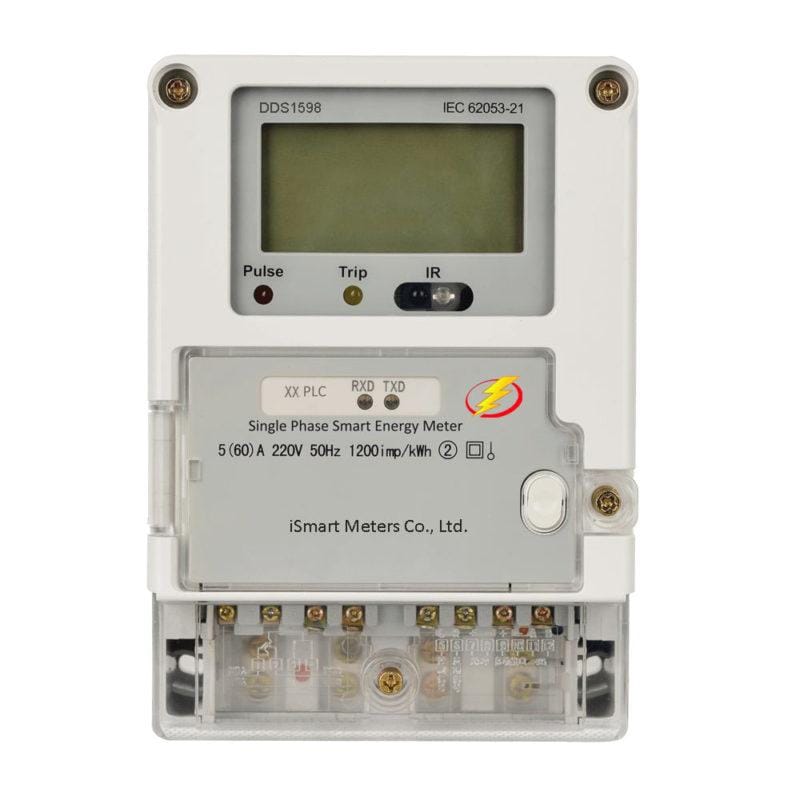
Sensors
- Real-time monitoring
- Accurate billing
- Theft detection
- Time-based tariff
- Remote control
Sensors
- Fault detection
- Real-time monitoring
- Preventive maintenance
- Voltage & frequency control
Importance of Net Metering
- Supports rooftop solar
- Reduces electricity bill
- Promotes clean energy
Formula
Net Bill = Imported Energy − Exported Energy
Example
- Consumption = 500 units
- Solar export = 300 units
- Bill = 200 units
Role of AI, IoT & Data
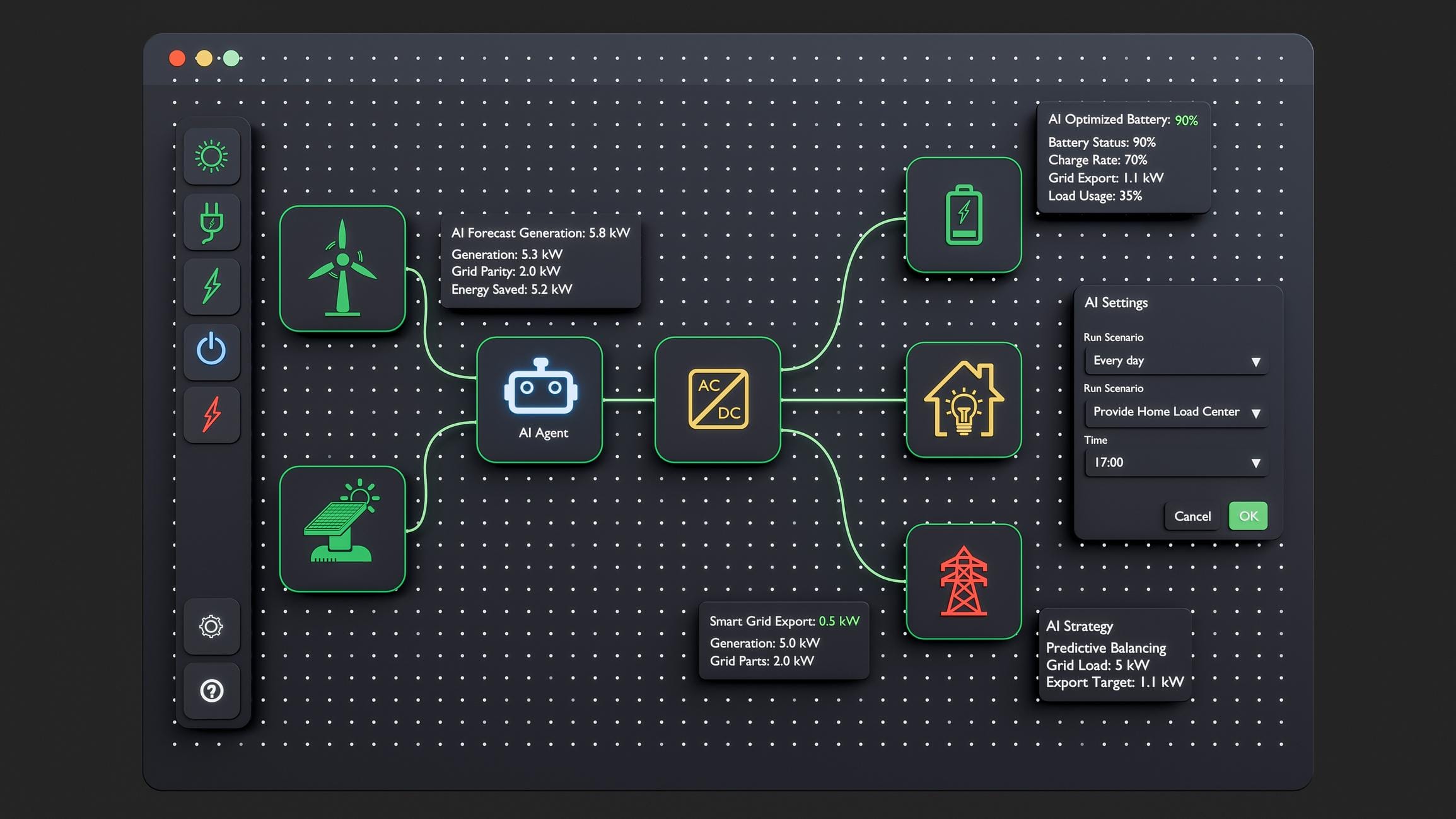
- AI → Load forecasting, fault prediction
- IoT → Real-time data collection
- Big Data → Better decision making
Smart Grid is the future of power systems because it:
- Improves efficiency
- Reduces losses
- Supports renewable energy
- Enhances reliability
👉 It is essential for:
- Energy security
- Smart cities
- Sustainable development
Conclusion of Smart Grid Technology
Smart Grid technology represents a major transformation of the traditional power system into a more intelligent, efficient, and reliable network. It enables real-time monitoring, two-way communication, and better integration of renewable energy sources like solar and wind.
Although there are challenges such as high initial cost, cybersecurity risks, system complexity, and lack of awareness, these issues can be effectively addressed through advanced technologies (AI, IoT, cloud computing), strong government policies, proper standardization, and consumer participation.
In the long run, Smart Grid plays a crucial role in:
- Improving energy efficiency and reliability
- Supporting sustainable and clean energy integration
- Reducing power losses and operational costs
- Empowering consumers with better control over energy usage
👉 Overall, Smart Grid is a key solution for the future of modern power systems, helping to build a sustainable, secure, and smart energy infrastructure for growing energy demands.
Frequently Asked Questions (FAQ) on Smart Grid Technology
1. What is a Smart Grid?
A Smart Grid is an advanced electricity network that uses digital technology, communication systems, and automation to monitor and manage power flow efficiently.
2. How is a Smart Grid different from a traditional grid?
A traditional grid has one-way communication, while a Smart Grid uses two-way communication, real-time monitoring, and automated control for better efficiency and reliability.
3. What are the main components of a Smart Grid?
- Smart meters
- Sensors (PMUs)
- Communication networks
- Control systems
- Renewable energy sources
- Energy storage systems
4. Why is Smart Grid important?
It improves efficiency, reduces power losses, integrates renewable energy, and ensures reliable electricity supply.
5. What is the role of smart meters?
Smart meters measure electricity consumption in real-time and help in accurate billing, demand management, and energy saving.
6. What is Net Metering?
Net metering allows consumers to send excess electricity (from solar panels) back to the grid and receive credits or payment.
7. How does Smart Grid support renewable energy?
It balances fluctuating renewable sources like solar and wind by using storage systems and intelligent control.
8. What happens when renewable generation is higher than load demand?
Excess energy is stored in batteries, sent back to the grid, or used for flexible loads.
9. What are the benefits of Smart Grid?
- Improved reliability
- Reduced outages
- Better energy efficiency
- Integration of renewable energy
- Real-time monitoring
10. What are the challenges of Smart Grid?
- High installation cost
- Cybersecurity risks
- Complex system management
- Need for skilled workforce
11. What is the role of AI in Smart Grid?
Artificial Intelligence helps in load forecasting, fault detection, demand response, and optimizing grid operations.
12. What is IoT in Smart Grid?
IoT connects devices like meters and sensors to collect and share real-time data for better control and monitoring.
13. What is the status of Smart Grid in India?
India is developing Smart Grid through initiatives like the National Smart Grid Mission and smart meter programs.
14. What is a PMU (Phasor Measurement Unit)?
A PMU is a device that measures electrical waves in real-time to monitor grid stability and performance.
15. Can Smart Grid reduce power cuts?
Yes, Smart Grid can detect faults quickly and restore power faster, reducing outages.
16. What is Demand Response in Smart Grid?
Demand response adjusts consumer electricity usage based on supply conditions to maintain balance in the grid.
17. What is the future of Smart Grid?
Smart Grid will support smart cities, electric vehicles, and 100% renewable energy systems.
18. Is Smart Grid environmentally friendly?
Yes, it reduces carbon emissions by enabling renewable energy and efficient energy use.
19. What is the basic power balance in Smart Grid?
Pgeneration=Pload+Ploss+Pstorage
20. Is Smart Grid useful for consumers?
Yes, it provides better control over energy usage, reduces electricity bills, and improves service reliability.
Leave a Reply