• Skip to primary navigation
  • Skip to main content
  • Skip to footer

OHMSITE

News Blogs

  • Home
  • Tech Blogs
  • Non-Tech Blogs
  • Finance
  • About us
    • Privacy Policy
    • Contact us
    • Terms & Conditions
    • Disclaimer
      • Login
        • login page

kundan

Gender Discrimination: Treating Everyone Fairly

September 4, 2023 By kundan Leave a Comment

Gender Discrimination


Gender discrimination means treating someone unfairly because of their gender. It happens when people think that one gender is better than the other or when they believe that boys and girls, or men and women, should do different things.

Unfairness Throughout History

It has been around for a long time. In the past, people used to believe that boys were smarter than girls or that women should only do certain jobs. This unfairness affected how girls and women were treated.

What It Looks Like Today

Today, It can still be seen in many places. For example, some people think that certain jobs are only for men, while others are only for women. This means that men and women don’t always get the same chances.

Discrimination at Work


Gender Discrimination

At work, some women may be paid less than men for doing the same job. This isn’t fair. Men and women should be paid the same if they’re doing the same work. Also, some people don’t give promotions to women just because they’re women. This is also unfair.

Stereotypes in Media

The media, like TV shows and movies, sometimes show unfair ideas about how men and women should behave. For instance, they might show that girls should like pink and boys should like blue. This isn’t right because everyone should be free to like what they want.

Why It Matters

It isn’t just unfair; it also causes problems in society. When people are treated unfairly because of their gender, it can make them sad or angry. It can also stop them from reaching their goals.

What We Can Do

We can all help stop it. We can treat everyone fairly, no matter if they are a boy or a girl, a man or a woman. We can also speak up when we see unfairness happening around us. And we can support laws and rules that make sure everyone gets treated equally.

In the end, it’s important to remember that being fair to everyone, no matter their gender, makes the world a better and happier place for us all.

Promoting Equality


Gender Discrimination

To stop gender discrimination, we must work together to promote equality. Here are some things we can do:

Education and Awareness

Education is a powerful tool against discrimination. Schools can teach us that everyone is equal, no matter their gender. We can learn to respect and appreciate each other’s differences. When we’re aware of discrimination, we can speak up and help make things better.

Challenging Stereotypes

Stereotypes are unfair beliefs about how people of a certain gender should act or look. We should challenge these stereotypes. Boys can like cooking, and girls can be great scientists. When we break these stereotypes, we give everyone the freedom to be themselves.

Supporting Each Other

We should support each other in our choices. If someone wants to be a nurse, they should be supported, whether they’re a man or a woman. If a boy loves dancing, that’s wonderful, and if a girl wants to be a pilot, she should be encouraged.

Equal Opportunities

We need to make sure everyone has the same chances in life. This means giving men and women the same opportunities at work and in education. It also means not treating someone differently because of their gender.

Laws Against Discrimination

Many countries have laws that say discrimination is wrong. These laws protect people from unfair treatment based on their gender. It’s important to know these laws and make sure they are followed.


What is the main issue of gender discrimination & their types?

Gender Discrimination

It encompasses the unjust treatment of an individual due to their gender, manifesting in various ways, which include:

  1. Wage Inequality: Frequently, women receive lower compensation than their male counterparts for identical job roles.
  2. Sexual Harassment: This entails unwelcome sexual advances or actions that lead to a hostile and uncomfortable atmosphere in the workplace.
  • Assault: Physical or verbal attacks on someone based on their gender.
  • Occupational segregation: Women are often concentrated in lower-paying, less-prestigious jobs.
  • Lack of representation: Women are underrepresented in leadership positions in many industries.

These are just a few examples of it. It can have a profound impact on people’s lives, affecting their career opportunities, financial security, and overall well-being.

There are many reasons why it persists. Some of these reasons include:

  • Gender stereotypes: These are the beliefs that certain traits are associated with men and women. For example, the stereotype that women are less assertive than men can lead to women being passed over for promotions.
  • Unconscious bias: This is when people make decisions based on their unconscious beliefs and attitudes. For example, a hiring manager may be more likely to hire a man for a job if they believe that men are better at math.
  • Lack of awareness: Many people are not aware of the extent of gender discrimination. This can make it difficult to challenge and change.

There are a number of things that can be done to address it. These include:

  • Education: Raising awareness of gender discrimination is an important first step. This can be done through training programs, public awareness campaigns, and other initiatives.
  • Policy changes: Laws and regulations can be put in place to protect people from gender discrimination. This includes laws that prohibit pay disparity and sexual harassment.
  • Corporate responsibility: Businesses can take steps to promote gender equality in the workplace. This includes providing equal pay, family-friendly policies, and opportunities for advancement.
  • Individual action: Everyone can play a role in challenging gender discrimination. This includes speaking up when you see it happening and supporting organizations that are working to combat it.

It is a complex issue, but it is one that we can overcome. By working together, we can create a more just and equitable world for all.


Gender discrimination in society

Gender discrimination in society is a deeply ingrained issue that persists in various forms, despite ongoing efforts to combat it. This pervasive problem stems from long-standing stereotypes, biases, and societal norms that assign roles and expectations based on one’s gender. It is imperative to understand the multifaceted nature of gender discrimination and work collectively to eliminate it.

One significant aspect of gender discrimination is unequal opportunities in education and the workplace. Historically, women have been underrepresented in certain fields and leadership positions, facing lower pay and limited career progression opportunities compared to their male counterparts. This wage gap, often referred to as the gender pay gap, highlights systemic discrimination that persists today.

Moreover, gender discrimination extends into social and cultural spheres. Stereotypes perpetuate harmful beliefs about what it means to be masculine or feminine, pressuring individuals to conform to predefined gender norms. This can lead to discrimination against those who do not fit these molds, including transgender and gender-nonconforming individuals.

In many societies, gender-based violence remains a pervasive issue. Women and girls are disproportionately affected by various forms of violence, such as domestic violence, sexual harassment, and human trafficking. These acts not only harm individuals but also perpetuate a culture of fear and inequality.

Additionally, gender discrimination can manifest in healthcare, where biases may affect diagnoses and treatment plans. Women’s health concerns, in particular, have been historically overlooked or misunderstood, leading to disparities in healthcare access and outcomes.

Efforts to combat gender discrimination have made progress in some areas, with legal frameworks in place to protect against gender-based discrimination in many countries. However, true change requires collective action, challenging stereotypes, promoting gender equality education, and fostering inclusive workplaces and communities.


Conclusion

It is not fair, and it hurts everyone. By treating each other with respect, challenging stereotypes, and supporting equal opportunities, we can make the world a better place for everyone, regardless of their gender. Together, we can build a future where fairness and equality are the norm, and it is a thing of the past.


Q1: What is gender discrimination?

A1: It refers to unfair treatment or prejudice against individuals based on their gender, typically favoring one gender over the other or imposing stereotypes and limitations on individuals due to their gender.

Q2: How does it manifest in society?

A2: It can manifest in various ways, including unequal pay, limited access to education and job opportunities, sexual harassment, stereotypes, and biased expectations about behavior and roles based on one’s gender.

Q3: Is it only harmful to women?

A3: No, it affects both men and women. While women have historically faced more systemic discrimination, men can also experience discrimination related to gender, such as stereotypes about their emotional expression or caregiving roles.

Q4: What is the difference between gender discrimination and sexism?

A4: Gender discrimination is the broader concept that encompasses unequal treatment based on gender, whereas sexism specifically refers to attitudes, beliefs, and practices that favor one gender (usually men) over the other (usually women).

Q5: Are there laws against it?

A5: Yes, many countries have laws and regulations aimed at preventing and addressing it. These laws often cover areas like employment, education, and public accommodations. International agreements like the Convention on the Elimination of All Forms of Discrimination Against Women (CEDAW) also address gender discrimination.

Q6: How can individuals combat it?

A6: Individuals can combat it by raising awareness, challenging stereotypes, supporting policies and organizations that promote gender equality, and actively working to eliminate discrimination in their personal and professional lives.

Q7: Can it affect mental health?

A7: Yes, it can have a significant impact on mental health. It can lead to stress, anxiety, depression, and other mental health issues for those who experience it. Addressing gender discrimination is crucial for overall well-being.

Q8: What are some examples of workplace it?

A8: Workplace it can include unequal pay for the same job, sexual harassment, promotion or hiring biases, limiting career opportunities based on gender, and creating a hostile work environment.

Q9: How can organizations promote gender equality?

A9: Organizations can promote gender equality by implementing policies and practices that ensure equal pay, offering training on diversity and inclusion, addressing harassment, and actively working to diversify their leadership and workforce.

Q10: Can gender discrimination intersect with other forms of discrimination?

A10: Yes, it can intersect with other forms of discrimination, such as racial discrimination or discrimination based on sexual orientation. This intersectionality can result in unique challenges and experiences for individuals who face multiple forms of discrimination.

Remember that these answers provide a general overview of gender discrimination, and the specific legal and social context can vary from one location to another. It’s important to consult local laws and resources for more detailed information on this topic.


If you want to prepare Essay then click here to know more Essay topics

Filed Under: Essay Tagged With: Essay, Essay on Global Warming and Its Effects, The Role of Women in Society: Women's Empowerment Essay, What message does Shruti Sharma's success send to society, Write an Essay on "The ongoing farmers' protests" in 500 words

The Challenges of Globalization

August 30, 2023 By kundan Leave a Comment

The Challenges of Globalization


Introduction

Globalization, the interconnectedness of nations through trade, technology, and cultural exchange, has brought about significant benefits. However, it has also ushered in a range of challenges that affect economies, societies, and the environment worldwide. In this article, we will explore the multifaceted challenges posed by it.

Economic Challenges

Essay-The Challenges of Globalization

Income Inequality

One of the most prominent economic challenges of it is the growing income inequality. While it has lifted many out of poverty, it has also concentrated wealth in the hands of a few. This disparity can lead to social unrest and instability.

Job Displacement

It often involves the outsourcing of jobs to countries with lower labor costs. While this can reduce production costs for businesses, it can lead to job loss and wage stagnation in developed countries.

Environmental Challenges

Climate Change

The globalization of trade and transportation has contributed to increased greenhouse gas emissions. The extensive movement of goods across the globe has a significant carbon footprint, exacerbating climate change.

Resource Depletion

It has intensified the consumption of finite resources, such as fossil fuels and minerals. The increased demand for these resources can lead to depletion and environmental degradation.

Cultural Challenges

Cultural Homogenization

The spread of global media and consumer culture has led to cultural homogenization, where local traditions and languages are marginalized or lost. This can erode cultural diversity and heritage.

Cultural Conflict

Simultaneously, it can foster cultural clashes, as differing values and beliefs collide. This can lead to tension and conflict between cultures and communities.

Political Challenges


Loss of Sovereignty

Essay-The Challenges of Globalization

It can challenge the sovereignty of nation-states. International agreements and organizations often exert influence over domestic policies, leading to concerns about national autonomy.

Regulatory Gaps

The rapid movement of goods and capital across borders can create regulatory gaps. This allows businesses to exploit differing regulations and avoid taxes, leading to unfair practices and economic imbalances.

Healthcare Challenges

Global Health Risks

It has made the world more susceptible to pandemics and health crises. Diseases can spread rapidly across borders, challenging healthcare systems and response efforts.

Healthcare Inequality

Access to healthcare is not evenly distributed globally. While some regions benefit from advanced medical technologies, others lack even basic healthcare services. Globalization can exacerbate these disparities.

Conclusion

It is a double-edged sword, bringing about both opportunities and challenges. While it has driven economic growth and cultural exchange, it has also widened income inequality, accelerated environmental degradation, and created cultural and political tensions. Addressing the challenges of globalization requires international cooperation, responsible policies, and a commitment to mitigating its negative impacts. By doing so, we can harness the benefits of globalization while minimizing its adverse effects, ultimately working towards a more equitable and sustainable globalized world.


What is globalization and what does it do?

Essay-The Challenges of Globalization

Globalization is the process of increasing interconnectedness and interdependence between people, companies, and governments of different countries. It is driven by the rapid growth of international trade, investment, technology, and communication.

Globalization has many different dimensions, including: importance of globalization

  • Economic globalization: This refers to the increasing integration of national economies through trade, investment, and financial flows.
  • Political globalization: This refers to the increasing cooperation and coordination between governments on issues such as trade, security, and the environment.
  • Cultural globalization: This refers to the spread of ideas, values, and cultural practices across national borders.
  • Environmental globalization: This refers to the growing awareness of and concern about global environmental problems such as climate change and pollution.

It has both positive and negative effects. On the positive side, it can promote economic growth, reduce poverty, and improve standards of living. It can also lead to greater cultural understanding and tolerance.

On the negative side, globalization can lead to job losses in developed countries, as companies move their operations to countries with lower labor costs. It can also lead to environmental degradation and the spread of diseases.

Overall, the effects of globalization are complex and far-reaching. It is a process that is still evolving, and its ultimate impact is still uncertain.

Here are some examples

  • A company in the United States opens a factory in China.
  • A student in India watches a movie made in Hollywood.
  • A doctor in Brazil uses a medical device made in Germany.
  • A family in Kenya uses a mobile phone to stay in touch with relatives in the United States.
  • A group of environmental activists from different countries work together to raise awareness about climate change.

These are just a few examples of the many ways in which it is shaping our world. It is a complex and dynamic process that is having a profound impact on our lives.


What are the 5 effects of globalization?

Here are 5 effects of it:

Essay-The Challenges of Globalization

  1. Economic growth: It can promote economic growth by increasing trade and investment between countries. This can lead to lower prices for consumers, increased competition, and innovation.
  2. Reduced poverty: It can help to reduce poverty by increasing economic opportunities in developing countries. This can lead to higher incomes, better education, and improved health care.
  3. Improved standards of living: It can lead to improved standards of living by making goods and services more affordable and accessible. This can also lead to increased access to education and healthcare.
  4. Greater cultural understanding and tolerance: It can lead to greater cultural understanding and tolerance by bringing people from different cultures into contact with each other. This can help to break down stereotypes and prejudices.
  5. Environmental degradation: It can lead to environmental degradation by increasing the production and consumption of goods and services. This can lead to increased pollution, deforestation, and climate change.

Above given 5 effects of globalization are important

It is important to note that the effects of globalization are complex and vary depending on the country or region. Some countries may experience more positive effects than others. Additionally, the effects of globalization can also be influenced by other factors, such as government policies and the level of development.

Overall, it is a complex process with both positive and negative effects. It is important to be aware of these effects in order to make informed decisions about how to manage globalization.


When did globalization start?

Essay-The Challenges of Globalization

It is a long and complex process, and there is no single answer to the question of when it started. Some historians argue that globalization began with the earliest human migratory routes, or with Genghis Khan’s invasions, or travel across the Silk Road. Others argue that the first wave of globalization began with the gold standard in the 1800s.

The commencement of the “second wave of it” was marked in 1944, culminating its course in 1971. Following this, the world entered into the third phase of globalization, which initiated in 1989 and persists to this day.

Throughout the annals of it, several pivotal junctures have emerged, contributing significantly to its historical trajectory:

Globalization examples

  1. The 15th Century: The European discovery of the Americas burgeoned global trade and facilitated increased interactions between Europe and the rest of the world.
  2. The 19th Century: The onset of the Industrial Revolution catalyzed a surge in international trade and investments.
  3. The 20th Century: Despite a setback during the two World Wars, it experienced a resurgence in the aftermath of these conflicts.
  • The 1980s: The introduction of new technologies, such as the internet and container shipping, led to a new wave of it.
  • The 21st century: It has continued to accelerate, driven by factors such as the rise of China and India, the expansion of free trade agreements, and the growth of multinational corporations.

It is important to note that it is a complex process, and there is no single definition of it. The term is often used to describe the increasing interconnectedness and interdependence of the world’s economies, cultures, and societies. It is driven by a number of factors, including technological advances, economic growth, and political changes.

The effects of there are also complex and far-reaching. it can have both positive and negative effects on countries and individuals. Some of the potential benefits of it include economic growth, increased trade and investment, and improved standards of living. Some of the potential risks of it include job losses, environmental degradation, and cultural homogenization.

Overall, it is a complex and dynamic process that is having a profound impact on the world. It is a process that is still evolving, and its ultimate impact is still uncertain.


Read more Essay Click Here

Filed Under: Essay

Exploring the Fury and Impact of Hurricanes in Florida

August 28, 2023 By kundan Leave a Comment

Hurricanes in Florida


Introduction

When it comes to natural disasters, few can rival the sheer destructive power of hurricanes. These massive storms, born over warm ocean waters, have the potential to wreak havoc on coastal communities and even penetrate further inland. In this article, we will delve into the world of hurricanes, with a particular focus on the state of Florida. Known for its vulnerability to these storms, Florida has a long and storied history of dealing with their devastating effects.

Understanding Hurricanes

What Are Hurricanes?


Hurricanes in Florida

Before diving into the specifics of hurricanes in Florida, let’s first understand what hurricanes are.

A hurricane is a massive storm system characterized by strong winds, heavy rainfall, and low-pressure centers. They are categorized based on their intensity, with Category 1 being the least severe and Category 5 being the most destructive.

The Birth of a Hurricane

Hurricanes typically form over warm ocean waters, where moist air rises and creates an area of low pressure. This low-pressure area then sucks in surrounding air, which begins to spiral due to the Earth’s rotation.

The Anatomy of a Hurricane

A hurricane consists of several key components, including the eye, eyewall, and rainbands. Understanding these parts is crucial in grasping their destructive potential.

Florida: A Hurricane Hotspot


Hurricanes in Florida

The Geography of Vulnerability

Florida’s unique geography makes it particularly susceptible to hurricanes. Surrounded by warm waters on three sides, it acts as a magnet for these storms.

Historic Hurricanes

Florida has a long history of hurricanes, with some of the most memorable ones being Hurricane Andrew in 1992, Hurricane Wilma in 2005, and Hurricane Irma in 2017. These storms left indelible marks on the state and its residents.

Preparing for the Onslaught

Evacuation Plans

In Florida, hurricane preparedness is a way of life. Residents are encouraged to have evacuation plans in place, complete with designated shelters and routes.

Stocking Up on Supplies

Another essential aspect of hurricane readiness is stocking up on supplies. This includes non-perishable food, water, flashlights, batteries, and first-aid kits.

Coping with the Aftermath

Devastation and Recovery

The aftermath of a hurricane can be truly devastating. Homes are destroyed, power is knocked out, and communities are left reeling. Recovery efforts can take years.

Lessons Learned

Each hurricane that hits Florida brings valuable lessons. These lessons are used to improve preparedness, response, and recovery strategies for future storms.


Here are the active hurricanes in the Atlantic as of August 28, 2023:

  • Hurricane Franklin is located about 175 miles west-southwest of the Azores. It is a Category 1 hurricane with maximum sustained winds of 80 mph. Franklin is moving west-northwest at 18 mph.
  • Tropical Storm Idalia is located about 1,175 miles east of the Windward Islands. It is a tropical storm with maximum sustained winds of 65 mph. Idalia is moving west-northwest at 16 mph.

There are currently no active hurricanes in the North Atlantic, Caribbean Sea, or Gulf of Mexico. The Atlantic hurricane season runs from June 1 to November 30.

The most recent hurricane to make landfall in Florida was Hurricane Elsa in July 2022. Elsa was a Category 1 hurricane when it made landfall near Cedar Key, Florida. It caused widespread power outages and flooding, but no deaths were reported.

Other recent hurricanes that have made landfall in Florida include:

Hurricane Michael (2018): Category 4 hurricane, caused extensive damage in the Panhandle

Hurricane Irma (2017): Category 5 hurricane, caused widespread damage in the Keys and Miami

Sure. There are currently no active hurricanes in the North Atlantic, Caribbean Sea, or Gulf of Mexico. The Atlantic hurricane season runs from June 1 to November 30.

Atlantic hurricane season

The most recent hurricane to make landfall in Florida was Hurricane Elsa in July 2022. Elsa was a Category 1 hurricane when it made landfall near Cedar Key, Florida. It caused widespread power outages and flooding, but no deaths were reported.

Other recent hurricanes that have made landfall in Florida include:

  • Hurricane Michael (2018): Category 4 hurricane, caused extensive damage in the Panhandle
    Hurricane Michael (2018) in Florida
  • Hurricane Irma (2017): Category 5 hurricane, caused widespread damage in the Keys and Miami
    Hurricane Irma (2017) in Florida
  • Hurricane Matthew (2016): Category 4 hurricane, caused extensive damage in the Jacksonville area
    Hurricane Matthew (2016) in Florida
  • Hurricane Wilma (2005): Category 5 hurricane, caused extensive damage in South Florida
    Hurricane Wilma (2005) in Florida

If you are planning to travel to Florida during hurricane season, it is important to be prepared for the possibility of a hurricane. You should have a plan for what you will do if a hurricane warning is issued. You should also have a hurricane kit that includes food, water, first-aid supplies, and other essentials.

You can stay informed about hurricane activity by monitoring the National Hurricane Center website and listening to local news broadcasts.


10 most destructive hurricanes that hit Florida:

Hurricanes in florida map

  • Hurricane Andrew (1992): Andrew was a Category 5 hurricane that made landfall in South Florida on August 24, 1992. It caused extensive damage, with winds up to 165 mph and a storm surge of up to 15 feet. Andrew is considered the costliest hurricane in U.S. history, with damages estimated at $26 billion.
  • Hurricane Wilma (2005): Wilma was a Category 5 hurricane that made landfall in South Florida on October 24, 2005. It caused extensive damage, with winds up to 185 mph and a storm surge of up to 20 feet. Wilma is the strongest hurricane ever recorded in the Atlantic Ocean.
    Hurricane Wilma (2005) in Florida
  • Hurricane Charley (2004): Charley was a Category 4 hurricane that made landfall in Southwest Florida on August 13, 2004. It caused extensive damage, with winds up to 150 mph and a storm surge of up to 12 feet. Charley is the costliest hurricane to hit Florida since Andrew.
    Hurricane Charley (2004) in Florida
    Hurricanes in Florida
  • Hurricane Frances (2004): Frances was a Category 3 hurricane that made landfall in Florida on September 4, 2004. It caused extensive damage, with winds up to 125 mph and a storm surge of up to 10 feet. Frances is the third-costliest hurricane to hit Florida since Andrew.
    Hurricane Frances (2004) in Florida
  • Hurricane Jeanne (2004): Jeanne was a Category 3 hurricane that made landfall in Florida on September 25, 2004. It caused extensive damage, with winds up to 120 mph and a storm surge of up to 8 feet. Jeanne is the fourth-costliest hurricane to hit Florida since Andrew.
    Hurricane Jeanne (2004) in Florida
  • Hurricane Irma (2017): Irma was a Category 5 hurricane that made landfall in the Florida Keys on September 10, 2017. It caused extensive damage, with winds up to 185 mph and a storm surge of up to 20 feet. Irma is the second-strongest hurricane ever recorded in the Atlantic Ocean.
    Hurricane Irma (2017) in Florida
  • Hurricane Matthew (2016): Matthew was a Category 4 hurricane that made landfall in Northeast Florida on October 8, 2016. It caused extensive damage, with winds up to 145 mph and a storm surge of up to 10 feet. Matthew is the fifth-costliest hurricane to hit Florida since Andrew.
    Hurricane Matthew (2016) in Florida
  • Hurricane Hermine (2016): Hermine was a Category 1 hurricane that made landfall in the Florida Panhandle on September 3, 2016. It caused extensive damage, with winds up to 85 mph and a storm surge of up to 4 feet. Hermine is the sixth-costliest hurricane to hit Florida since Andrew.
    Hurricane Hermine (2016) in Florida
  • Hurricane Michael (2018): Michael was a Category 4 hurricane that made landfall in the Florida Panhandle on October 10, 2018. It caused extensive damage, with winds up to 160 mph and a storm surge of up to 14 feet. Michael is the most recent Category 4 hurricane to make landfall in Florida.
    Hurricane Michael (2018) in Florida

These are just a few of the most destructive hurricanes that have hit Florida. It is important to be prepared for the possibility of a hurricane if you live in Florida. You should have a plan for what you will do if a hurricane warning is issued. You should also have a hurricane kit that includes food, water, first-aid supplies, and other essentials.

You can stay informed about hurricane activity by monitoring the National Hurricane Center website and listening to local news broadcasts.


FAQ on Hurricanes in Florida


. What is a hurricane, and how does it form in Florida?

  • A hurricane is a powerful tropical storm characterized by strong winds and heavy rainfall. In Florida, hurricanes typically form over warm ocean waters during the hurricane season, which runs from June 1st to November 30th.

2. What is the hurricane category scale, and how does it affect Florida?

  • The Saffir-Simpson Hurricane Wind Scale categorizes hurricanes from Category 1 (weakest) to Category 5 (strongest). Florida often experiences hurricanes of various categories, with the potential for significant damage increasing as the category rises.

3. How does Florida prepare for hurricane season?

  • Florida has a comprehensive hurricane preparedness plan in place. This includes evacuation routes, shelters, and public awareness campaigns. Residents are encouraged to create hurricane kits and have evacuation plans.

4. What are the most hurricane-prone areas in Florida?

  • The entire state of Florida is susceptible to hurricanes, but the southeastern coast, including Miami and Fort Lauderdale, is often more vulnerable. The western Gulf Coast, including cities like Tampa, is also at risk.

5. What should I include in a hurricane emergency kit?

  • Your hurricane kit should include non-perishable food, water, flashlights, batteries, a first-aid kit, important documents, medications, clothing, and supplies for your pets.

6. How are hurricanes named, and why?

  • Hurricanes are named by the World Meteorological Organization. They use a predetermined list of names, alternating between male and female names each year. Names are used to avoid confusion when multiple storms are active.

7. What should I do during a hurricane warning?

  • Follow the instructions of local authorities. If you’re in an evacuation zone, leave promptly. If not, stay indoors away from windows, keep updated on weather alerts, and have your emergency kit ready.

8. How can I protect my home from hurricane damage?

  • Secure windows and doors with storm shutters or plywood. Trim trees and shrubs to reduce potential debris. Consider reinforcing your roof and garage doors. Review your insurance coverage.

9. How long does hurricane season last in Florida?

  • Hurricane season in Florida typically lasts from June 1st to November 30th, but hurricanes can occur before or after this period.

10. What should I do after a hurricane has passed through Florida? – Wait for official clearance to return home if you evacuated. Be cautious of downed power lines and flooding. Contact your loved ones to let them know you’re safe. Document any damage for insurance claims.

Remember that hurricane information and safety measures can change, so it’s essential to stay informed through local news and official sources during hurricane season.

Filed Under: Tech Blogs Tagged With: Hurricanes in florida map

The Role of Women in Society: Women’s Empowerment Essay

August 28, 2023 By kundan Leave a Comment

The Role of Women in Society: Women’s Empowerment Essay

Introduction


The role of women in society has transformed significantly over the centuries. From being confined to domestic spheres to emerging as leaders in various domains, women have come a long way. This article aims to shed light on the diverse aspects of women’s roles in society, recognizing their achievements, struggles, and the vital role they play in shaping our world today.

Women’s Empowerment: A Historical Perspective in Following Fields


Women's Empowerment


  1. 💪🏻🚺 (Strong woman)
  2. 👩‍🔬🌍 (Woman scientist changing the world)
  3. 🚺📚 (Educated women)
  4. 🙋‍♀️💼 (Professional woman)
  5. 🌟🚺 (Empowered woman)
  6. 🏋️‍♀️💥 (Empowered and strong)
  7. 🚺🌸 (Empowered and graceful)
  8. 🗳️👩‍⚖️ (Women in politics)
  9. 🎓👩‍🎓 (Women in education)
  10. 🏆🚺 (Achieving greatness)

Women in Ancient Civilizations

Throughout history, women have left indelible marks on civilization. In ancient Egypt, for example, Cleopatra rose to power as a remarkable leader. She not only ruled Egypt but also negotiated with Roman leaders, showcasing her political prowess.

The Middle Ages: Challenges and Triumphs

The Middle Ages posed numerous challenges for women, but they persevered. Joan of Arc’s bravery and unwavering faith are legendary, as she led the French army to crucial victories during the Hundred Years’ War.

Suffrage and Beyond

The suffrage movement in the late 19th and early 20th centuries marked a turning point. Women fought relentlessly for the right to vote, exemplifying their determination to bring about social change.

Women in the Workforce

Breaking Glass Ceilings

In recent decades, women have shattered glass ceilings in the corporate world. Visionary leaders like Indra Nooyi, former CEO of PepsiCo, have paved the way for aspiring female executives.

Entrepreneurs and Innovators

Women entrepreneurs, such as Oprah Winfrey and Sara Blakely, have made significant contributions to the business world. Their ventures not only thrive but also inspire countless others to follow suit.

Women in Education

Nurturing Minds

Women have always played a pivotal role in education. Pioneers like Malala Yousafzai have shown that access to education is a fundamental right for all, regardless of gender.

Academic Excellence

In academia, women continue to excel. Notable figures like Marie Curie have earned Nobel Prizes for their groundbreaking contributions to science.

Women in Politics

Leading Nations

Political landscapes worldwide have witnessed remarkable women leaders. Angela Merkel, the Chancellor of Germany, exemplifies diplomatic prowess and effective governance.

Advocating for Change

Women politicians actively champion social causes. Greta Thunberg, a young climate activist, has rallied global attention to the urgent issue of climate change.

Women’s Impact on Culture

Shaping Arts and Entertainment

Women in the arts and entertainment industry, such as Beyoncé and J.K. Rowling, have captivated audiences worldwide, demonstrating the power of creativity.

Literature and Thought Leaders

Authors like Jane Austen and Virginia Woolf have left an indelible mark on literature, challenging societal norms and paving the way for future generations of female writers.

Challenges and Progress

Gender Disparities

Despite significant strides, gender disparities persist. It is imperative to address issues like the gender pay gap and access to leadership positions to achieve true gender equality.

The Role of Men

Men also play a crucial role in advocating for women’s rights and gender equality. Allies and advocates, they contribute to breaking down barriers.


Women’s Empowerment in the United States


The Role of Women in Society: Women's Empowerment Essay

The United States has made significant progress in women’s empowerment in recent years. More girls are attending school, more women are working, and more women are participating in politics. However, there is still much work to be done. Women continue to face discrimination in many areas of their lives, including education, employment, and healthcare.

One of the most important ways to empower women in the United States is to ensure that they have access to quality education. Education gives women the knowledge and skills they need to make informed decisions about their lives and to participate fully in society.

Another important way to empower women is to provide them with economic opportunities. When women have financial independence, they are better able to make their own choices and support themselves and their families.

It is also important to address the issue of violence against women. Violence against women is a major obstacle to their empowerment. It is important to take steps to end violence against women, such as providing support services for survivors and holding perpetrators accountable.

There are many organizations working to empower women in the United States. These organizations provide education, job training, and other services to help women reach their full potential.

Here are some of the organizations working to empower women in the United States:

  • National Organization for Women (NOW): NOW is the largest feminist organization in the United States. They work to advance women’s rights in all areas of life, including education, employment, and healthcare.
  • Women’s March: The Women’s March is a grassroots organization that works to build a more inclusive and just society for all. They organize marches and other events to raise awareness about women’s issues.
  • Planned Parenthood: Planned Parenthood is a non-profit organization that provides reproductive health care, including abortion, to women and girls. They also work to educate women about their reproductive rights.
  • Girls Who Code: Girls Who Code is an organization that works to close the gender gap in computer science. They provide girls with the skills and opportunities they need to pursue careers in tech.
  • The Women’s Foundation: The Women’s Foundation is a non-profit organization that invests in women and girls. They provide grants to organizations that are working to empower women and girls.

These are just a few of the many organizations working to empower women in the United States. By working together, we can create a more just and equitable society for all women.

Here is a women’s empowerment speech:

“Good morning, everyone. I am here today to talk to you about women’s empowerment.

Women’s empowerment is the process of increasing the power and control that women have over their own lives. It is about giving women the ability to make their own decisions, to have their voices heard, and to participate fully in society.

There are many reasons why women’s empowerment is important. When women are empowered, they are better able to:

  • Improve their own lives and the lives of their families
  • contribute to their communities and countries
  • challenge gender stereotypes and discrimination
  • create a more just and equitable world for everyone

There are many things that we can do to empower women. We can:

  • Provide girls and women with access to education
  • Ensure that women have access to economic opportunities
  • Provide women with access to quality healthcare
  • Promote women’s political participation
  • End violence against women

I urge you to join me in working to empower women. Together, we can create a world where all women have the opportunity to reach their full potential.”

Here are the principles of women’s empowerment:

  • Self-determination: Women have the right to make their own choices about their lives, without interference from others.
  • Equality: Women are equal to men in all aspects of life, including education, employment, and healthcare.
  • Non-discrimination: Women should not be discriminated against on the basis of their sex, race, ethnicity, religion, or any other factor.
  • Empowerment: Women should have the power and resources they need to make their own decisions and participate fully in society.
  • Inclusion: Women from all backgrounds should be included in the conversation about women’s empowerment.

By working together, we can create a world where all women are empowered.


Speech on Empowering Women

The Role of Women in Society: Women's Empowerment Essay


Good morning, everyone. I am here today to talk to you about women’s empowerment.

Women’s empowerment is the process of increasing the power and control that women have over their own lives. It is about giving women the ability to make their own decisions, to have their voices heard, and to participate fully in society.

There are many reasons why women’s empowerment is important. When women are empowered, they are better able to:

  • Improve their own lives and the lives of their families: When women have access to education, healthcare, and economic opportunities, they are better able to support themselves and their families. They are also less likely to be victims of violence or abuse.
  • Contribute to their communities and countries: Empowered women are more likely to be involved in their communities and to participate in decision-making. They are also more likely to start businesses and create jobs.
  • Challenge gender stereotypes and discrimination: When women are empowered, they are more likely to speak out against gender stereotypes and discrimination. They are also more likely to demand equal rights and opportunities.
  • Create a more just and equitable world for everyone: When women are empowered, it benefits everyone. It creates a more just and equitable world for all.

There are many things that we can do to empower women. We can:

  • Provide girls and women with access to education: Education is the foundation of women’s empowerment. It gives women the knowledge and skills they need to make informed decisions about their lives and to participate fully in society.
  • Ensure that women have access to economic opportunities: When women have access to jobs and credit, they are better able to support themselves and their families. They are also more likely to be independent and self-sufficient.
  • Provide women with access to quality healthcare: Healthcare is essential for women’s health and well-being. It also gives women the ability to plan their families and to make informed decisions about their reproductive health.
  • Promote women’s political participation: When women are involved in politics, they are better able to advocate for their own rights and the rights of others. They are also more likely to influence the decisions that affect their lives.
  • End violence against women: Violence against women is a major obstacle to their empowerment. We must work to end violence against women in all its forms, including sexual assault, domestic violence, and human trafficking.

I urge you to join me in working to empower women. Together, we can create a world where all women have the opportunity to reach their full potential.

Thank you.


Women’s Empowerment Principles

  • Self-determination: Women have the right to make their own choices about their lives, without interference from others. This includes the right to choose their own education, career, and family planning.
  • Equality: Women are equal to men in all aspects of life, including education, employment, and healthcare. This means that women should have the same opportunities as men to succeed and to reach their full potential.
  • Non-discrimination: Women should not be discriminated against on the basis of their sex, race, ethnicity, religion, or any other factor. This means that women should be treated fairly and should not be denied opportunities because of their gender.
  • Empowerment: Women should have the power and resources they need to make their own decisions and participate fully in society. This includes access to education, healthcare, and economic opportunities.
  • Inclusion: Women from all backgrounds should be included in the conversation about women’s empowerment. This means that the voices of all women, regardless of their race, ethnicity, religion, or social status, should be heard.

These are just some of the principles of women’s empowerment. By working together, we can create a world where all women are empowered.

Here are some specific actions that can be taken to promote women’s empowerment:

  • Provide girls and women with access to education: Education is the foundation of women’s empowerment. It gives women the knowledge and skills they need to make informed decisions about their lives and to participate fully in society.
  • Ensure that women have access to economic opportunities: When women have access to jobs and credit, they are better able to support themselves and their families. They are also more likely to be independent and self-sufficient.
  • Provide women with access to quality healthcare: Healthcare is essential for women’s health and well-being. It also gives women the ability to plan their families and to make informed decisions about their reproductive health.
  • Promote women’s political participation: When women are involved in politics, they are better able to advocate for their own rights and the rights of others. They are also more likely to influence the decisions that affect their lives.
  • End violence against women: Violence against women is a major obstacle to their empowerment. We must work to end violence against women in all its forms, including sexual assault, domestic violence, and human trafficking.

These are just some of the actions that can be taken to promote women’s empowerment. By working together, we can create a world where all women are empowered.


FAQs on Women’s Empowerment

Q: What is the significance of International Women’s Day?

A: International Women’s Day is a global celebration of women’s achievements and a call to action for gender equality.

Q: Who was the first woman to fly solo across the Atlantic Ocean?

A: Amelia Earhart, a pioneering aviator, achieved this historic feat in 1932.

Q: How have women influenced the field of medicine?

A: Women like Florence Nightingale and Elizabeth Blackwell have made substantial contributions to healthcare and medical education.

Q: What challenges do women face in male-dominated industries?

A: Women often encounter gender bias and unequal opportunities in such industries, highlighting the need for diversity and inclusion.

Q: What is the importance of women’s representation in politics?

A: Women’s representation in politics ensures a more balanced and inclusive decision-making process, addressing diverse perspectives and needs.

Q: Can you recommend any books by female authors that have shaped literature?

A: Certainly! Works like “Pride and Prejudice” by Jane Austen and “To Kill a Mockingbird” by Harper Lee have left a lasting literary legacy.

Conclusion
The role of women in society is a testament to resilience, strength, and unwavering determination. From historical icons to contemporary trailblazers, women have made and continue to make invaluable contributions across all aspects of life. As we celebrate their achievements, we must also work collectively to eliminate gender disparities and create a world where every woman can thrive. The empowerment of women is not just a women’s issue; it’s a societal imperative.

Filed Under: Essay Tagged With: The Role of Women in Society: Women's Empowerment Essay

Essay on Poverty and Inequality

August 27, 2023 By kundan Leave a Comment

Poverty and Inequality


Introduction

In today’s world, poverty and inequality are two intertwined issues that demand our attention. They exist on a global scale, affecting millions of lives and creating disparities that challenge the very core of human society. In this essay, we will delve deep into the concepts of poverty and inequality, exploring their origins, consequences, and potential solutions.

Defining Poverty and Inequality

Before we proceed, it’s essential to understand what poverty and inequality mean.

Poverty


Poverty and Inequality

Poverty is a state where individuals or communities lack the resources necessary for a minimum standard of living. It encompasses aspects such as income, access to education, healthcare, and basic amenities like clean water and food. Poverty is not just an economic issue; it’s a multidimensional problem that affects all aspects of life.

Inequality

Inequality, on the other hand, refers to the unequal distribution of resources, opportunities, and wealth within a society. It can manifest in various forms, including income inequality, educational inequality, and gender inequality. Inequality often exacerbates poverty, creating a vicious cycle that is challenging to break.

The Vicious Cycle

Poverty Breeds Inequality

Poverty and inequality often go hand in hand. When a significant portion of a population lives in poverty, it limits their access to quality education and healthcare. This lack of access then perpetuates the cycle of poverty, as individuals find it harder to escape their circumstances.

Inequality Perpetuates Poverty

Conversely, inequality exacerbates poverty. When wealth and resources are concentrated in the hands of a few, opportunities become scarce for the rest of the population. This lack of opportunities keeps people trapped in poverty, as they struggle to access the resources needed to improve their lives.

The Global Perspective

Poverty and Inequality Worldwide

Poverty and inequality are not confined to one region or country; they are global issues. According to recent data, over 9% of the world’s population lives in extreme poverty, surviving on less than $1.90 per day. This staggering statistic illustrates the magnitude of the problem.

Factors Contributing to Global Inequality

Several factors contribute to global inequality, including:

  1. Economic Disparities: The global economy is characterized by vast disparities in wealth between developed and developing nations.
  2. Access to Education: Many children in impoverished regions lack access to quality education, limiting their future prospects.
  3. Gender Inequality: Women often face discrimination in both developed and developing nations, limiting their economic opportunities.
  4. Healthcare Disparities: Access to healthcare varies significantly, leading to preventable deaths in impoverished areas.

The Consequences

Social Unrest

High levels of poverty and inequality can lead to social unrest and even conflict. When people feel marginalized and oppressed, they are more likely to protest or engage in acts of civil disobedience.

Economic Impact

Poverty and inequality have a negative impact on economic growth. A highly unequal society may not fully utilize its human capital, hindering innovation and productivity.

Health and Well-being

Poverty is closely linked to poor health and lower life expectancy. Those living in poverty often lack access to proper nutrition and healthcare.

Potential Solutions


Education

Poverty and Inequality

Investing in education is key to breaking the cycle of poverty and inequality. Quality education can provide individuals with the skills and knowledge they need to secure better-paying jobs and improve their lives.

Social Safety Nets

Governments can establish social safety nets to provide financial assistance to those in need. This can help reduce the immediate effects of poverty and provide a pathway to self-sufficiency.

Wealth Redistribution

Policies that promote wealth redistribution, such as progressive taxation, can help reduce economic inequality.

Gender Equality

Promoting gender equality in all aspects of society can help empower women and reduce gender-based inequality.

Conclusion

In conclusion, poverty and inequality are complex and interconnected issues that affect people worldwide. Addressing these problems requires a multi-pronged approach, including education, social safety nets, wealth redistribution, and gender equality. By working together, we can strive to create a world where poverty and inequality are reduced, and every individual has the opportunity to lead a fulfilling life.

Frequently Asked Questions

1. What is the link between poverty and inequality?

Poverty and inequality are closely linked; poverty often results from inequality, and inequality can be perpetuated by poverty.

2. How can education help reduce poverty and inequality?

Education provides individuals with the skills and knowledge they need to escape poverty and break the cycle of inequality.

3. Are poverty and inequality only economic issues?

No, poverty and inequality are multidimensional issues that encompass economic, social, and political aspects.

4. What role can governments play in addressing these issues?

Governments can implement policies that promote education, provide social safety nets, and address wealth inequality through taxation.

5. Why is it essential to address gender inequality in the context of poverty and inequality?

Gender inequality limits the opportunities and resources available to women, exacerbating both poverty and inequality.


More Essay for Exam point of view Click Here

Details on Inequality and Poverty

Filed Under: Essay Tagged With: poverty and inequality

Atmanirbhar Bharat: Nurturing Self-Reliance in India

August 19, 2023 By kundan Leave a Comment

Atmanirbhar Bharat

In a world dominated by globalization and interconnected economies, India’s concept of “Atmanirbhar Bharat,” or self-reliance, has gained significant attention. This article aims to explore the multifaceted dimensions of Atmanirbhar Bharat, shedding light on its historical context, economic significance, and the path forward.

In this comprehensive exploration of “Atmanirbhar Bharat,” we will delve into India’s remarkable journey towards self-reliance. This multifaceted concept has evolved over the years, shaping the nation’s economic and social landscape. We will begin by defining Atmanirbhar Bharat and examining its historical context.

A. Definition of Atmanirbhar Bharat


Self-Reliance: Unveiling the Essence of Atmanirbhar Bharat

Atmanirbhar Bharat, often translated as “Self-Reliant India,” is a visionary concept that promotes self-sufficiency and self-reliance in various sectors of the Indian economy. It encourages the nation to reduce its dependence on foreign imports and strengthen its indigenous capabilities.

B. Historical Context

To truly understand Atmanirbhar Bharat, we must rewind the pages of history. India’s quest for self-reliance did not begin in recent times but has roots deep in its struggle for independence.

The Historical Roots of Atmanirbhar Bharat

Atmanirbhar Bharat, a term popularized by Prime Minister Narendra Modi, traces its origins to the swadeshi movement during India’s struggle for independence. This movement advocated for the use of locally-produced goods and boycotting foreign imports, emphasizing self-sufficiency as a means to reduce dependence on colonial powers.

Atmanirbhar Bharat in Modern Times

Economic Self-Reliance

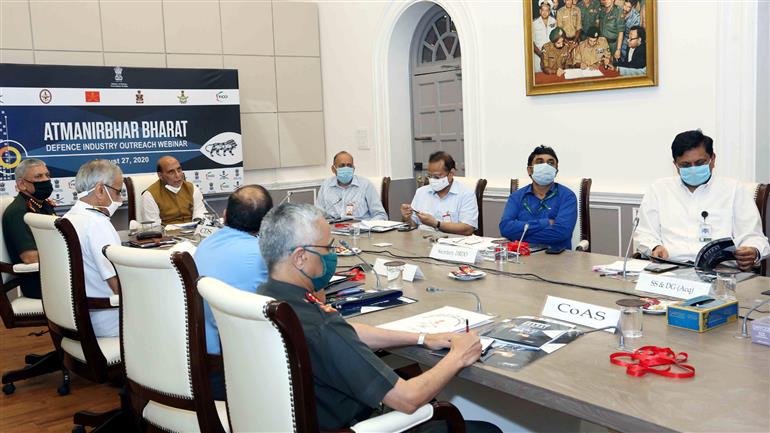
In contemporary India, Atmanirbhar Bharat embodies the idea of economic self-reliance. The government has launched various initiatives to promote indigenous manufacturing, reducing the reliance on imports in sectors ranging from defense to electronics.

Digital Self-Reliance

The digital revolution plays a crucial role in Atmanirbhar Bharat. Initiatives such as “Digital India” and “Make in India” have spurred innovation and growth in the tech sector, making India less dependent on foreign technology.

The Economic Impact of Atmanirbhar Bharat


Self-Reliance: Unveiling the Essence of Atmanirbhar Bharat

Job Creation

One of the significant benefits of self-reliance is job creation. By promoting domestic manufacturing and entrepreneurship, Atmanirbhar Bharat has the potential to generate millions of jobs, especially in rural areas.

Strengthening the Rupee

Reducing imports and promoting exports can help stabilize the Indian rupee. A stronger currency enhances India’s economic stability and reduces inflationary pressures.

Challenges on the Path to Self-Reliance

Infrastructure Development

To achieve self-reliance, India needs to invest heavily in infrastructure development. Improving roads, ports, and logistics networks is essential for efficient domestic production and distribution.

Skill Enhancement

Enhancing the skills of the workforce is another critical aspect. A skilled labor force can boost productivity and competitiveness in the global market.

The Role of Innovation

Innovation is the cornerstone of Atmanirbhar Bharat. Encouraging research and development across industries fosters indigenous technologies and solutions.

Conclusion

Atmanirbhar Bharat is not merely a slogan; it is a vision for a self-reliant and prosperous India. By focusing on economic self-sufficiency, digital empowerment, and innovation, India can reduce its dependence on foreign imports and become a global economic powerhouse.

II. Pre-Independence Era


Self-Reliance: Unveiling the Essence of Atmanirbhar Bharat

A. Self-Reliance Movements

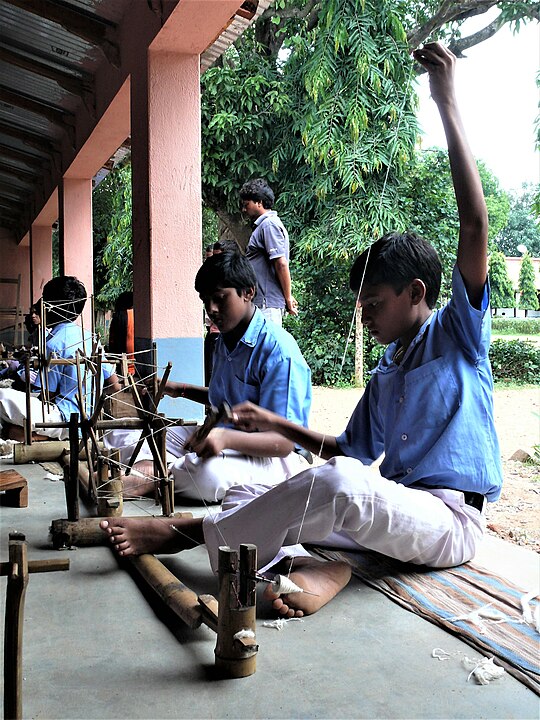
India’s journey towards self-reliance can be traced back to the pre-independence era when leaders like Mahatma Gandhi emphasized the importance of self-sufficiency through activities like hand-spinning and weaving. These movements laid the ideological foundation for future endeavors in this direction.

B. Economic Dependence Under British Rule

During British colonial rule, India was subjected to economic exploitation. This era witnessed a stark imbalance in trade, with India exporting raw materials and importing finished goods from Britain. This economic dependence became a driving force for India’s post-independence economic policies.

III. Post-Independence Economic Policies


Self-Reliance: Unveiling the Essence of Atmanirbhar Bharat
pic from Wikipedia

Following independence in 1947, India embarked on a journey to define its economic identity. This period witnessed the implementation of various policies aimed at achieving self-reliance.

A. Import Substitution Industrialization

India’s leaders believed that to achieve self-reliance, the nation needed to establish its industries and reduce reliance on foreign imports. Import Substitution Industrialization (ISI) was born, focusing on the domestic production of goods that were previously imported.

B. License Raj and Its Implications

However, the ISI approach led to the emergence of the License Raj, a complex system of permits and regulations that stifled entrepreneurial spirit and economic growth. It became apparent that self-reliance needed a new direction.

C. Green Revolution: A Step Towards Self-Sufficiency

The Green Revolution in the 1960s was a turning point. It boosted agricultural productivity through the introduction of high-yield crop varieties and modern farming techniques, reducing India’s dependence on food imports.

IV. Economic Liberalization and Globalization


A. 1991 Reforms: Opening Up the Indian Economy

The year 1991 marked a significant shift in India’s economic policies. The government introduced liberalization measures that opened up the Indian economy to foreign investments and reduced trade barriers.

B. Impact on Various Sectors

This period of economic liberalization had varying impacts on different sectors, fostering growth in some and posing challenges in others.

C. Challenges and Criticisms

Despite its successes, economic liberalization also faced criticism for increasing income inequality and neglecting certain marginalized sections of society.

V. Atmanirbhar Bharat Abhiyan: Concept and Objectives

A. Prime Minister’s Vision

The Atmanirbhar Bharat Abhiyan, launched by Prime Minister Narendra Modi in 2020, rekindled the nation’s quest for self-reliance. It envisions a self-sufficient and resilient India.

B. Key Objectives

The program outlines key objectives, including boosting domestic manufacturing, promoting innovation, and reducing dependency on imports.

VI. Key Pillars of Atmanirbhar Bharat


Self-Reliance: Unveiling the Essence of Atmanirbhar Bharat

A. Infrastructure Development

Investments in infrastructure are critical to realizing self-reliance. Projects like ‘Make in India’ aim to bolster industrial capabilities.

B. Technology and Innovation

Harnessing technology and fostering innovation are essential for staying competitive on a global scale.

C. Promoting Domestic Manufacturing

The campaign emphasizes the importance of domestic manufacturing, encouraging industries to produce locally.

D. Economic Reforms

Continuous economic reforms are essential to creating an environment conducive to self-reliance.

E. Strengthening Agriculture and Rural Economy

Supporting the agricultural sector is vital, as it sustains a significant portion of the population.

VII. Government Initiatives and Schemes


Self-Reliance: Unveiling the Essence of Atmanirbhar Bharat

A. Make in India

The ‘Make in India’ initiative invites foreign companies to invest in India and boost local manufacturing.

B. Digital India

The ‘Digital India’ campaign seeks to make India a digitally empowered society and knowledge economy.

C. Startup India

Fostering entrepreneurship and startups is a cornerstone of the Atmanirbhar Bharat vision.

D. Atmanirbhar Bharat Package

In response to the COVID-19 pandemic, the government announced a comprehensive economic package as part of the Atmanirbhar Bharat Abhiyan.

VIII. Atmanirbhar Bharat in Practice

A. Success Stories

There are numerous success stories where businesses have thrived under the Atmanirbhar Bharat initiative.

B. Impact on Various Sectors

The campaign has had a profound impact on various sectors, revitalizing some and presenting challenges to others.

C. Challenges Faced

No transformative journey is without its hurdles, and Atmanirbhar Bharat is no exception.

IX. Global Perspective and Collaborations


Self-Reliance: Unveiling the Essence of Atmanirbhar Bharat
pic from Wikipedia

A. India’s Role in International Trade

India’s self-reliance journey also has global implications, influencing international trade dynamics.

B. Bilateral Agreements

The nation has engaged in bilateral agreements to strengthen its economic position.

C. Foreign Direct Investment (FDI)

Foreign Direct Investment plays a significant role in India’s economic development.

X. self-reliance in a Post-COVID World

A. Response to the Pandemic

The COVID-19 pandemic posed unprecedented challenges, but India’s resilience was showcased through its response.

B. Building Resilience

Atmanirbhar Bharat has evolved to encompass pandemic preparedness and resilience.

XI. Measuring Success

A. Economic Indicators

Measuring the success of Atmanirbhar Bharat involves evaluating various economic indicators.

B. Social and Environmental Impact

The initiative’s impact extends beyond the economic realm, affecting society and the environment.

XII. Criticisms and Controversies


A. Critiques from Opposition

Atmanirbhar Bharat has faced criticism from various quarters, including the opposition.

B. Environmental Concerns

There are concerns about the environmental impact of certain policies under the initiative.

C. Socioeconomic Challenges

Socioeconomic challenges have emerged as India strives for self-reliance.

XIII. The Future of self-reliance

A. Sustainability and Long-Term Goals

Ensuring the sustainability of self-reliance initiatives and setting long-term goals are paramount.

B. Prospects

The future holds promising prospects for Atmanirbhar Bharat.

XIV. Case Studies

A. Examining Successful self-relianceInitiatives

Exploring case studies of successful self-reliance initiatives provides valuable insights.

B. Lessons Learned

Understanding lessons learned from the journey to self-reliance is crucial for future progress.

XV. Conclusion

In conclusion, Atmanirbhar Bharat represents India’s unwavering commitment to self-reliance. It has a rich historical context, ambitious objectives, and a significant impact on various sectors. As India continues its journey, the significance of Atmanirbhar Bharat cannot be overstated.


आत्मनिर्भर भारत की शुरुआत कब हुई थी?

आत्मनिर्भर भारत का मतलब क्या होता है?

आत्मनिर्भर भारत भारत का क्या फायदा है?

आत्मनिर्भर भारत पर निबंध कैसे लिखें?


Self-Reliance: Unveiling the Essence of Atmanirbhar Bharat

आत्मनिर्भर भारत की शुरुआत 2020 में हुई थी. आत्मनिर्भर भारत का मतलब है कि भारत को अपनी जरूरत की चीजें खुद बनाना और दूसरे देशों पर निर्भरता कम करना. आत्मनिर्भर भारत के कई फायदे हैं, जैसे कि देश की अर्थव्यवस्था मजबूत होगी, रोजगार के अवसर बढ़ेंगे, और देश की सुरक्षा मजबूत होगी. आत्मनिर्भर भारत पर निबंध लिखने के लिए, आप निम्नलिखित बिंदुओं पर ध्यान दे सकते हैं:

  • आत्मनिर्भर भारत का महत्व
  • आत्मनिर्भर भारत के लिए सरकार द्वारा उठाए गए कदम
  • आत्मनिर्भर भारत के लिए लोगों की भूमिका
  • आत्मनिर्भर भारत के भविष्य

आत्म निर्भरता का मुख्य उद्देश्य था कि भारत को एक शक्तिशाली देश बनाया जाए, जो अपनी जरूरत की चीजें खुद बना सके और दूसरे देशों पर निर्भर न हो. भारत आत्मनिर्भर हो सकता है, लेकिन इसके लिए सभी को मिलकर काम करना होगा. सरकार को आत्मनिर्भरता के लिए कदम उठाने होंगे और लोगों को भी देश के निर्माण में अपना योगदान देना होगा.

आत्मनिर्भर भारत के लिए कुछ महत्वपूर्ण कदम हैं:

  • देश में उद्योगों को बढ़ावा देना
  • किसानों को आत्मनिर्भर बनाना
  • शिक्षा और स्वास्थ्य के क्षेत्र में सुधार करना
  • बुनियादी ढांचे का विकास करना
  • प्रौद्योगिकी को बढ़ावा देना
  • देश की सुरक्षा को मजबूत करना

आत्मनिर्भर भारत के लिए लोगों की भी भूमिका महत्वपूर्ण है. लोगों को देश के निर्माण में अपना योगदान देना चाहिए. वे स्वदेशी उत्पादों का उपयोग कर सकते हैं, सरकार के कार्यक्रमों में हिस्सा ले सकते हैं, और देश के बारे में जागरूकता फैला सकते हैं.

आत्मनिर्भर भारत एक सपना है, लेकिन यह एक सपना है जो पूरा किया जा सकता है. अगर हम सब मिलकर काम करें तो भारत एक आत्मनिर्भर देश बन सकता है.

  • मेक इन इंडिया पहल
  • स्वदेशी उत्पादों को बढ़ावा देना
  • किसानों को आत्मनिर्भर बनाना
  • शिक्षा और स्वास्थ्य के क्षेत्र में सुधार करना
  • बुनियादी ढांचे का विकास करना
  • प्रौद्योगिकी को बढ़ावा देना
  • देश की सुरक्षा को मजबूत करना

आत्मनिर्भर भारत के लिए लोगों की भूमिका

आत्मनिर्भर भारत के लिए लोगों की भी भूमिका महत्वपूर्ण है. लोगों को देश के निर्माण में अपना योगदान देना चाहिए. वे स्वदेशी उत्पादों का उपयोग कर सकते हैं, सरकार के कार्यक्रमों में हिस्सा ले सकते हैं, और देश के बारे में जागरूकता फैला सकते हैं.

आत्मनिर्भर भारत का भविष्य

आत्मनिर्भर भारत का भविष्य उज्ज्वल है. अगर हम सब मिलकर काम करें तो भारत एक आत्मनिर्भर देश बन सकता है. आत्मनिर्भर भारत से देश को कई लाभ होंगे, जैसे कि:

  • मजबूत अर्थव्यवस्था
  • बढ़ती हुई रोजगार
  • मजबूत सुरक्षा
  • बढ़ती हुई आत्मविश्वास
  • बढ़ता हुआ वैश्विक सम्मान

आत्मनिर्भर भारत एक सपना है, लेकिन यह एक सपना है जो पूरा किया जा सकता है. अगर हम सब मिलकर काम करें तो भारत एक आत्मनिर्भर देश बन सकता है.

आत्म निर्भर भारत योजना का स्तंभ क्या है?

भारत आत्मनिर्भर कैसे बना?

आत्मनिर्भर भारत अभियान के कितने स्तंभ है?

आत्मनिर्भर भारत के कितने स्तंभ हैं?


आत्मनिर्भर भारत अभियान के 5 स्तंभ हैं:

  1. आत्मनिर्भर कृषि
  2. आत्मनिर्भर उद्योग
  3. आत्मनिर्भर ऊर्जा
  4. आत्मनिर्भर बुनियादी ढांचा
  5. आत्मनिर्भर डिजिटल भारत

आत्मनिर्भर भारत अभियान के तहत सरकार द्वारा कई कदम उठाए जा रहे हैं, जैसे कि:

  • किसानों को अनुदान देना
  • किसानों को नई तकनीक उपलब्ध कराना
  • उद्योगों को प्रोत्साहन देना
  • ऊर्जा के नवीन स्रोतों को विकसित करना
  • बुनियादी ढांचे का विकास करना
  • डिजिटल भारत को बढ़ावा देना

आत्मनिर्भर भारत अभियान के तहत सरकार द्वारा उठाए जा रहे इन कदमों से भारत एक आत्मनिर्भर देश बनने की राह पर है.


XVI. Frequently Asked Questions (FAQs)

A. What is Atmanirbhar Bharat?

It is a concept promoting self-reliance and self-sufficiency in India’s economic and social sectors.

B. How does it differ from earlier economic policies?

It differs by emphasizing domestic production, reducing import dependence, and fostering innovation.

C. What are the main pillars of Atmanirbhar Bharat?

The main pillars include infrastructure development, technology, domestic manufacturing, economic reforms, and agriculture.

D. What government initiatives support this vision?

Initiatives like ‘Make in India,’ ‘Digital India,’ and ‘Startup India’ support the Atmanirbhar Bharat vision.

E. Has It been successful?

It has seen successes but also faced challenges in its implementation.

F. What challenges does it face?

Challenges include policy implementation, environmental concerns, and socioeconomic disparities.

G. What is the role of it in India’s global relations?

It impacts India’s global trade dynamics and collaborations.

H. How does it relate to the COVID-19 pandemic?

It evolved to address pandemic preparedness and resilience.

I. What are the future prospects of this initiative?

The future holds promising prospects for Atmanirbhar Bharat as it continues to evolve and adapt to changing global dynamics.

Filed Under: Essay Tagged With: Atmanirbhar Bharat

Write an Essay on The ongoing farmers’ protests

July 27, 2023 By kundan Leave a Comment

THE ONGOING FARMERS’ PROTESTS IN INDIA: A CRUCIAL STRUGGLE FOR AGRICULTURAL REFORM


farmers' protests


India, with its rich agricultural heritage, has been witnessing one of its lengthiest protests in history – the farmers’ protests. Stemming from their opposition to the three farm acts passed in September 2020, these demonstrations have evolved into a movement representing the deep-rooted concerns of farmers across the country. The contentious Farm Bills have ignited a national debate, with the protesting farmers demanding their repeal and a new law guaranteeing a minimum support price (MSP) for their crops. As the protests continue to endure, it becomes increasingly apparent that they signify more than just a disagreement between the government and farmers. Instead, they have become a symbol of the struggle for agricultural reform, putting the government’s commitment to the welfare of its farming community into question.

The Genesis and Scope of the Protests


farmers' protests

The farmers’ protests initially sparked in the states of Punjab, Haryana, and Western Uttar Pradesh but soon gained momentum and spread across India. The primary demand of the farmers has been the repeal of the existing farm acts, which they argue would leave them vulnerable to corporate exploitation. The government, on the other hand, maintains that these acts offer farmers greater freedom by allowing them to sell their crops to private buyers. However, the farmers fear that this would lead to decreased crop prices and hinder their ability to compete with large corporations.

The inclusion of the minimum support price (MSP) in their demands is crucial. MSP acts as a price floor set by the government, ensuring that farmers receive a specified minimum price when selling their produce. It provides them with a sense of security and fair compensation for their hard work. The absence of MSP in the farm acts has been a major point of contention, further fuelling the protests.

Public Opinion and Political Ramifications

The ongoing farmers’ protests have divided public opinion. While some individuals stand firmly in support of the farmers’ cause, others argue that the farm acts are necessary to bring about much-needed reforms in the agricultural sector. The media has played a pivotal role in shaping and disseminating these diverse viewpoints, leading to extensive coverage and debates on the protests.

Politically, the protests have had an impact on the popularity of the ruling Bharatiya Janata Party (BJP). The government’s handling of the protests has been closely scrutinized, and its response has drawn criticism from various quarters. The farmers’ resilience and determination have garnered significant public sympathy, putting pressure on the government to find a resolution.

A Complex Issue with No Simple Solutions


farmers' protests

The farmers’ protests have endured for over a year, reflecting the depth of their concerns and the complexity of the issue at hand. While the protests have remained largely peaceful, there have been incidents of violence, which have drawn attention from the authorities. These disturbances, though isolated, highlight the underlying tensions and emotions surrounding the protests.

Economically, the protests have had a considerable impact on the Indian economy. Disruptions in the supply of agricultural produce have led to fluctuations in market prices and affected both consumers and businesses. The ripple effects of these disruptions are felt far beyond the boundaries of the protest sites.

A Call for Responsible Governance and Meaningful Dialogue


farmers' protests

The farmers’ protests go beyond mere demands for policy changes. They symbolize the significance of agriculture in the Indian economy and emphasize the government’s responsibility to address the concerns of its farmers. Agriculture is the backbone of the nation, and the wellbeing of farmers is vital to ensure food security and economic stability.

To find a resolution, meaningful dialogue between the government and farmers is essential. The government’s proposed amendments to the farm acts have not been sufficient to quell the protests. Instead, both parties must engage in open discussions, acknowledging the valid concerns of the farmers and finding ways to ensure a fair and just agricultural system that benefits all stakeholders.

Conclusion


FARMERS' PROTESTS

The ongoing farmers’ protests in India represent a critical juncture in the nation’s history. These demonstrations have evolved into a movement for agricultural reform, transcending regional boundaries and capturing the attention of the entire nation. The farmers’ demands for the repeal of the farm acts and the implementation of a minimum support price (MSP) underscore the need for responsible governance and a commitment to the welfare of the farming community.

As the protests continue, the Indian government faces the challenge of addressing the concerns of its farmers and finding a balanced solution that promotes both agricultural growth and the welfare of the farming community. The ultimate resolution of the protests remains uncertain, but their impact on India’s agricultural policies and the government’s responsiveness is already evident. It is imperative that the government listens to the voices of its farmers and takes proactive steps towards meaningful reforms that will shape the future of Indian agriculture for the better.

In the words of Mahatma Gandhi, “The best way to find yourself is to lose yourself in the service of others.” It is now the responsibility of the Indian government to embody these words, serve the farmers, and pave the way for a brighter and more equitable agricultural future. Only then can the ongoing farmers’ protests find a lasting and meaningful conclusion.


Frequently Asked Questions (FAQ) on Farmers’ Protests

1. What are the Farmers’ Protests in India?

The Farmers’ Protests in India refer to ongoing demonstrations and agitations by farmers across the country against three farm acts passed by the Parliament of India in September 2020. These acts are commonly known as the Farm Bills.

2. What are the Farm Bills, and why are they controversial?

The Farm Bills are three agricultural reforms aimed at liberalizing the agricultural sector in India. They include: a. The Farmers’ Produce Trade and Commerce (Promotion and Facilitation) Act, 2020 b. The Farmers (Empowerment and Protection) Agreement on Price Assurance and Farm Services Act, 2020 c. The Essential Commodities (Amendment) Act, 2020

The controversy surrounding these acts stems from concerns raised by farmers and opposition politicians who label them as “anti-farmer laws.” Farmers fear that the lack of a minimum support price (MSP) and unrestricted trade with private buyers will leave them vulnerable to corporate exploitation.

3. What is the farmers’ main demand?

The farmers’ primary demand is the repeal of the three farm acts passed in 2020. They want the government to scrap these laws and provide a new law that guarantees a minimum support price (MSP) for their crops. MSP acts as a price floor set by the government, ensuring farmers receive a specified minimum price when selling their produce.

4. How did the protests begin, and where are they concentrated?

The protests were initially sparked in the states of Punjab, Haryana, and Western Uttar Pradesh. However, they have since expanded to other regions across India, making them one of the country’s lengthiest protests in history.

5. Have the protests been peaceful?

While the farmers’ protests have remained largely peaceful, there have been some incidents of violence during the demonstrations. The majority of protesters, however, have maintained their non-violent stance.

6. What is the government’s stance on the protests?

The government argues that the farm acts offer farmers greater freedom to sell their crops to private buyers, which could lead to potential benefits and increased competitiveness. They have proposed amendments to address some of the concerns raised by farmers but have resisted repealing the entire set of farm acts.

7. How has public opinion been divided on the protests?

Public opinion on the protests has been divided. Some individuals and organizations support the farmers’ cause, expressing solidarity with their demands. However, others believe that the farm acts are necessary to bring about much-needed reforms in the agricultural sector.

8. What is the impact of the protests on the Indian economy?

The farmers’ protests have had a considerable impact on the Indian economy, particularly on the supply of agricultural produce. Disruptions caused by the protests have led to fluctuations in market prices and affected both consumers and businesses.

9. What are the political implications of the protests?

Politically, the protests have resulted in a decline in the popularity of the ruling Bharatiya Janata Party (BJP). The government’s handling of the protests has been under scrutiny, and the farmers’ resilience has garnered significant public sympathy.

10. How might the protests be resolved?

Finding a resolution to the farmers’ protests remains a complex task with no simple solutions. Meaningful dialogue between the government and farmers is crucial to address their concerns and reach a compromise that benefits all stakeholders.

11. What is the lasting impact of the farmers’ protests on India?

The farmers’ protests have underscored the significance of agriculture in the Indian economy and have emphasized the government’s responsibility to address farmers’ concerns. The ultimate resolution remains uncertain, but the protests have already left a profound impact on India’s agricultural policies and governance.

Filed Under: Essay Tagged With: Write an Essay on "The ongoing farmers' protests" in 500 words

Write an Essay on The impact of COVID-19 on India

July 27, 2023 By kundan Leave a Comment

The impact of COVID-19 on India


Important keyword use in this Essay to simplify answer writing

  1. Introduction
    • Overview of COVID-19
    • Arrival of COVID-19 in India
    • Significance of the Topic
  2. Health Impact of COVID-19 in India
    • Spread of the Virus
    • Healthcare Infrastructure Strain
    • Case Fatality Rate
  3. Socio-Economic Impact of COVID-19 in India
    • Lockdown Measures
    • Unemployment and Job Losses
    • Impact on Key Industries (e.g., Tourism, Manufacturing)
  4. Education Sector Disruptions
    • School and College Closures
    • Shift to Online Learning
    • Challenges Faced by Students
  5. Impact on Mental Health
    • Anxiety and Stress
    • Isolation and Loneliness
    • Access to Mental Health Services
  6. Response of the Indian Government
    • Public Health Measures
    • Economic Relief Packages
    • Vaccination Drive
  7. The Second Wave and Its Consequences
    • Surge in Cases and Deaths
    • Strain on Healthcare Facilities
    • Global Aid and Support
  8. Emerging Opportunities Amid Challenges
    • Digital Transformation
    • Healthcare Infrastructure Improvement
    • Atmanirbhar Bharat (Self-Reliant India) Initiative
  9. Conclusion
    • Reflect on the Impact of COVID-19
    • Call for Collective Efforts in Overcoming the Crisis

The Impact of COVID-19 on India


The Impact of COVID-19

Introduction

COVID-19, caused by the SARS-CoV-2 virus, emerged as a global pandemic, affecting millions of lives worldwide. India, with its vast population and diverse demographics, faced unique challenges in combating the virus. As of July 2023, the country has reported over 43 million cases and over 520,000 deaths. The pandemic has had a significant impact on the Indian economy, healthcare system, and society.

Health Impact of COVID-19 in India


The Impact of COVID-19

The virus swiftly spread across India’s vast geography, presenting significant challenges to the healthcare system. Overburdened hospitals and medical facilities struggled to accommodate the rising number of patients. The case fatality rate in certain regions intensified concerns over the virus’s deadliness.

Socio-Economic Impact of COVID-19 in India

Deu to

The impact of COVID-19 The economy contracted by 5.5% in 2020-21, the worst contraction in decades. In an attempt to curb the virus’s spread, the Indian government implemented stringent lockdown measures. While necessary, these measures led to widespread unemployment and job losses, disproportionately affecting daily wage earners and migrant workers. Key industries such as tourism and manufacturing faced severe setbacks.

Education Sector Disruptions


The Impact of COVID-19

Schools and colleges across the country were forced to close their doors to ensure safety. This led to a rapid shift to online learning methods. However, the transition was not without challenges, as many students, especially those from economically weaker sections, faced difficulties in accessing online education.

Impact on Mental Health

The pandemic brought about a surge in anxiety and stress due to fears of infection and uncertainties surrounding the future. Social distancing measures and lockdowns contributed to increased feelings of isolation and loneliness. Access to mental health services became crucial during this time.

Response of the Indian Government

The Indian government responded to the crisis by implementing various public health measures to control the virus’s spread. Additionally, economic relief packages were introduced to support vulnerable sections of society. The vaccination drive was launched to protect citizens from the virus.

The Second Wave and Its Consequences

India faced a devastating second wave of COVID-19, overwhelming healthcare facilities and leading to an unprecedented rise in cases and deaths. The nation received global aid and support to manage the crisis.

Emerging Opportunities Amid Challenges


The Impact of COVID-19Despite the challenges, the pandemic also presented opportunities for India. The country witnessed a surge in digital transformation, enabling remote work and online services. The healthcare infrastructure underwent improvements to prepare for future health emergencies. The “Atmanirbhar Bharat” initiative aimed to make India self-reliant.

Conclusion of The impact of COVID-19

The impact of COVID-19 on India has been profound and multidimensional. The pandemic revealed vulnerabilities in healthcare and socio-economic systems, but it also spurred innovation and resilience. As India continues to battle the virus, collective efforts from all sectors of society are essential to overcome this unprecedented challenge.

FAQs The impact of COVID-19

  1. How did COVID-19 affect the Indian healthcare system?
    • COVID-19 placed immense strain on India’s healthcare infrastructure, leading to overcrowded hospitals and challenges in providing adequate care to patients.
  2. What industries were most affected by the pandemic?
    • Industries like tourism and manufacturing were significantly impacted due to travel restrictions and disrupted supply chains.
  3. How did the education sector cope with the pandemic?
    • The education sector shifted to online learning, but many students faced difficulties in accessing digital resources.
  4. What steps did the Indian government take to combat the virus?
    • The government implemented lockdown measures, offered economic relief packages, and launched a nationwide vaccination drive.
  5. How did the second wave differ from the first wave of COVID-19 in India?
    • The second wave saw a much higher number of cases and deaths, straining healthcare facilities and prompting global aid and support.Here are 50 essay ideas for descriptive exams that are trending in India recently:
      • Current affairs:
        • The impact of COVID-19 on India
        • The ongoing farmers’ protests
        • The rise of Hindu nationalism
        • The upcoming general election
      • Social issues:
        • Poverty and inequality
        • Gender discrimination
        • Child labor
        • Human trafficking
      • Environmental issues:
        • Climate change
        • Pollution
        • Deforestation
        • Water scarcity
      • Economic issues:
        • Unemployment
        • Inflation
        • Trade deficit
        • Infrastructure development
      • Education:
        • The quality of education in India
        • The challenges of online learning
        • The importance of STEM education
        • The need for vocational training
      • Technology:
        • The impact of technology on society
        • The rise of artificial intelligence
        • The future of work
        • The potential of blockchain technology
      • Culture and heritage:
        • The importance of preserving Indian culture
        • The challenges of globalization
        • The role of women in Indian society
        • The future of Indian democracy

      These are just a few ideas to get you started. When choosing a topic for your essay, be sure to consider your own interests and strengths as a writer. You should also choose a topic that is relevant to current events and that you feel passionate about.

      Here are some additional tips for writing a successful descriptive essay:

      • Start with a strong introduction that grabs the reader’s attention.
      • Use vivid language and imagery to describe your topic.
      • Be specific and provide details.
      • Use a variety of sentence structures to keep your writing interesting.
      • End with a strong conclusion that leaves the reader with something to think about.

Filed Under: Essay

Essay on Global Warming and Its Effects

July 27, 2023 By kundan Leave a Comment

Global Warming and Its Effects


Essay on Global Warming and Its Effect

Global warming is an escalating environmental concern that demands immediate attention from individuals, industries, and governments worldwide. It refers to the gradual increase in Earth’s average surface temperature due to human activities that release greenhouse gases into the atmosphere. This article explores the intricacies of global warming and its far-reaching effects on our planet’s climate, ecosystems, societies, and economies.

Understanding Global Warming

At its core, global warming is driven by the greenhouse effect, a natural phenomenon essential for supporting life on Earth. The Earth’s atmosphere traps some of the sun’s energy, allowing the planet to maintain a habitable temperature. However, human activities, primarily the burning of fossil fuels and deforestation, have intensified this effect, resulting in excessive heat retention, which leads to global warming.

Causes of Global Warming

The principal contributors to global warming are the emission of greenhouse gases, particularly carbon dioxide (CO2), methane (CH4), and nitrous oxide (N2O). These gases are released from various human activities, including burning coal, oil, and natural gas for energy, as well as industrial processes and land-use changes.

Additionally, deforestation, the clearing of forests for agricultural purposes or urban development, plays a significant role in global warming. Trees absorb CO2, and their removal reduces the planet’s capacity to sequester carbon, contributing to the accumulation of greenhouse gases in the atmosphere.

Impact on Climate Patterns

Global warming has already started to manifest in observable changes to climate patterns worldwide. The most evident consequence is the rise in average temperatures, leading to more frequent and intense heatwaves, particularly in urban areas.

Moreover, altered climate patterns have resulted in changes in precipitation, with some regions experiencing more frequent and severe droughts, while others face increased rainfall and flooding events. These changes pose significant challenges to agriculture, water resources, and overall ecosystem stability.

The intensification of natural disasters, such as hurricanes, cyclones, and wildfires, can also be attributed to global warming. These extreme weather events cause extensive damage to infrastructure, disrupt communities, and put lives at risk.

Effects on Ecosystems


Essay on Global Warming and Its Effect

Global warming profoundly impacts ecosystems and biodiversity across the planet. The melting of polar ice caps and glaciers leads to rising sea levels, threatening coastal regions and low-lying islands. As sea levels rise, some habitats are lost, and the associated changes in salinity can disrupt marine life, affecting fish populations and coral reefs.

Furthermore, various plant and animal species face challenges due to changing temperature and precipitation patterns. Many species are struggling to adapt, leading to shifts in ecological communities and potential extinction risks.

Societal and Economic Consequences

The consequences of global warming are not limited to environmental impacts; they also have profound social and economic ramifications. Food and water security are jeopardized as changing climate patterns affect agricultural productivity and water availability.

Human health is at risk due to heat-related illnesses and the spread of diseases carried by vectors sensitive to changing climates. Additionally, the displacement of populations due to climate-induced events can lead to human migration and potential conflicts over resources.

Economically, the costs of addressing and recovering from extreme weather events and environmental damage can be staggering. The disruptions to industries, infrastructure, and supply chains may have long-term implications for global economies.

Mitigation and Adaptation Strategies

Addressing global warming requires a two-pronged approach: mitigation and adaptation. Mitigation focuses on reducing greenhouse gas emissions by transitioning to renewable energy sources, promoting energy efficiency, and adopting sustainable practices.

Adaptation entails preparing for the impacts of global warming that are already underway. This includes reforestation efforts, building resilient infrastructure, and implementing policies that safeguard vulnerable communities.

Individual Actions to Combat Global Warming

While government and industry-level efforts are crucial, individual actions also play a significant role in combatting global warming. Energy conservation, such as using energy-efficient appliances and reducing electricity consumption, can make a difference.

Sustainable transportation choices, like carpooling or using public transport, contribute to reducing emissions from the transportation sector. Additionally, reducing waste and adopting recycling practices can limit the environmental burden.

The Role of Businesses and Industries


Essay on Global Warming and Its Effect

Businesses and industries have a pivotal role to play in the fight against global warming. Embracing corporate responsibility and incorporating green initiatives into their operations can significantly reduce their carbon footprint.

Adopting sustainable production practices, promoting a circular economy approach, and investing in clean technologies can lead to more environmentally friendly practices on a larger scale.

The Importance of Education and Awareness

Education and awareness are vital components of addressing global warming. Raising environmental consciousness through schools, media, and community outreach can empower individuals to take meaningful action.

Encouraging climate advocacy and supporting organizations dedicated to environmental protection can amplify efforts to combat global warming.

Global Efforts and Agreements

Global warming is a global challenge that requires global cooperation. The Paris Agreement, signed in 2015, is one such milestone in international efforts to combat climate change. It aims to limit global warming to well below 2 degrees Celsius above pre-industrial levels and strives to pursue efforts to limit the temperature increase to 1.5 degrees Celsius.

International climate summits provide platforms for nations to discuss and collaborate on climate action. Collaborative efforts are essential for creating a sustainable future for generations to come.

The Future of Global Warming

The future of global warming remains uncertain and depends on the actions we take today. Climate models project a range of potential outcomes, and the extent of global warming’s effects will largely depend on our collective response.

Urgent action is needed to mitigate and adapt to the challenges posed by global warming. By implementing sustainable practices and fostering global cooperation, we can strive towards a healthier and more sustainable planet.


Conclusion

Global warming is an existential threat that demands immediate and collective action. With the potential to disrupt ecosystems, economies, and societies, its impacts are far-reaching and profound. Through mitigation, adaptation, education, and international cooperation, we can work towards a sustainable future that curtails the effects of global warming and ensures the well-being of our planet and its inhabitants.


FAQs

  1. What causes global warming?
  2. How does global warming affect the environment?
  3. What are the societal consequences of global warming?
  4. How can individuals contribute to fighting global warming?

What are some of the international agreements to address global warming?

What causes global warming? Global warming is primarily caused by the increase in greenhouse gases, especially carbon dioxide (CO2), methane (CH4), and nitrous oxide (N2O), in the Earth’s atmosphere. Human activities are the main drivers of this phenomenon. The burning of fossil fuels for energy, deforestation, industrial processes, and agricultural practices release large amounts of greenhouse gases into the atmosphere. These gases trap heat, leading to the greenhouse effect, which results in a gradual rise in the Earth’s average temperature over time, known as global warming.

How does global warming affect the environment? Global warming has significant impacts on the environment, including:

  1. Rising temperatures: Increased global temperatures lead to heatwaves, altered weather patterns, and changes in ecosystems.
  2. Melting ice and rising sea levels: The warming climate causes polar ice to melt, contributing to sea-level rise, threatening coastal areas and low-lying islands.
  3. Extreme weather events: Global warming intensifies extreme weather events, such as hurricanes, droughts, floods, and wildfires.
  4. Disruption of ecosystems: Many plant and animal species face challenges adapting to rapidly changing conditions, leading to shifts in ecosystems and potential species extinction.
  5. Ocean acidification: The absorption of excess CO2 by the oceans causes acidification, which harms marine life, particularly organisms with calcium carbonate shells or skeletons.

What are the societal consequences of global warming? The societal consequences of global warming are far-reaching and affect various aspects of human life, including:

  1. Human health impacts: Increased heatwaves can lead to heat-related illnesses and deaths. Changes in disease patterns may occur due to altered distributions of disease-carrying organisms.
  2. Food and water security: Climate changes can affect agricultural productivity, leading to food shortages and water scarcity in certain regions.
  3. Economic implications: Rising sea levels and extreme weather events can damage infrastructure, disrupt economies, and result in financial losses.
  4. Migration and displacement: People living in vulnerable areas may be forced to migrate due to sea-level rise, extreme weather, or loss of livelihoods.
  5. Social and political tensions: Global warming can exacerbate existing social inequalities and lead to conflicts over resources and migration.

How can individuals contribute to fighting global warming? Individuals can play a crucial role in combating global warming through various actions, such as:

  1. Energy conservation: Reduce energy consumption by using energy-efficient appliances, turning off lights and electronics when not in use, and using public transportation or carpooling.
  2. Renewable energy adoption: Support and use renewable energy sources like solar, wind, and hydropower.
  3. Reduce, reuse, and recycle: Minimize waste generation, recycle materials, and choose products with minimal packaging to reduce the carbon footprint.
  4. Sustainable lifestyle choices: Opt for eco-friendly products, practice sustainable agriculture, and consume less meat as livestock production contributes to greenhouse gas emissions.
  5. Raising awareness: Educate others about global warming, its impacts, and the importance of taking collective action to address the issue.
  6. Political engagement: Advocate for policies and initiatives that promote renewable energy, environmental protection, and climate change mitigation at local, national, and international levels.

FAQ on How to Write an Essay

1. How to write an essay?

Writing an essay involves several key steps: a. Understand the essay prompt or question. b. Conduct research to gather relevant information and evidence. c. Create an outline to organize your ideas and arguments. d. Write an introduction, body paragraphs, and a conclusion. e. Revise and edit your essay for clarity and coherence.

2. How to start an essay?

To start an essay effectively: a. Begin with a hook or attention-grabbing statement to engage the reader. b. Provide some background information on the topic to set the context. c. State a clear thesis statement that outlines the main argument of your essay.

3. How to write a conclusion for an essay?

Writing a conclusion requires the following steps: a. Restate your thesis statement in a paraphrased form. b. Summarize the main points you discussed in the body paragraphs. c. Provide a closing thought or call-to-action to leave a lasting impression on the reader.

4. How to write an effective essay?

To write an effective essay: a. Stay focused on the essay prompt and address all its aspects. b. Conduct thorough research and use reliable sources to support your arguments. c. Organize your essay logically with a clear introduction, body, and conclusion. d. Use proper grammar, punctuation, and sentence structure. e. Edit and proofread your essay to eliminate errors and improve clarity.

5. How long is an essay?

The length of an essay can vary based on the requirements and guidelines. In academic settings, essays are often measured by word count or pages. Common essay lengths include 250 words, 500 words, 1000 words, 1500 words, and so on.

6. How to write an argumentative essay?

Writing an argumentative essay involves the following steps: a. Introduce the topic and present the issue you’ll be discussing. b. Provide background information and context for the topic. c. Clearly state your thesis, which presents your position on the issue. d. Present evidence and strong arguments to support your thesis. e. Address counterarguments and refute them with evidence. f. Conclude by restating your thesis and emphasizing your main points.

7. How many paragraphs is an essay?

The number of paragraphs in an essay depends on its length and the organizational structure. Generally, a standard essay consists of an introduction, 3-5 body paragraphs, and a conclusion.

8. What is an essay?

An essay is a piece of writing that presents a writer’s perspective or argument on a particular topic. It is a common form of academic writing and can cover various subjects and styles, including expository, argumentative, persuasive, and narrative essays. Essays are used to convey information, analyze issues, persuade readers, or tell a story.


Here are 51+ Essay ideas for descriptive exams that are trending in India recently:

  • Current affairs:
    • The impact of COVID-19 on India
    • The ongoing farmers’ protests
    • The rise of Hindu nationalism
    • The upcoming general election
  • Social issues:
    • Poverty and inequality
    • Gender discrimination
    • Child labor
    • Human trafficking
  • Environmental issues:
    • Climate change
    • Pollution
    • Deforestation
    • Water scarcity
  • Economic issues:
    • Unemployment
    • Inflation
    • Trade deficit
    • Infrastructure development
  • Education:
    • The quality of education in India
    • The challenges of online learning
    • The importance of STEM education
    • The need for vocational training
  • Technology:
    • The impact of technology on society
    • The rise of artificial intelligence
    • The future of work
    • The potential of blockchain technology
  • Culture and heritage:
    • The importance of preserving Indian culture
    • The challenges of globalization
    • The role of women in Indian society
    • The future of Indian democracy

These are just a few ideas to get you started. When choosing a topic for your essay, be sure to consider your own interests and strengths as a writer. You should also choose a topic that is relevant to current events and that you feel passionate about.

Here are some additional tips for writing a successful descriptive essay:

  • Start with a strong introduction that grabs the reader’s attention.
  • Use vivid language and imagery to describe your topic.
  • Be specific and provide details.
  • Use a variety of sentence structures to keep your writing interesting.
  • End with a strong conclusion that leaves the reader with something to think about.


  1. “Digital India: Transforming the Nation through Technology and Connectivity.”
  2. “Challenges and Prospects of Skill India Mission in Boosting Employment.”
  3. “Sustainable Development: Balancing Economic Growth and Environmental Conservation.”
  4. “Role of Women Empowerment in Nation Building.”
  5. “Impact of Demonetization on India’s Economy and Society.”
  6. “Universal Basic Income: A Solution to Alleviate Poverty?”
  7. “Economic Reforms and Liberalization in India: A Retrospective Analysis.”
  8. “Swachh Bharat Abhiyan: Progress, Challenges, and the Way Forward.”
  9. “Artificial Intelligence: Opportunities and Concerns in India’s Development.”
  10. “The Importance of Education in Shaping the Future of the Nation.”
  11. “Financial Inclusion: Expanding Access to Banking Services in Rural India.”
  12. “Climate Change: Strategies for Mitigation and Adaptation in India.”
  13. “GST (Goods and Services Tax): Impact on the Indian Economy and Taxation System.”
  14. “Rural-Urban Migration: Challenges and Strategies for Sustainable Urbanization.”
  15. “Healthcare in India: Addressing Gaps and Improving Access to Quality Services.”
  16. “Make in India: Boosting Manufacturing Sector and Promoting Domestic Production.”
  17. “Tackling Corruption in India: Initiatives, Challenges, and the Road Ahead.”
  18. “Population Control: Strategies for Achieving a Sustainable Population Growth.”
  19. “Indian Agriculture: Enhancing Productivity and Ensuring Farmer Welfare.”
  20. “Tourism in India: Potential, Challenges, and Sustainable Development.”

Filed Under: Essay Tagged With: Essay on Global Warming and Its Effects

The James Webb Telescope: Exploring the Universe’s Secrets

July 18, 2023 By kundan Leave a Comment

Unveiling the Wonders of the James Webb Telescope: Exploring the Universe’s Secrets


The James Webb Telescope, an engineering marvel and a testament to human curiosity, represents the pinnacle of space exploration technology. In this article, we will take a deep dive into the incredible features and capabilities of this extraordinary instrument and how it is set to revolutionize our understanding of the universe. Prepare to embark on a journey that unravels the secrets of the cosmos and unveils the wonders of the James Webb Telescope.

I. Introduction to the James Webb Telescope

he James Webb Telescope floating in space, capturing stunning images of the universe.

james webb telescope images

A. The significance of space exploration

Space exploration has always been at the forefront of human endeavors. It drives us to push boundaries, explore the unknown, and expand our understanding of the universe we inhabit. The James Webb Telescope is a testament to our insatiable curiosity and our relentless pursuit of knowledge.

B. The need for advanced telescopes

To explore the vastness of space, advanced telescopes are crucial. These instruments enable us to observe distant celestial objects, study cosmic phenomena, and gather data that helps us unravel the mysteries of the universe. The James Webb Telescope is the next step in this evolutionary process, promising groundbreaking discoveries and unprecedented insights.

C. Introducing the James Webb Telescope

The James Webb Space Telescope is scheduled to be launched on October 31, 2021.

Named after James E. Webb, the NASA administrator who played a pivotal role in the Apollo program, the James Webb Telescope is a joint project of NASA, the European Space Agency (ESA), and the Canadian Space Agency (CSA). It is designed to succeed the Hubble Space Telescope and represents a significant leap forward in observational capabilities.

The James Webb Space Telescope is a collaborative project involving multiple countries. The main participating countries in the development and construction of the telescope are:

  1. United States (NASA)
  2. European Space Agency (ESA)
  3. Canadian Space Agency (CSA)

Selected space telescopes and instruments

Space Telescope/InstrumentLaunch YearOrganization
Hubble Space Telescope1990NASA/ESA
Chandra X-ray Observatory1999NASA
Spitzer Space Telescope2003NASA
Kepler Space Telescope2009NASA
James Webb Space Telescope2021 (planned)NASA/ESA/CSA
XMM-Newton X-ray Observatory1999ESA
Gaia2013ESA
Herschel Space Observatory2009ESA
TESS (Transiting Exoplanet Survey Satellite)2018NASA
Fermi Gamma-ray Space Telescope2008NASA

The table showcases selected space telescopes and instruments, along with their respective launch years and the organizations involved in their development and operation.


A. some of the latest updates regarding the James Webb Space Telescope (JWST) in the year 2023:

he James Webb Telescope floating in space, capturing stunning images of the universe.

James webb telescope images 2023

In a stunning achievement, the JWST has unveiled an unprecedented image of the Carina Nebula. This remarkable infrared snapshot captures the Carina Nebula with unparalleled depth and clarity, revealing a vast expanse of gas and dust where new stars are actively being born.

Pushing the boundaries of astronomical exploration, the JWST has made a groundbreaking discovery: the detection of the most distant active supermassive black hole ever observed. Situated a mind-boggling distance of 13.4 billion light-years away, the existence of this black hole challenges our current understanding of how such cosmic behemoths could form so early in the universe’s existence.

By employing its advanced capabilities, the JWST has embarked on a mission to scrutinize the atmospheres of exoplanets. This meticulous research endeavors to unravel the mysteries surrounding these distant worlds and offers invaluable insights into their potential habitability, thereby enhancing our understanding of the conditions necessary to support life.

The JWST is an exceptional feat of engineering and scientific ingenuity, and its achievements thus far are awe-inspiring. Its trailblazing discoveries have only just begun, and we can eagerly anticipate a wealth of astonishing revelations in the years to come.

Comparison with other telescopes

TelescopeLaunch YearDiameter (m)Wavelength RangeObserving Capabilities
Hubble Space Telescope19902.4Optical, UVHigh-resolution imaging and spectroscopy
James Webb Space Telescope20216.5InfraredInfrared imaging and spectroscopy, deep space observations
Chandra X-ray Observatory1999—X-rayHigh-resolution X-ray imaging and spectroscopy
Spitzer Space Telescope20030.85InfraredInfrared imaging and spectroscopy of celestial objects
Kepler Space Telescope20090.95OpticalExoplanet detection through transit observations
XMM-Newton X-ray Observatory1999—X-rayX-ray imaging and spectroscopy of celestial objects
Gaia20131.45OpticalPrecise astrometry, mapping the Milky Way
Herschel Space Observatory20093.5InfraredInfrared imaging and spectroscopy of the cold universe
TESS (Transiting Exoplanet Survey Satellite)20180.1OpticalSurveying nearby stars for exoplanet transits
Fermi Gamma-ray Space Telescope2008—Gamma-rayGamma-ray observations of cosmic phenomena

The table provides a comparison of various space telescopes in terms of their launch year, diameter, wavelength range, and observing capabilities. Each telescope has unique characteristics and is designed to explore specific aspects of the universe, ranging from optical and infrared observations to X-ray and gamma-ray detections. The James Webb Space Telescope, with its large 6.5-meter diameter and focus on infrared observations, will offer unprecedented capabilities for studying the universe in the infrared range and conducting deep space observations.


II. Evolution of Space Telescopes

A. Hubble Space Telescope: Pioneering discoveries

The Hubble Space Telescope, launched in 1990, has revolutionized our understanding of the universe. It provided breathtaking images, captured groundbreaking data, and made remarkable discoveries, such as the age of the universe and the existence of dark energy. The Hubble laid the foundation for future space telescopes.

B. Limitations of the Hubble telescope

As remarkable as the Hubble was, it had limitations. Its primary hindrance was its location in low Earth orbit, which restricted its observation time and limited its potential to explore certain areas of the universe. Additionally, the Hubble operated primarily in the visible and ultraviolet spectrum, leaving vast portions of the cosmos unexplored.

C. The vision behind the James Webb Telescope

The James Webb Telescope was conceptualized to overcome the limitations of its predecessor. It was designed to operate in the infrared spectrum, allowing it to observe objects that are invisible or faint in visible light. By venturing beyond Earth’s orbit and into deep space, it offers unprecedented capabilities for exploring the universe.

III. James Webb Telescope: Technological Marvel

A. Size and dimensions of the telescope

The James Webb Telescope is an awe-inspiring feat of engineering. It boasts a primary mirror that spans 6.5 meters (21 feet) in diameter, making it the largest mirror ever sent into space. With such an enormous light-gathering surface, it has the potential to capture intricate details of celestial objects that were previously unattainable.

B. Advanced mirror technology

To ensure exceptional image quality, the telescope’s primary mirror consists of 18 hexagonal segments made of ultra-lightweight beryllium. These segments work together to form a single, highly precise reflective surface. This cutting-edge mirror technology enables the James Webb Telescope to capture faint signals from the depths of space with unprecedented clarity.

C. Solar shielding for deep space observation

Located nearly 1.5 million kilometers (1 million miles) from Earth, the James Webb Telescope avoids the interference caused by our planet’s atmosphere and heat emissions. It is shielded by a five-layer sunshield, which protects the delicate instruments from the Sun’s intense heat and allows the telescope to operate at incredibly low temperatures, essential for infrared observations.

D. Precision instruments on board

Equipped with a suite of advanced scientific instruments, the James Webb Telescope is poised to revolutionize our understanding of the universe. These instruments include the Near Infrared Camera (NIRCam), the Mid-Infrared Instrument (MIRI), the Near-Infrared Spectrograph (NIRSpec), and the Fine Guidance Sensor/Near InfraRed Imager and Slitless Spectrograph (FGS/NIRISS). Each instrument serves a specific purpose and contributes to the telescope’s diverse observational capabilities.

IV. Launch and Deployment

he James Webb Telescope floating in space, capturing stunning images of the universe.

A. Collaborative efforts of NASA, ESA, and CSA

The James Webb Telescope is a result of international collaboration. NASA, ESA, and CSA have combined their expertise, resources, and funding to make this ambitious project a reality. This collaboration has fostered a shared vision of advancing scientific knowledge and pushing the boundaries of human exploration.

B. Challenges of launching the James Webb Telescope

Launching a telescope of this magnitude is no easy task. The James Webb Telescope had to withstand the rigors of the launch environment, including extreme vibrations and the tremendous forces of acceleration. Engineers and scientists meticulously prepared and tested the telescope to ensure its resilience during the challenging journey into space.

C. The Ariane 5 rocket: Carrying the telescope to space

The James Webb Telescope embarked on its journey to space atop the Ariane 5 rocket, a trusted workhorse in the field of space launches. This powerful rocket provided the necessary thrust to propel the telescope towards its destination, marking a significant milestone in the mission.

D. Deployment process and unfolding of the telescope

Once the James Webb Telescope reaches its destination, an intricate deployment process begins. The telescope must unfurl and align its delicate components with extreme precision. Engineers and mission control carefully monitor and execute each step to ensure a successful deployment, setting the stage for years of groundbreaking observations.

V. Observing the Universe


The James Webb Telescope: Exploring the Universe's Secrets

A. Exploration targets of the James Webb Telescope

The James Webb Telescope has a broad range of exploration targets, allowing scientists to delve into various cosmic phenomena. It focuses on three main areas of research: deep space galaxies, star formation regions, and exoplanets and their atmospheres. Each area presents unique opportunities for scientific breakthroughs and new discoveries.

  1. Deep space galaxies

By peering deep into the universe’s history, the James Webb Telescope can observe ancient galaxies that formed shortly after the Big Bang. These observations provide insights into the early stages of galaxy formation, the distribution of dark matter, and the evolution of cosmic structures.

  1. Star formation regions

The telescope’s advanced capabilities enable scientists to study regions where stars are born. By analyzing the intricate processes involved in star formation, researchers can deepen their understanding of stellar evolution, the dynamics of interstellar matter, and the conditions necessary for planetary systems to develop.

  1. Exoplanets and their atmospheres

Exoplanets, planets orbiting stars other than the Sun, have captured the imagination of scientists and the general public alike. The James Webb Telescope can analyze the atmospheres of exoplanets, searching for key indicators of habitability and potentially discovering signs of life beyond Earth.

B. Unveiling the origins of the universe

One of the primary objectives of the James Webb Telescope is to unravel the origins of the universe. By studying the cosmic microwave background, the faint afterglow of the Big Bang, scientists can glean vital information about the universe’s early stages, its composition, and the processes that shaped its evolution. Furthermore, the telescope aims to observe the first galaxies and stars, shedding light on the universe’s infancy.

VI. Scientific Instruments on Board


he James Webb Telescope floating in space, capturing stunning images of the universe.

A. Near Infrared Camera (NIRCam)

The Near Infrared Camera (NIRCam) is one of the primary instruments on board the James Webb Telescope. It operates in the near-infrared range and possesses unparalleled sensitivity. NIRCam will capture high-resolution images, allowing scientists to study celestial objects with remarkable detail and precision.

B. Mid-Infrared Instrument (MIRI)

The Mid-Infrared Instrument (MIRI) complements NIRCam by focusing on the mid-infrared spectrum. This instrument will enable scientists to study the thermal emissions from celestial objects, providing insights into their temperatures, chemical compositions, and physical properties.

C. Near-Infrared Spectrograph (NIRSpec)

The Near-Infrared Spectrograph (NIRSpec) plays a vital role in analyzing the light from distant objects. By breaking down light into its component wavelengths, NIRSpec helps scientists identify chemical signatures, measure redshifts, and obtain critical information about the properties of celestial sources.

D. Fine Guidance Sensor/Near InfraRed Imager and Slitless Spectrograph (FGS/NIRISS)

The Fine Guidance Sensor/Near InfraRed Imager and Slitless Spectrograph (FGS/NIRISS) serves multiple functions. It helps the telescope maintain precise pointing, guiding it to its desired targets. Additionally, FGS/NIRISS allows astronomers to capture images of faint objects and perform high-contrast imaging, facilitating the study of exoplanets and their environments.

VII. Discoveries and Contributions


he James Webb Telescope floating in space, capturing stunning images of the universe.

james webb telescope discoveries

A. Expected breakthroughs in astrophysics

The James Webb Telescope is poised to revolutionize astrophysics by addressing some of the most pressing questions in the field. It is expected to make significant breakthroughs in various areas, including determining the nature of dark matter, investigating black holes and their environments, and characterizing exoplanets for potential habitability.

  1. Determining the nature of dark matter

Dark matter, the elusive substance that makes up a significant portion of the universe, remains a profound mystery. By observing the effects of dark matter on cosmic structures and mapping its distribution, the James Webb Telescope can contribute crucial data that may help unravel its enigmatic nature.

  1. Investigating black holes and their environments

Black holes, the most extreme cosmic objects, continue to captivate scientists. The James Webb Telescope’s advanced capabilities will allow researchers to study the environments around black holes, explore the mechanisms behind their formation and growth, and shed light on the intricate interplay between these gravitational powerhouses and their surroundings.

  1. Characterizing exoplanets for potential habitability

As the search for life beyond Earth intensifies, the James Webb Telescope’s ability to analyze exoplanet atmospheres becomes crucial. By studying the chemical compositions and atmospheric properties of these distant worlds, scientists can assess their potential habitability and identify key markers that hint at the presence of life.

B. Expanding our understanding of the universe

In addition to its specific contributions to astrophysics, the James Webb Telescope will expand our understanding of the universe as a whole. By studying star formation processes, scientists can unravel the mechanisms that lead to the birth of stars and the formation of planetary systems. Furthermore, by examining galaxy evolution and interactions, researchers can gain insights into the dynamic nature of cosmic structures and the forces that shape them.

  1. Studying star formation processes

Understanding the intricacies of star formation is essential for comprehending the life cycle of stars and the formation of planetary systems. The James Webb Telescope’s capabilities will allow scientists to study the processes involved in star birth, the evolution of protoplanetary disks, and the conditions necessary for the emergence of habitable environments.

  1. Examining galaxy evolution and interactions

Galaxies, the building blocks of the universe, undergo complex interactions and evolve over billions of years. The James Webb Telescope will provide detailed observations of galaxy mergers, interactions, and stellar feedback, enabling scientists to unravel the underlying mechanisms that drive galaxy evolution and shape the cosmic landscape.

VIII. Collaborative Efforts and International Partnerships

A. NASA’s collaboration with ESA and CSA

The James Webb Telescope is a product of collaboration between NASA, ESA, and CSA. This joint effort brings together the expertise, technological capabilities, and resources of multiple space agencies. By pooling their strengths, these organizations ensure that the telescope can achieve its ambitious scientific goals.

B. Contributions of international scientists and engineers

The James Webb Telescope’s success relies not only on international collaboration at the agency level but also on the contributions of countless scientists, engineers, and technicians from around the world. Their collective knowledge and expertise drive the mission forward and propel our understanding of the universe to new heights.

C. Data sharing and global impact

The James Webb Telescope’s data will be made publicly available, fostering a culture of collaboration and open exploration. The global scientific community will have access to this vast treasure trove of information, fueling further discoveries, collaborations, and breakthroughs. The telescope’s impact will transcend national boundaries, inspiring future generations of scientists and pushing the boundaries of human knowledge.

IX. Challenges and Future of Space Telescopes

he James Webb Telescope floating in space, capturing stunning images of the universe.

A. Overcoming technical hurdles

Space telescopes operate in a harsh environment, subjected to extreme temperatures, cosmic radiation, and the vacuum of space. Overcoming these technical hurdles requires meticulous engineering, robust designs, and innovative solutions. The James Webb Telescope serves as a testament to humanity’s ability to conquer these challenges and push the boundaries of what is possible.

B. Ensuring long-term sustainability

Space telescopes have limited lifespans, and ensuring their long-term sustainability is crucial for maximizing their scientific output. Scientists and engineers continually explore ways to extend the operational lifetimes of telescopes, implement redundancy measures, and plan for future maintenance and servicing missions.

C. Potential advancements and successor telescopes

As technology advances, new possibilities emerge for even more advanced space telescopes. The James Webb Telescope represents a stepping stone towards future endeavors, and scientists are already envisioning its successor. These future telescopes hold the potential to unveil deeper cosmic mysteries, provide unprecedented observational capabilities, and reshape our understanding of the universe.

X. Summary: Peering into the Vastness of the Universe


he James Webb Telescope floating in space, capturing stunning images of the universe.

A. Recap of the James Webb Telescope’s capabilities

The James Webb Telescope is a technological marvel, equipped with cutting-edge instruments and engineering solutions. With its large primary mirror, advanced mirror technology, and solar shielding, it promises to deliver unparalleled observations of the universe in the infrared spectrum. By venturing beyond Earth’s orbit and utilizing its suite of scientific instruments, it will unlock new realms of cosmic knowledge.

B. Key discoveries and contributions

The James Webb Telescope is poised to make significant discoveries and contributions in astrophysics. From shedding light on the nature of dark matter to investigating black holes and characterizing exoplanets, it will deepen our understanding of the cosmos and our place within it. By exploring star formation processes and examining galaxy evolution, it will broaden our knowledge of the universe’s dynamic nature.

C. The significance of the telescope for humanity

The James Webb Telescope represents the relentless human pursuit of knowledge and our insatiable curiosity about the universe. It embodies international collaboration, bringing together the brightest minds and the best resources to push the boundaries of scientific exploration. Its discoveries will inspire future generations and shape our understanding of the universe for years to come.


Frequently Asked Questions (FAQs)

  1. How does the James Webb Telescope differ from the Hubble Space Telescope?
    • The James Webb Telescope operates in the infrared spectrum, while the Hubble primarily observes in the visible and ultraviolet range. The James Webb Telescope is also larger and more technologically advanced than the Hubble, with enhanced capabilities for studying deep space objects and exoplanets.
  2. What are the primary targets of the James Webb Telescope?
    • The telescope focuses on deep space galaxies, star formation regions, and exoplanets and their atmospheres. It aims to unravel the mysteries of the early universe, study the birth of stars, and search for signs of habitability beyond our solar system.
  3. How does the James Webb Telescope contribute to our understanding of dark matter?
    • By mapping the distribution of dark matter and studying its effects on cosmic structures, the James Webb Telescope provides valuable data that helps scientists unravel the nature of this mysterious substance.
  4. How will the James Webb Telescope impact future space exploration?
    • The James Webb Telescope sets the stage for future space telescopes and missions. Its groundbreaking discoveries and advancements pave the way for further exploration, expanding our understanding of the universe and inspiring future generations of scientists and engineers.
  5. How can I access the latest updates and data from the James Webb Telescope?
    • To stay informed about the mission and access the latest updates and data, visit the official NASA and ESA websites dedicated to the James Webb Telescope. These platforms provide valuable resources and insights into the telescope’s discoveries and

Filed Under: Tech Blogs Tagged With: James Webb Telescope

  • « Go to Previous Page
  • Page 1
  • Interim pages omitted …
  • Page 4
  • Page 5
  • Page 6
  • Page 7
  • Page 8
  • Interim pages omitted …
  • Page 16
  • Go to Next Page »

Footer

Categories

Founder of ohmsite

kundan MIT

About us

Copyright © 2020 ohmsite.com