• Skip to primary navigation
  • Skip to main content
  • Skip to footer

OHMSITE

News Blogs

  • Home
  • Tech Blogs
  • Non-Tech Blogs
  • Finance
  • About us
    • Privacy Policy
    • Contact us
    • Terms & Conditions
    • Disclaimer
      • Login
        • login page

#EnergyEfficiency

Energy Meter and Galvanometer: Understanding Their Importance and Functionality

July 8, 2023 By kundan Leave a Comment

I. Energy Meter and Galvanometer

In this article, we will explore the significance of energy measurement and monitoring. Energy meters and galvanometers play crucial roles in accurately measuring and managing energy consumption. Understanding their importance and functionality is essential for both consumers and utility companies.

II. What is an Energy Meter?

An energy meter and galvanometer displayed side by side

Energy meters are devices used to measure the amount of electrical energy consumed by a circuit or appliance. They provide valuable information for monitoring and managing energy usage. Energy meters come in various types, including analog, digital, and smart meters.

A. Analog Energy Meters

Analog energy meters are traditional electromechanical devices that use rotating discs to measure energy consumption. They operate based on the principles of electromagnetic induction. Current flowing through a coil generates a magnetic field, which interacts with an aluminum disc, causing it to rotate. The rotation of the disc is directly proportional to the amount of energy consumed.

Analog energy meters have simple designs and are reliable. However, they have limitations in terms of accuracy and data recording capabilities. They are gradually being replaced by digital and smart meters in many applications.

B. Digital Energy Meters

Digital energy meters employ digital displays and advanced measurement techniques. They use electronic circuits to measure and record energy consumption accurately. Digital meters offer precise readings and have additional features such as data logging, load profiling, and communication capabilities.

Digital energy meters use solid-state components and microprocessors for energy measurement. They provide better accuracy, tamper detection, and data analysis compared to analog meters. However, they are more expensive than analog meters.

C. Smart Meters

Smart meter An energy meter and galvanometer displayed side by side

Smart meters are the latest evolution in energy measurement technology. They incorporate advanced digital capabilities and communication features. Smart meters enable two-way communication between consumers and utility companies, allowing real-time monitoring and control of energy usage.

Smart meters provide detailed information about energy consumption patterns, peak demand periods, and power quality. They can transmit data wirelessly or through powerline communication. The integration of smart meters into smart grids enables efficient energy management and the implementation of demand-response programs.

III. How Does an Energy Meter Work?

Energy meters operate based on the fundamental principles of electrical measurement. They measure the product of current and voltage, which corresponds to power consumption. The measurement techniques employed by energy meters can vary based on the type of meter.

A. Induction-Based Energy Meters

Induction-based energy meters use the principle of electromagnetic induction to measure energy consumption. They rely on current transformers and potential transformers to step down the currents and voltages to manageable levels. These transformers ensure the safety of the metering system and provide accurate measurements.

Induction-based meters calculate energy consumption by measuring the rotation of an aluminum disc or a spinning-disk system. The disc rotation is proportional to the power consumed, which is then converted into kilowatt-hours (kWh) for billing purposes.

B. Electronic Energy Meters

Electronic energy meters utilize solid-state electronic components for measurement. They employ current and voltage sensors to directly measure the electrical parameters. The measured values are processed by microcontrollers or digital signal processors to calculate energy consumption.

Electronic energy meters provide higher accuracy, better reliability, and enhanced functionalities compared to induction-based meters. They can measure a wide range of electrical parameters, including active power, reactive power, power factor, and harmonic distortion.

C. Electromechanical Energy Meters

Electromechanical energy meters combine mechanical and electrical components to measure energy consumption. They use a mechanical rotating-disk system similar to analog meters. However, electromechanical meters incorporate electronic circuits for data processing and display.

Electromechanical meters offer the advantages of both analog and digital meters. They have the simplicity and robustness of analog meters while providing digital accuracy and advanced features. However, they are less common compared to analog and digital meters.

IV. Importance of Energy Measurement

An energy meter and galvanometer displayed side by side

Accurate energy measurement holds significant importance for both consumers and utility companies. Let’s explore some key reasons why energy measurement is crucial.

A. Significance for Consumers

Energy measurement enables consumers to monitor their energy consumption patterns. It helps identify energy-intensive appliances or areas of high consumption. By understanding their energy usage, consumers can take steps to conserve energy, reduce costs, and contribute to environmental sustainability.

Accurate energy measurement also plays a vital role in billing and tariff systems. Consumers are billed based on the energy they consume, and precise measurements ensure fair billing practices. It encourages responsible energy usage and promotes energy conservation.

B. Importance for Utility Companies

For utility companies, energy measurement is essential for several reasons. Accurate measurements allow utility companies to monitor the demand and supply of electricity. It helps them plan for future capacity requirements and optimize the distribution grid.

Energy measurement also facilitates revenue collection for utility companies. Precise measurements ensure accurate billing and minimize revenue losses due to theft or discrepancies. Additionally, energy measurement data assists in identifying potential issues in the distribution system and improving overall grid efficiency.

V. Galvanometers: An Overview


Galvanometers are instruments used to detect and measure small electric currents. They have a long history and have been instrumental in various scientific and technological advancements. Let’s explore some key aspects of galvanometers.

Galvanometers are sensitive devices that utilize the deflection of a magnetic needle or coil in the presence of an electric current. They are used in applications such as scientific research, electrical testing, and telecommunications. Galvanometers provide precise measurements of current and can be calibrated for different ranges.

VI. Galvanometers vs. Energy Meters: What’s the Difference?

Galvanometers and energy meters serve different purposes and have distinct functionalities.

Galvanometers are primarily used for detecting and measuring small electric currents in scientific experiments or specialized applications. They provide precise readings and are highly sensitive to current variations. Galvanometers are not designed for measuring energy consumption on a larger scale or for billing purposes.

On the other hand, energy meters are specifically designed to measure the energy consumed by electrical circuits or appliances. They focus on accurately quantifying the power consumed over a certain period. Energy meters provide the necessary data for billing, energy management, and load analysis.

VII. Frequently Asked Questions (FAQs)

1. How does an energy meter measure electricity consumption accurately?

Energy meters measure electricity consumption by calculating the product of current and voltage, which corresponds to power. The meters employ various techniques such as induction, electronic measurement, or electromechanical systems to ensure accurate readings.

2. Can an energy meter be installed for a specific circuit or appliance?

Yes, energy meters can be installed for specific circuits or appliances. This allows precise measurement and monitoring of energy consumption for individual devices or areas.

3. Are smart meters more accurate than analog meters?

Smart meters generally provide higher accuracy compared to analog meters. They employ advanced measurement techniques and digital processing, reducing potential errors and improving overall accuracy.

4. What are the advantages of using a digital energy meter?

Digital energy meters offer precise readings, advanced functionalities, and data analysis capabilities. They provide real-time data, load profiling, and can be integrated into smart grid systems for efficient energy management.

5. How do potential transformers contribute to energy measurement?

Potential transformers step down high voltage to a measurable level. They ensure the safety of the energy metering system by providing accurate voltage measurements for energy calculation.

Energy meters and galvanometers play vital roles in energy measurement and monitoring. Understanding their importance and functionality helps consumers make informed decisions about energy usage and enables utility companies to ensure efficient energy distribution. Accurate energy measurement contributes to energy conservation, fair billing, and the overall sustainability of our energy systems.

To gain deeper insights into energy measurement and make informed choices about energy consumption, it is essential to stay updated with the latest technologies and advancements in this field.

Filed Under: Electrical, Tech Blogs Tagged With: #Amperemeter, #AnalogMeter, #CircuitAnalysis, #CurrentIndicator, #CurrentMeasurement, #ElectricalMeasurement, #ElectricityMeter, #ElectricityUsage, #ElectromagneticInstrument, #EnergyConsumption, #EnergyEfficiency, #EnergyManagement, #EnergyMeter, #EnergyMonitoring, #GalvanicDeflection, #Galvanometer, #PowerMeasurement, #SmartMeter, ElectricalTesting #, Energy Meter and Galvanometer

Renewable Energy Conversion

July 5, 2023 By kundan Leave a Comment

Renewable Energy Conversion (Non-Conventional)

Renewable energy has gained significant attention in recent years due to its environmental benefits and potential to address the challenges posed by fossil fuel consumption. This article explores the different methods of renewable energy conversion and highlights their significance in the transition toward a sustainable future.

I. Solar Energy Conversion

Renewable Energy Conversion

Solar energy is a prominent source of renewable energy that harnesses the power of sunlight and converts it into electricity. The utilization of solar energy has experienced exponential growth, leading to the development of various solar technologies.

Please note that these numbers are approximate and may vary based on the latest available data.

CountryRenewable Energy Production (in gigawatts)
China1,415
United States754
Brazil478
India352
Germany237
Japan227
United Kingdom219
France117
Canada107
Italy103
Spain99
Australia95
South Korea85
Netherlands78
Turkey76
Sweden71
Mexico70
Denmark67
Poland60
Taiwan55


A. Photovoltaic (PV) Systems

  1. Explanation of solar panels and their componentsSolar panels, also known as photovoltaic panels, consist of interconnected solar cells. These cells are typically made of semiconductor materials, such as silicon, that convert sunlight into electricity through the photovoltaic effect.
  2. How sunlight is converted into electricityWhen sunlight strikes the solar cells, the photons in the sunlight excite the electrons within the semiconductor material, creating an electric current. This direct current (DC) is then converted into alternating current (AC) using inverters for practical use.
  3. Types of PV systems (monocrystalline, polycrystalline, thin-film)PV systems come in various forms, including monocrystalline, polycrystalline, and thin-film. Monocrystalline panels are made from a single crystal structure, providing high efficiency. Polycrystalline panels are made from multiple crystals, while thin-film panels use a thin semiconductor layer.

B. Concentrated Solar Power (CSP) Systems

  1. Overview of CSP technologyConcentrated Solar Power (CSP) systems use mirrors or lenses to concentrate sunlight onto a receiver, which absorbs the heat and transfers it to a working fluid. This fluid is then used to generate steam and drive turbines for electricity production.
  2. Working principles of CSP systemsThe concentrated sunlight in CSP systems can reach high temperatures, enabling efficient energy conversion. The heat transfer fluid can store thermal energy for later use, allowing for electricity generation even when sunlight is not available.
  3. Examples of CSP projects and their benefitsCSP projects, such as Ivanpah Solar Power Facility in California, showcase the potential of this technology. CSP offers the advantage of producing electricity even during cloudy conditions or at night, contributing to a more reliable and continuous energy supply.

II. Wind Energy Conversion

Renewable Energy Conversion

Harnessing the power of wind has become a significant contributor to the renewable energy mix. Wind energy conversion involves the utilization of wind turbines to generate electricity.

A. Wind Turbines

  1. Introduction to wind turbines and their componentsWind turbines consist of three main components: the rotor, which captures the energy from the wind, the generator, which converts the mechanical energy into electrical energy, and the tower, which supports the turbine.
  2. How wind energy is harnessedAs the wind blows, it causes the rotor blades to rotate. This rotation spins the generator, which produces electricity. The wind speed and the size of the rotor blades influence the amount of electricity generated.
  3. Different types of wind turbines (horizontal-axis, vertical-axis)Horizontal-axis wind turbines (HAWT) are the most commonly used type, featuring blades that rotate on a horizontal axis. Vertical-axis wind turbines (VAWT) have blades that rotate on a vertical axis and are suitable for urban or low-wind-speed environments.

B. Offshore Wind Farms

  1. Advantages and challenges of offshore wind farmsOffshore wind farms offer the advantage of stronger and more consistent winds compared to onshore locations. They also have a reduced visual impact. However, they pose challenges in terms of installation, maintenance, and transmission of electricity.
  2. Examples of successful offshore wind projectsProjects like the Hornsea Wind Farm in the United Kingdom and Block Island Wind Farm in the United States highlight the success of offshore wind farms. These projects contribute significantly to renewable energy generation and reduce dependence on fossil fuels.
  3. Environmental impact and mitigation measuresOffshore wind farms can have environmental impacts on marine ecosystems and bird populations. Mitigation measures, such as careful site selection and turbine design, are employed to minimize these impacts and protect biodiversity.

III. Hydroelectric Power Generation

Dam Renewable Energy Sources


Hydroelectric power is another significant renewable energy source that relies on the gravitational force of flowing or falling water to generate electricity.

A. Run-of-River Systems

  1. Explanation of run-of-river hydroelectric systemsRun-of-river systems utilize the natural flow of rivers or streams to generate electricity without significant water storage. They divert a portion of the river’s flow through turbines to produce power.
  2. Working principles and advantagesThe diverted water flow rotates the turbines, generating electricity. Run-of-river systems have minimal impact on natural river flows and can quickly respond to changes in electricity demand.
  3. Environmental considerationsRun-of-river systems must consider the potential impacts on fish migration, water quality, and ecosystem dynamics. Environmental assessments and measures like fish bypass systems are implemented to minimize these effects.

B. Reservoir-based Systems

Renewable Energy Conversion

  1. Introduction to reservoir-based hydroelectric systemsReservoir-based systems involve the construction of large dams to store water in reservoirs. The stored water is released through turbines to generate electricity on demand.
  2. How water is stored and released for power generationWater is stored in the reservoir by blocking the flow of a river or stream. When electricity demand increases, the stored water is released, and the potential energy is converted into kinetic energy to drive turbines.
  3. Impacts on ecosystems and local communitiesThe construction of reservoirs can lead to habitat loss, altered river flows, and displacement of communities. Mitigation measures, such as fish ladders and resettlement programs, aim to minimize these impacts and promote sustainable hydroelectric development.

IV. Geothermal Energy Conversion

Geothermal Renewable Energy Conversion

Geothermal energy utilizes the heat stored within the Earth’s crust to generate electricity or provide heating and cooling solutions.

A. Geothermal Power Plants

  1. Overview of geothermal energy and its sourcesGeothermal energy is derived from the Earth’s internal heat, which originates from the radioactive decay of elements and residual heat from planetary formation. It is harnessed through geothermal power plants.
  2. Explanation of geothermal power plant componentsGeothermal power plants consist of a geothermal reservoir, a production well to extract hot water or steam, a turbine to generate electricity, and a reinjection well to return the cooled water back to the reservoir.
  3. Harnessing heat from the Earth’s interiorThe hot water or steam extracted from the geothermal reservoir is used to drive turbines, which generate electricity. Geothermal power plants can be either dry steam, flash steam, or binary cycle plants.

B. Geothermal Heat Pumps

  1. Introduction to geothermal heat pumpsGeothermal heat pumps utilize the stable temperature of the ground to provide heating, cooling, and hot water for residential and commercial buildings. They utilize the Earth’s thermal energy to transfer heat.
  2. How geothermal heat pumps work for heating and coolingGeothermal heat pumps use a heat exchanger to transfer heat between the ground and the building. In winter, heat is extracted from the ground and transferred to the building. In summer, the process is reversed to provide cooling.
  3. Benefits and applications of geothermal heat pumpsGeothermal heat pumps offer high energy efficiency, reduced operating costs, and environmental benefits. They can be used for various applications, including space heating and cooling, water heating, and even snow melting systems.

V. Biomass Energy Conversion

Biomass-Renewable Energy Sources

Biomass energy conversion involves the utilization of organic materials, such as wood, agricultural waste, and dedicated energy crops, to produce heat, electricity, or biofuels.

A. Biomass Combustion

  1. Explanation of biomass combustion processBiomass combustion involves the direct burning of organic materials to produce heat. The heat can be used for space heating, water heating, or to generate steam for electricity production.
  2. Different types of biomass fuels (wood, agricultural waste)Biomass fuels can include wood logs, wood pellets, agricultural residues, and dedicated energy crops. Each type of biomass fuel has its specific characteristics and suitability for different applications.
  3. Biomass power plants and their environmental impactBiomass power plants generate electricity by combusting biomass fuels. The process produces carbon dioxide, but the emissions are considered carbon-neutral as the carbon released is part of the natural carbon cycle.

B. Biochemical Conversion

  1. Overview of biochemical conversion of biomassBiochemical conversion involves the use of microorganisms or enzymes to break down biomass into simple sugars, which can then be fermented to produce biofuels such as ethanol or biodiesel.
  2. Anaerobic digestion and fermentation processesAnaerobic digestion is a biochemical process that breaks down organic materials in the absence of oxygen, producing biogas, which can be used for electricity generation or as a renewable natural gas. Fermentation involves the conversion of sugars into biofuels through the action of microorganisms.
  3. Biofuels and their applications in transportationBiofuels, such as ethanol and biodiesel, can be blended with gasoline or diesel and used as transportation fuels. They offer a renewable alternative to fossil fuels and help reduce greenhouse gas emissions in the transportation sector.

Renewable energy conversion technologies play a vital role in the transition towards a sustainable and cleaner energy future. Solar, wind, hydroelectric, geothermal, and biomass energy offer diverse options for reducing reliance on fossil fuels and mitigating climate change.

By embracing these renewable energy sources, we can achieve a more sustainable and resilient energy system that promotes environmental stewardship and reduces greenhouse gas emissions.

Frequently Asked Questions (FAQs)

Renewable Energy Sources

  1. What is renewable energy, and why is it important?Renewable energy is derived from naturally renewable sources such as sunlight, wind, water, and organic matter. It is important because it reduces dependence on finite fossil fuel resources, lowers greenhouse gas emissions, and promotes sustainable development.
  2. How does solar energy conversion work?Solar energy conversion involves the use of solar panels or concentrators to capture sunlight and convert it into electricity or heat through photovoltaic or concentrated solar power technologies.
  3. What are the advantages and disadvantages of wind energy?Wind energy offers benefits such as zero greenhouse gas emissions, abundant resource availability, and job creation. However, it can face challenges like visual impact, intermittency, and potential impacts on wildlife.
  4. How is hydroelectric power generated?Hydroelectric power is generated by harnessing the gravitational force of flowing or falling water. It involves the use of turbines driven by the kinetic energy of water to generate electricity.
  5. What are the different types of geothermal power plants?Geothermal power plants can be categorized as dry steam, flash steam, or binary cycle plants, depending on the type of geothermal resource and the technology used to convert heat into electricity.
  6. How is biomass converted into energy?Biomass can be converted into energy through combustion, where it is burned directly to produce heat or electricity, or through biochemical processes such as anaerobic digestion and fermentation to produce biofuels.

Filed Under: Electrical, Tech Blogs Tagged With: #Bioenergy, #CarbonNeutral, #CleanEnergy, #CleanTech, #ClimateAction, #EcoFriendly, #EnergyEfficiency, #Geothermal, #GoGreen, #GreenEnergy, #GreenTech, #HydroPower, #LowCarbon, #RenewableEnergy, #RenewableFuture, #Renewables, #SolarPower, #SustainablePower, #WindEnergy, EnergyTransition, Renewable Energy Conversion

Wireless Power Transfer System (WPT)

September 24, 2020 By kundan Leave a Comment

Wireless Power Transfer System- Wireless Power Transmission: The Future of Electricity?

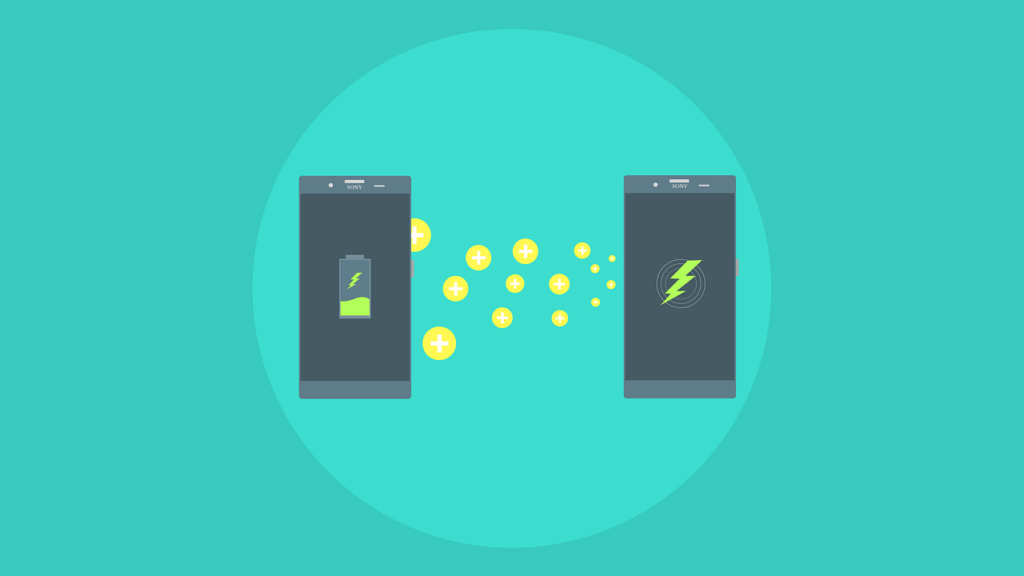
Wireless power transmission, also known as wireless energy transfer or wireless charging, is a groundbreaking technology that enables the transmission of electrical energy from a power source to an electrical device without the need for physical wires. This technology holds immense potential and could reshape our understanding of electricity and power distribution- Wireless Power Transfer System

Types of Wireless Power Transmission

There are several types of wireless power transmission technologies that are currently being explored:

1. Radio Frequency (RF) Energy Harvesting

RF energy harvesting involves capturing electromagnetic energy from radio frequency signals and converting it into electrical energy. This technology is particularly useful for low-power applications such as wireless sensors and IoT devices.

2. Inductive Power Transfer (IPT)

Wireless Power Transfer System

Inductive power transfer utilizes electromagnetic fields to transfer energy between two coils—an energizing coil in the power source and a receiving coil in the device. This technology is commonly used for wireless charging of devices like smartphones and electric vehicles.

3. Magnetic Resonance

Magnetic resonance-based wireless power transmission relies on the resonance between two magnetic coils to transfer energy wirelessly. This approach allows for greater spatial freedom and can transfer power over longer distances compared to other methods.

4. Microwave Power Transfer

Microwave power transfer utilizes microwave radiation to transmit energy wirelessly. It is primarily used for high-power applications, such as powering remote installations or beaming energy to space-based systems.

5. Laser Power Transmission

Laser power transmission involves converting electrical energy into laser beams and transmitting them to a photovoltaic receiver, which then converts the laser energy back into electrical energy. This technology shows promise for long-distance wireless power transmission.

Applications of Wireless Power Transmission

Wireless Power Transfer System


Wireless power transmission has numerous applications across various industries. Some notable examples include:

1. Consumer Electronics

Wireless charging technology is increasingly being integrated into smartphones, tablets, smartwatches, and other portable electronic devices. This allows for hassle-free charging and eliminates the need for multiple charging cables.

2. Healthcare

Wireless power transmission has the potential to revolutionize medical devices and implants. It can enable wirelessly powered implants, such as pacemakers, which eliminate the need for invasive surgeries to replace batteries.

3. Transportation

The adoption of wireless power transfer in the transportation sector can lead to electric vehicles that can be charged wirelessly, eliminating the need for physical charging stations and offering greater convenience to users.

4. Industrial Automation

Wireless power transmission can simplify the installation and maintenance of automated systems in industries. It enables the wireless powering of sensors, actuators, and other components, reducing the complexity of wiring and improving flexibility.

5. Space Exploration

Wireless power transmission has the potential to revolutionize space missions by enabling the wireless transfer of power to satellites, space stations, and even future lunar or Martian colonies. This technology can eliminate the need for complex wiring and power cables in space.

Challenges Facing Wireless Power Transmission

Despite the tremendous potential of wireless power transmission, there are several challenges that need to be addressed:

1. Efficiency

Efficiency is a crucial aspect of wireless power transmission. Ensuring high efficiency during energy conversion and transmission is essential to minimize energy loss and maximize the effectiveness of the technology.

2. Safety

Safety is paramount when it comes to wireless power transmission. It is important to mitigate any potential health risks associated with electromagnetic fields and ensure that the technology operates within safe limits.

3. Interference

Wireless power transmission systems must be designed to minimize interference with other electronic devices and systems. Interference can affect the performance of both the wireless power transmission system and other nearby devices.

4. Regulatory Concerns

Regulatory frameworks and standards need to be established to govern the deployment and usage of wireless power transmission systems. These regulations ensure compliance with safety guidelines and promote interoperability between different systems.

5. Cost

The cost of implementing wireless power transmission technologies is a significant consideration. For widespread adoption, the cost must be competitive with traditional wired power transmission systems and offer tangible benefits to justify the investment.

Current State of Wireless Power Transmission

Wireless Power Transfer System

The field of wireless power transmission is rapidly advancing, with several major players driving innovation and commercialization:

Major Players in Wireless Power Transmission

  • WiTricity: WiTricity is a leading company in the wireless power transfer market. They specialize in magnetic resonance-based technology and have developed solutions for various applications, including electric vehicle charging and consumer electronics.
  • Powercast: Powercast focuses on RF energy harvesting and long-range wireless power transmission. They provide solutions for wireless charging of low-power devices and have expertise in enabling wireless sensors and IoT applications.
  • Ossia: Ossia is known for their Cota wireless power technology, which uses radio frequency to transmit power to devices. They have developed solutions for wireless charging in various industries, including retail, automotive, and industrial automation.

Innovations and Breakthroughs

The field of wireless power transmission continues to witness numerous innovations and breakthroughs. These include advancements in efficiency, longer transmission distances, improved safety features, and the integration of wireless charging capabilities into a wider range of devices.

Commercialization of Wireless Power Transmission

Wireless power transmission is already being commercialized in certain applications, such as wireless charging pads for smartphones and electric vehicle charging stations. As the technology matures and addresses existing challenges, we can expect to see wider adoption and integration into various industries.

Future of Wireless Power Transmission

The future of wireless power transmission holds great promise and presents exciting opportunities:

Predictions and Trends

Predictions indicate a growing demand for wireless power transmission technologies in the coming years. As the technology becomes more efficient, safer, and cost-effective, we can expect to see increased adoption across industries and in everyday consumer devices.

Research and Development

Research and development efforts are ongoing to improve the efficiency, safety, and range of wireless power transmission technologies. Scientists and engineers are exploring new approaches, materials, and designs to overcome existing limitations and unlock the full potential of wireless power transmission.

Opportunities and Challenges

Wireless Power Transfer System

The future of wireless power transmission offers numerous opportunities for innovation and disruption. However, challenges remain, including addressing regulatory concerns, optimizing efficiency, and reducing costs. Overcoming these challenges will be essential for the widespread adoption and integration of wireless power transmission technologies.

In conclusion, wireless power transmission has the potential to revolutionize the way we distribute and utilize electricity. By eliminating the need for physical wires, it offers a more efficient, convenient, and cost-effective alternative to traditional wired power transmission systems. While there are challenges to overcome, ongoing research, innovation, and commercialization efforts are paving the way for a future where wireless power transmission plays a significant role in powering our devices, industries, and even space exploration.

Summary of Wireless Power Transmission

Wireless power transmission is a groundbreaking technology that enables the transfer of electrical energy without the use of physical wires. It offers various advantages over traditional wired power transmission systems, including increased convenience, flexibility, and cost-effectiveness. Despite challenges related to efficiency, safety, interference, regulations, and cost, the field of wireless power transmission is rapidly advancing. Major players such as WiTricity, Power cast, and Ossia are driving innovation and commercialization. The future of wireless power transmission looks promising, with growing demand, ongoing research, and opportunities for further development and integration across industries.

FAQs

Is Wireless Power Transfer System safe?

Yes, wireless power transmission is considered safe when used correctly. The technology utilizes low-power electromagnetic fields, which are generally safe for humans and other living organisms. However, it is important to follow safety guidelines, implement appropriate shielding and grounding, and adhere to regulatory standards to minimize potential risks.

How efficient is wireless power transmission?

The efficiency of wireless power transmission depends on the technology used and the distance between the transmitter and receiver. While wireless power transmission may be less efficient than traditional wired systems, advancements in technology have significantly improved efficiency, making it more competitive. Ongoing research and development aim to further enhance efficiency.

How far can wireless power be transmitted?

The distance over which wireless power can be transmitted varies based on the technology employed and the power requirements of the device being charged. Generally, wireless power can be transmitted over short distances of a few centimeters to several meters. However, certain technologies, such as microwave power transfer, allow for power transmission over longer distances.

How does Wireless Power Transfer System compare to traditional wired power transmission?

Wireless power transmission offers several advantages over traditional wired power transmission. It eliminates the need for physical wires, reducing clutter and simplifying installation. Wireless power transmission provides greater convenience, flexibility, and cost-effectiveness in various applications. However, wired power transmission systems are generally more efficient and capable of transmitting power over longer distances.

When will Wireless Power Transfer System become widely available?

Wireless power transmission is already available in certain applications, such as wireless charging for smartphones and other consumer electronics. The widespread availability of wireless power transmission depends on factors like cost, efficiency, safety, and regulatory considerations. Continued growth, innovation, and standardization efforts are expected to drive its wider adoption in the coming years, though the exact timeline may vary.

Filed Under: Electrical, Tech Blogs Tagged With: #CostEffectiveness, #ElectromagneticFields, #EnergyEfficiency, #Innovation, #PowerTransfer, #RegulatoryCompliance, #SafetyGuidelines, #TechnologyAdvancements, #WirelessCharging, #WirelessPowerTransmission, project for Electrical wireless power transfer system, WPT project for Electrical

Footer

Categories

Founder of ohmsite

kundan MIT

About us

Copyright © 2020 ohmsite.com